Nearly 150 businesspeople are racing for seats in the National Assembly and Peoples Councils
More than 150 businesspeople are racing for seats in the National Assembly and people’s councils

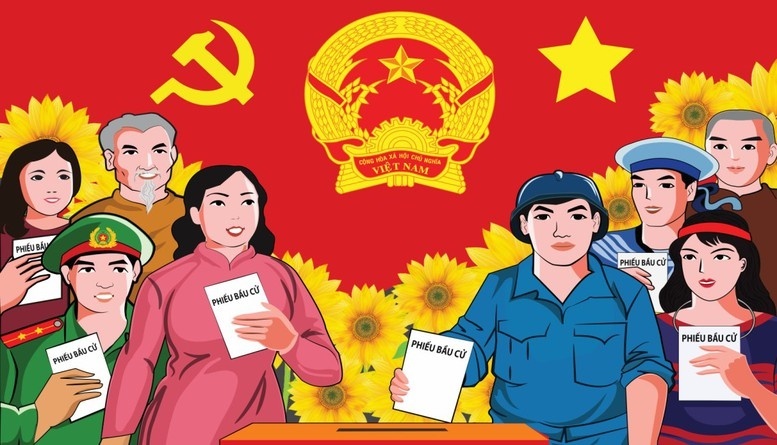
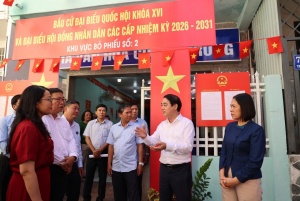
On March 15, elections will be held for the 16th National Assembly (NA) and people’s councils at all levels for the 2026-2031 term. Nationwide, 864 candidates are running for the NA and 4,234 for local people’s councils. Of these, 35 businesspeople are seeking NA seats, while 118 leaders of companies and business associations are standing for provincial and city people’s councils – together accounting for 3 per cent of all candidates.

The group of 153 individuals includes chairmen of Boards of Directors, general directors, deputy general directors of companies and bank branches, and leaders of business associations. They operate across a range of sectors, including finance, banking, technology, real estate, construction, energy, and agriculture.

Among them are Vietcombank chairman Nguyen Thanh Tung, Viettel chairman and CEO Tao Duc Thang, Vietnam Airlines CEO Le Hong Ha, VNG chairman Le Hong Minh, Golf Long Thanh CEO Le Nu Thuy Duong, TNG chairman Nguyen Van Thoi, and BCons CEO Duong Kim Quan.

Among candidates for the NA, the number of businesspeople running has increased by five compared to the previous term, reaching 35. Male entrepreneurs outnumber their female counterparts 23 to 12, with an average age of approximately 51.

Eight candidates come from state-owned or state-controlled enterprises, while the number of leaders from listed companies has doubled to six, including representatives from Vietnam Airlines, Becamex, Vietcombank, Vietnam National Petroleum Group, Dabaco, and Camimex.

For local people’s councils, 118 candidates are business leaders, with more than half being Party members. Each locality has one or several business figures standing for election.

Most of the businesspeople running for election are from the country’s economic powerhouses. Ho Chi Minh City has 11 candidates for the National Assembly, and Hanoi has two; for the people’s council, the number in these two cities is 17 and 11, respectively. The majority of these candidates hold key positions in state-owned economic groups and large private enterprises. Among them is Tao Duc Thang, CEO of Viettel, the only Central Committee member among the businesspeople running for the 16th National Assembly.

The increasing participation of entrepreneurs in elected bodies, at both the local and central levels, is expected to contribute to policymaking and oversight of enforcement significantly. Their voices in parliament can accurately reflect the desires of businesses and citizens, influencing changes and amendments to outdated policies.

Duong Kim Quan, general director of Bcons Construction Investment JSC, said, “The large participation of businesspeople in the National Assembly and people’s councils is a positive sign. They are directly involved in the economy, frequently facing issues related to investment, production, employment, and the lives of workers; they can propose practical policies that encourage a transparent, efficient, and sustainable investment environment.”

Finance Minister Nguyen Van Thang meets voters in Dien Bien ahead of NA elections Finance Minister Nguyen Van Thang meets voters in Dien Bien ahead of NA elections

Finance Minister Nguyen Van Thang and fellow National Assembly candidates met voters in Dien Bien to present their action programmes, pledging to support local development and better represent voter interests.

Hanoi police roll out comprehensive security for upcoming elections Hanoi police roll out comprehensive security for upcoming elections

Hanoi police have put in place comprehensive security measures for the upcoming elections for the National Assembly and people’s councils.

Truong Sa voters cast early ballots for NA, local council elections Truong Sa voters cast early ballots for NA, local council elections

Voters at 20 out of the 22 polling stations in Truong Sa (Spratly) special zone in the central province of Khanh Hoa cast their ballots on March 8 in early voting for deputies to the 16th National Assembly and People’s Councils at all levels for the 2026–2031 term, one week ahead of the nationwide election day on March 15.

Digital technology helps enhance transparency, trust in elections Digital technology helps enhance transparency, trust in elections

Ho Chi Minh City is taking the lead in applying digital technology to improve the quality and transparency of the electoral process.

Khanh Hoa gears up for elections, facilitates voting for tourists Khanh Hoa gears up for elections, facilitates voting for tourists

Preparations for the elections of deputies to the 16th National Assembly and People’s Councils at all levels for the 2026–2031 term are in full swing across the central province of Khanh Hoa, as residents look ahead to polling day on March 15.

Domestic fundamentals hold firm as markets reprice global risk

According to Dragon Capital, February’s data suggests Vietnam’s growth momentum remains intact despite seasonal distortions around the Lunar New Year. Industrial activity and business sentiment continued to strengthen, while inflation remains contained, preserving policy flexibility. However, global markets, including Vietnam, have since experienced a sharp increase in volatility following the escalation of the Iran conflict in early March, shifting near-term investor sentiment even as Vietnam’s underlying macro trajectory remains on track.

Industrial activity remained a key pillar of growth. The Index of Industrial Production (IIP) rose 1 per cent on-year in February, bringing year-to-date (YTD) growth to 10.4 per cent on-year, led by manufacturing and processing at 11.5 per cent.

Business sentiment also strengthened, with the Purchasing Managers’ Index rising to 54.5 and business confidence reaching a 41-month-high, signalling that firms are seeing sustained demand and may be preparing for further expansion. Inflation remained well contained, with the consumer price index averaging 2.9 per cent on-year for the first two months, preserving policy flexibility and supporting stable financial conditions.

Domestic demand also remained firm. Retail sales and services revenue increased 7.9 per cent on-year in the first two months, with February alone rising 8.5 per cent on-year. Seasonal spending during the Lunar New Year holiday supported activity in apparel, accommodation, food services, and travel, underpinning the continued recovery of services and steady household consumption.

Investment and external activity continued to support growth. Total trade turnover reached $155.7 billion YTD, up 22.2 per cent on-year, with exports rising 18.3 per cent on-year to $76.36 billion. Import demand also remained firm, reflecting continued purchases of intermediate goods and production inputs as industrial activity expanded, which suggests manufacturers remain confident in near-term order flow.

Realised foreign direct investment disbursement reached $3.21 billion YTD, up 8.8 per cent on-year, with manufacturing continuing to attract the majority of foreign capital. Fiscal dynamics remained supportive, with state budget revenue reaching approximately $22.9 billion in the first two months of 2026, up 13.1 per cent on-year, helping preserve room for continued growth supportive spending.

Equity markets were relatively stable during the shorter trading month. With only 15 trading sessions due to the holidays, the VN-Index recorded a gain of 2.4 per cent on-month in USD terms. Liquidity eased slightly to $1.2 billion around the holiday period but remained healthy relative to historical averages, supported primarily by domestic participation.

Foreign investor activity was mixed, although intermittent net-buying sessions continued to appear. Investor attention remained focused on companies linked to industrial expansion and structural policy themes, while state-owned enterprises continued to attract interest following the government’s reform agenda under Resolution 79. That pattern suggests investors are still rewarding areas of the market most closely tied to cyclical recovery and policy execution.

Dragon Capital noted that February’s data reinforces the resilience and breadth of Vietnam’s growth trajectory. Manufacturing remains the anchor of expansion, while services activity, consumption, and investment flows continue to strengthen.

If industrial momentum persists and inflation remains contained, policy conditions should remain supportive, allowing the equity market’s focus to shift increasingly towards earnings delivery and the gradual return of foreign investor participation. That said, the escalation of tensions in the Middle East introduces external risks and potential volatility, particularly through energy prices, global risk sentiment, and FX pressures.

Middle East tensions set to test VN-Index, boost energy stocks Middle East tensions set to test VN-Index, boost energy stocks

Escalating Middle East tensions are rattling global energy markets, but analysts say several stock groups could outperform even as broader indices face short-term volatility.

US-Iran conflict affecting asset prices US-Iran conflict affecting asset prices

In light of the US – Iran conflict, gold and the US dollar are emerging as short-term safe havens, while cryptocurrencies and stocks are seen as carrying higher risk, according to securities firm VnDirect.

Iran war to modestly impact Vietnam Iran war to modestly impact Vietnam

The US-Iran war is expected to have a modest impact on Vietnam, but a sharp rise in global oil prices could lift inflation and weigh on growth if tensions persist, according to VinaCapital.

Over 64,000 businesses enter market in first two months

In February alone, 11,300 new businesses were registered nationwide, down 53.2 per cent from the previous month but up 11.6 per cent compared with the same period last year. Nearly 6,200 companies resumed operations, down 74.9 per cent on-month and 12.6 per cent on-year.

Meanwhile, 4,257 enterprises registered temporary suspension of operations for a fixed period, down 92.2 per cent from the previous month but up 19.8 per cent on-year. Another 3,492 companies suspended operations while awaiting dissolution procedures, decreasing 52.2 per cent on-month but increasing 17.5 per cent on-year. A further 3,290 enterprises completed dissolution procedures, down 28.6 per cent from January but surging 89.4 per cent compared with February last year.

Overall, during the first two months of 2026, about 32,200 businesses entered or re-entered the market each month.

The surge suggests a strong wave of business formation at the start of the year, reflecting the positive impact of policies aimed at encouraging the development of the private sector.

By locality, Vietnam’s three major economic hubs, Ho Chi Minh City, Hanoi and Dong Nai, continued to pull in the largest number of newly established businesses. Among them, Dong Nai stood out with an 82.3 per cent increase, highlighting the growing appeal of satellite industrial provinces.

However, the number of businesses exiting the market also reached 77,000, up 14.9 per cent on-year, equivalent to an average of 38,500 enterprises leaving the market each month.

At the same time, total additional registered capital injected into the economy during the first two months of 2026 reached nearly VND852 trillion ($34 billion), representing a 20.1 per cent increase compared with the same period in 2025.

A closer look suggests that the situation is not entirely negative. In fact, 75.9 per cent of businesses exiting the market chose temporary suspension rather than permanent closure, indicating that many companies are pausing operations to restructure and search for new opportunities rather than withdrawing entirely.

This pattern is also cyclical: businesses often reassess performance at the end of the previous year and register temporary suspension at the start of the new financial year. Most of the companies leaving the market are small-scale enterprises, reflecting the market’s natural process of selection and consolidation.

Vietnamese businesses diversify amid global trade shifts Vietnamese businesses diversify amid global trade shifts

Domestic companies are increasing diversification across Southeast Asia while expanding into Latin America and other global markets, unlocking new growth opportunities amid a changing global trade landscape.

Food safety law issues addressed Food safety law issues addressed

Vietnam is striving to solve issues in implementing Decree No. 46/2026/ND-CP, guiding the Law on Food Safety.

Businesses bouncing back after turbulent year Businesses bouncing back after turbulent year

After weathering a turbulent 2025, businesses across the board are entering 2026 with restored profitability, ambitious growth targets and strategic expansions, positioning themselves for a new five-year development cycle.

Against this backdrop, many transport companies are reassessing their vehicle investment strategies, focusing on reducing operating costs and stabilising business performance. They will invariably choose the vehicle brand that offers the best quality, most affordable price, and most fuel efficiency.

Kim Long Motor pioneering fuel-efficient engines and green transition
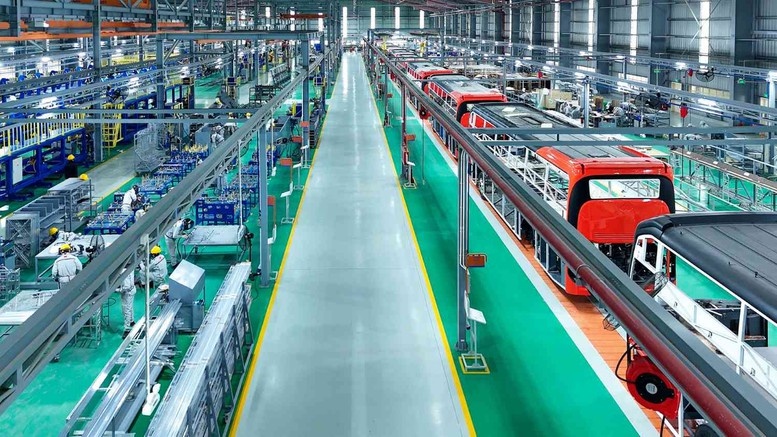
Kim Long Motor’s bus production and assembly line

Among new options, electric buses, particularly interprovincial sleeper buses, are emerging as the best alternative.

Fuel costs: a major challenge for transport companies

Fuel accounts for a large share of operating costs for passenger transport companies. For long-distance North-South or inter-regional routes, a sleeper bus typically operates at high intensity, averaging about 800 km per day.

For diesel-powered vehicles, fuel consumption is commonly around 24 litres per 100 km. With diesel priced at roughly VND30,830 ($1.19) per litre, the fuel cost is about 28 US cents per km.

As a result, fuel expenses alone can reach nearly $231 per day for a bus travelling 800 km. In light of sustained high oil prices due to geopolitical tensions and the global energy market, fuel expenses can rise sharply, placing significant pressure on transportation companies’ business efficiency.

More companies have paid attention to new vehicle solutions with more stable and cost-efficient operating expenses.

Kim Long Motor pioneering fuel-efficient engines and green transition
Kim Long Motor is realising its dream of bringing Vietnamese-branded cars with a localisation rate of at least 70-80 per cent to international markets.

Electric buses and operating cost advantage

Electric sleeper bus models developed by Kim Long Motor are capturing attention. According to technical specifications, this company’s 34-seat electric sleeper bus is equipped with battery pack capacity reaching 357 kWh.

The bus can travel approximately 401 km with a 90 per cent charge. Its average power consumption is as low as 0.8 kWh per km. With electricity prices around 6.23 US cents per kWh, the energy cost is as low as 4.98 US cents per km.

Electric buses could save about 23.5 US cents per km compared with diesel vehicles, which cost around 28.5 US cents per km. If a bus runs 800 km per day, the energy cost savings could reach nearly $189 daily. Over six years of operation, the total savings from avoiding diesel fuel could surpass $408,000 per vehicle.

This figure is significantly higher than the difference in initial investment costs between electric vehicles (EVs) at $204,000) per vehicle and diesel vehicles at $142,000 per vehicle. Still, it demonstrates the long-term economic advantages of EVs in long-distance transport.

Apart from energy costs, EVs also have clear advantages in maintenance. Unlike internal combustion engines with complex mechanical structures, electric motors have fewer moving parts and do not require fuel systems or exhaust treatment systems. This significantly reduces maintenance costs over the vehicle’s lifetime. According to estimates from many transportation companies, the maintenance cost is only about 5 per cent of the EV’s value, while the figure for diesel-powered vehicles can be as high as 20 per cent. This difference also contributes to reducing operating costs for businesses in the long term.

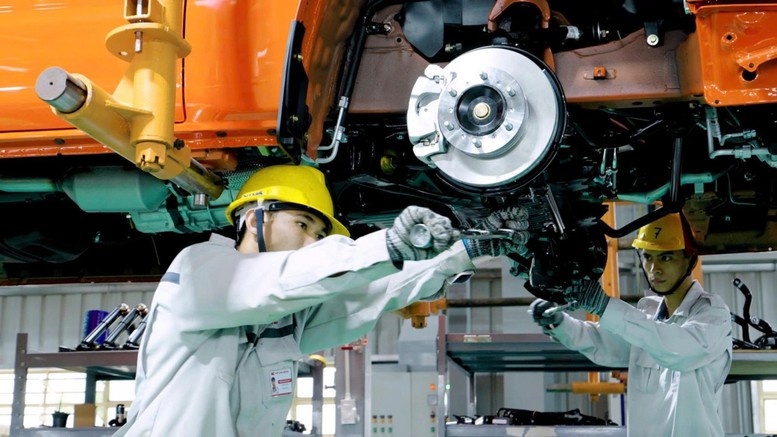
Kim Long Motor is developing next-generation electric buses and passenger vehicles to serve rising demand. The company is investing in a large-scale car manufacturing and assembly industrial park in Hue with many component factories and supporting facilities. One of the notable initiatives is the motor engine manufacturing plant by Kim Long Motor in collaboration with Yuchai Group, one of the world’s largest engine manufacturers.

The Yuchai motor engine manufacturing plant in Hue has a total investment of around $260 million. With an automation rate of up to 90 per cent, the plant adopts many advanced manufacturing technologies.

In its initial phase, the plant has a capacity of more than 40,000 engines annually, serving commercial vehicles such as buses, trucks, and various industrial equipment. Mastering engine manufacturing technology marks an important step of Kim Long Motor’s journey, contributing to increasing localisation rates and strengthening the domestic car industry.

Yuchai engines: a fuel-saving solution

With the rollout of thousands of vehicles after one year, customers have widely recognized Kim Long Motor as the most fuel-efficient vehicle brand in Vietnam when compared with other vehicles in the same segment. Kim Long Motor is stepping up its production for domestic and export markets.

Kim Long Motor’s passenger buses are equipped with Yuchai S07 and Yuchai K11 engines, manufactured in Vietnam according to the technical standards of Yuchai Group.

In particular, the Yuchai K11 engine delivers up to 410 horsepower. It is designed for high-end sleeper buses, ensuring strong and stable performance on long-distance routes.

According to the company, these engines can help save approximately 4-7 litres of fuel per 100 km compared to many engines in the same segment from other manufacturers. With an operating intensity of about 800 km per day, the savings reach about 32-56 litres of fuel per day, equivalent to $37 – $65 per vehicle per day.

Over a year of operation, the total savings could reach $13,500 – $23,800, significantly improving transport companies’ business efficiency.

Kim Long Motor pioneering fuel-efficient engines and green transition
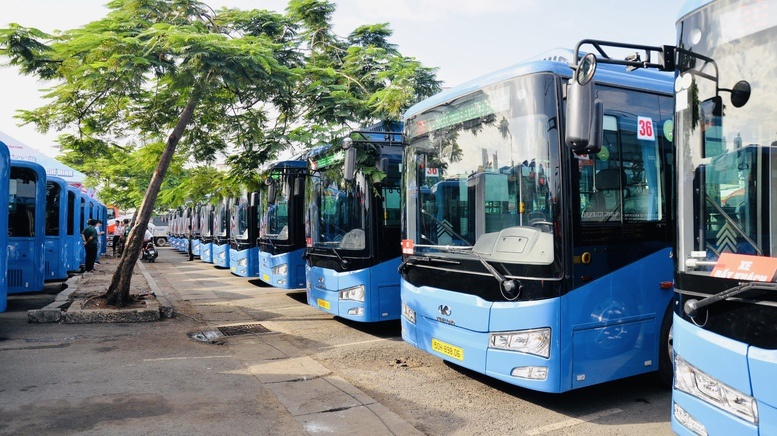
Kim Long Motor electric buses serving passengers in Ho Chi Minh City

The shift towards environmentally friendly vehicles is accelerating worldwide. In passenger transport, many countries are encouraging the replacement of fossil-fuel vehicles with EVs to reduce emissions and improve energy efficiency.

In Vietnam, this trend is also gradually taking shape, particularly in the bus and passenger transport sectors. Domestic companies such as Kim Long Motor are investing heavily in research and production of EVs while building a complete manufacturing ecosystem – from engines and components to batteries and powertrain systems – with the goal of achieving over 90 per cent localisation in the near future at highly competitive prices for the domestic market.

Looking ahead, as battery technology continues to improve and charging infrastructure expands, EVs are expected to become an increasingly common choice for the transport industry.

For many transport companies, the shift to EVs is not only a technological upgrade but also a long-term economic decision amid increasingly volatile energy costs.

Vietnam masters core technologies of automobile value chain Vietnam masters core technologies of automobile value chain

Vietnam is moving beyond assembly to mastering core technologies following the inauguration of Kim Long Engine Manufacturing and Assembly Plant at Chan May-Lang Co Economic Zone in Hue on December 5. Nguyen Si Dung, former Vice Chairman of the National Assembly Office, provided insights into the potential impact of the facility to advance Vietnam’s industries.

Kim Long Motor and BYD Battery start electric vehicle battery plant in Hue Kim Long Motor and BYD Battery start electric vehicle battery plant in Hue

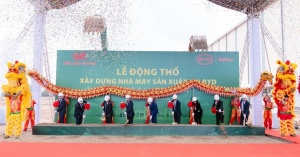
On January 27, Kim Long Motor, in collaboration with BYD Battery, held the groundbreaking ceremony for the BYD battery manufacturing plant at Kim Long’s manufacturing and assembly industrial park, with a total investment of $130 million.

Kim Long Motor and AOJ Suzhou enter strategic partnership Kim Long Motor and AOJ Suzhou enter strategic partnership

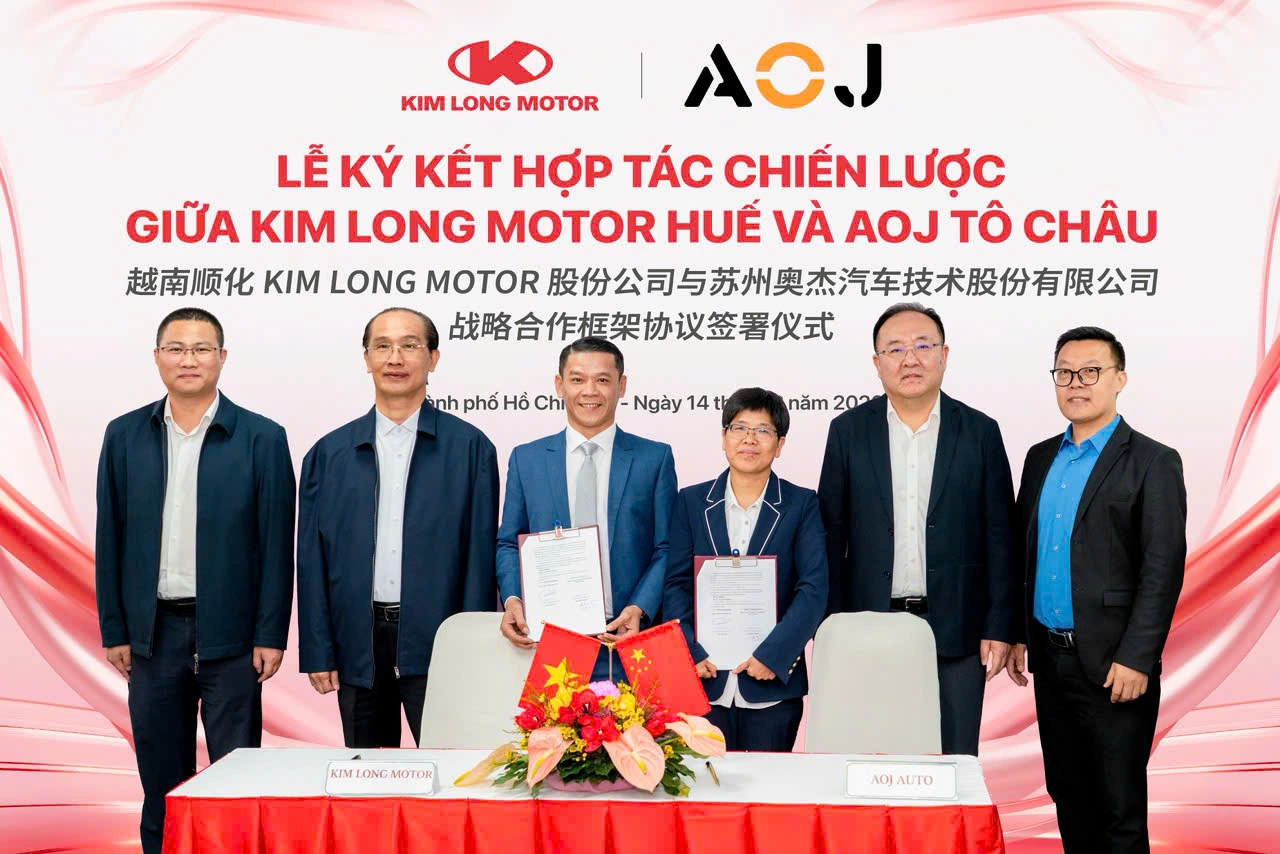
Kim Long Motor and AOJ Suzhou signed a strategic cooperation agreement in Ho Chi Minh City on February 14.

PV Gas reduces LPG deliveries amid Middle East conflict disruptions

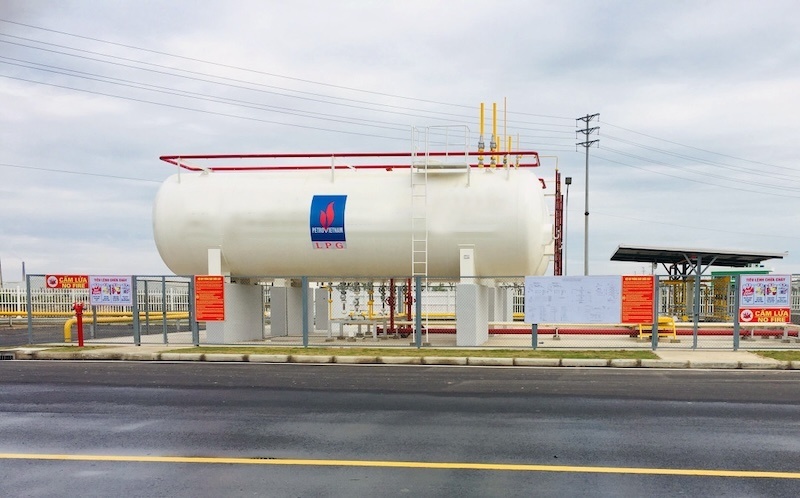
LPG storage tanks supplying customers

On March 2, PVGas Trading – the trading arm of Vietnam Gas Corporation (PV Gas) issued an urgent force majeure notice to its customers in southern Vietnam, citing two primary causes behind the disruption.

The first stems from an official force majeure declaration by the company’s international supplier following the collapse of a loading bridge at the NGL Juaymah facility on February 23. The incident has disrupted contracted shipments of propane and butane.

As a result, all LPG cargoes scheduled to arrive at the Thi Vai and Diem Dien refrigerated terminals from March 10 have been postponed.

The second factor relates to escalating armed conflict in the Middle East, which has affected the transit of refrigerated LPG vessels through the Strait of Hormuz. As of 3 p.m. on March 2, 2026, at least two very large crude carriers had reportedly been struck by missiles while passing through the strategic waterway. In addition, several NGL/LPG production facilities operated by suppliers in the region have come under attack and sustained significant damage.

For safety reasons, all very large gas carriers transporting refrigerated LPG from the Middle East under delivery commitments scheduled from the second half of March through the end of April 2026 currently have no confirmed delivery plans to PV Gas Trading.

Given these force majeure circumstances, PV Gas Trading said it would adjust its imported LPG delivery schedule through March 10, 2026, and is currently unable to arrange imported supply for customers beyond that date.

The company stressed that the situation was beyond its control.

PV Gas Trading is working with partners to secure alternative supply sources at the earliest possible time. However, it is facing significant challenges as the broader East Asian market is experiencing tight supply conditions. Some countries, including Thailand, have reportedly activated emergency measures, including temporary bans on fuel exports.

In the interim, the company has urged customers to adjust their consumption plans or seek alternative supply sources while awaiting feasible solutions.

Honda Vietnam marks 30-year milestone

Speaking at the ceremony, Sayaka Arai, general director of Honda Vietnam, expressed her appreciation of government authorities, partners, customers, and employees who have supported the company’s journey over the past three decades.

“Today marks a meaningful milestone, and I would like to express our sincere gratitude to the government of Vietnam, local authorities, our valued dealers, suppliers, media agencies, customers, and associates who have accompanied us throughout three decades,” Arai said. “Your trust and support have been the driving force behind our growth.”

Established in 1996, Honda Vietnam has invested approximately $627 million in the Vietnamese market. Over the past three decades, the company has grown into a comprehensive mobility provider with more than 10,000 employees, while creating jobs across its supporting industries, nationwide dealer network, and supply chain.

According to Arai, Honda Vietnam has steadily strengthened its production capacity, expanded its nationwide distribution network, and increased exports to international markets, contributing to the development of Vietnam’s automotive and motorcycle industries as well as the broader economy.

Honda Vietnam has delivered more than 40 million motorcycles to customers across the country over the past 30 years, making it one of the most trusted mobility brands in Vietnam. The company currently operates three motorcycle manufacturing plants with a combined annual production capacity of 2.75 million units, with localisation rates exceeding 96 per cent.

Honda’s motorcycle portfolio in Vietnam has expanded to cover a wide range of segments, from cub and scooter models to manual transmission motorcycles and EVs. The company has also introduced advanced technologies such as anti-lock braking systems, smart keys, the fuel-efficient eSP+ four-valve engine, and Honda RoadSync connectivity to enhance safety and convenience.

As part of its green mobility strategy, Honda Vietnam has introduced several electric motorcycle models. From 2026, Honda motorcycles sold in Vietnam are expected to comply with Euro 4 emission standards, supporting the transition to environmentally friendly mobility.

Honda Vietnam marks 30-year milestone

To mark the company’s 30th anniversary, Honda Vietnam also launched a special edition of the Air Blade 125 in collaboration with MARVEL. Inspired by the iconic characters Spider-Man and Venom, the limited edition—restricted to 4,000 units nationwide—combines distinctive design elements with the model’s well-known performance.

In addition to its motorcycle business, Honda Vietnam has steadily expanded its presence in the car market since entering the segment in 2006. The company’s car factory in Vietnam currently operates with a production capacity of 35,000 units per year.

Key models such as the CR-V and City are assembled locally, delivering Honda’s core values of sporty design, fuel-efficient performance, advanced technologies, and high safety standards.

In line with Honda Motor’s global electrification strategy, Honda Vietnam has expanded its hybrid vehicle lineup. Notably, the CR-V e:HEV became the first hybrid vehicle assembled in Vietnam in 2026, marking a significant milestone in the company’s sustainable mobility journey.

Advanced technologies such as the Honda Sensing driver-assistance system, the Honda Hybrid system, and Honda Connect digital services have also been integrated into Honda vehicles to enhance safety, connectivity, and convenience for drivers.

Looking ahead, Honda Vietnam aims to strengthen its core products by improving quality, efficiency, and environmental performance across its technologies, while advancing electrification through electric motorcycles and hybrid vehicles.

“Guided by this balanced and responsible approach and strengthened by our close partnership with the government and relevant stakeholders, we will contribute to Vietnam’s sustainable development goals while delivering reliable mobility solutions aligned with the country’s development pathway and market conditions,” Arai said

Beyond its business operations, Honda Vietnam continues to promote social initiatives, particularly in road safety education and environmental protection.

Each year, the company collaborates with government authorities and partners to provide traffic safety training to more than 27 million people across different age groups. Since 2018, Honda Vietnam has also worked with authorities to donate helmets and provide safety training for all first-grade students nationwide, with more than 12 million helmets distributed so far.

In 2025, the company cooperated with the Traffic Police Division to pilot moped training programmes for more than 8,700 high school students and nearly 2,000 traffic police officers. These instructors are expected to expand the programme to more than 3.1 million students nationwide.

As part of its 30th anniversary initiatives, Honda Vietnam also donated 408 ICON e: electric motorcycles to high schools across the country to support standardised training vehicles for traffic safety education.

Looking forward, Honda Vietnam said it would continue placing customers at the centre of its strategy while contributing to Vietnam’s sustainable development.

“We aspire to create lasting value for our customers and for Vietnam,” Arai said, adding that the company hopes to continue receiving support and cooperation from partners and stakeholders in the years ahead.

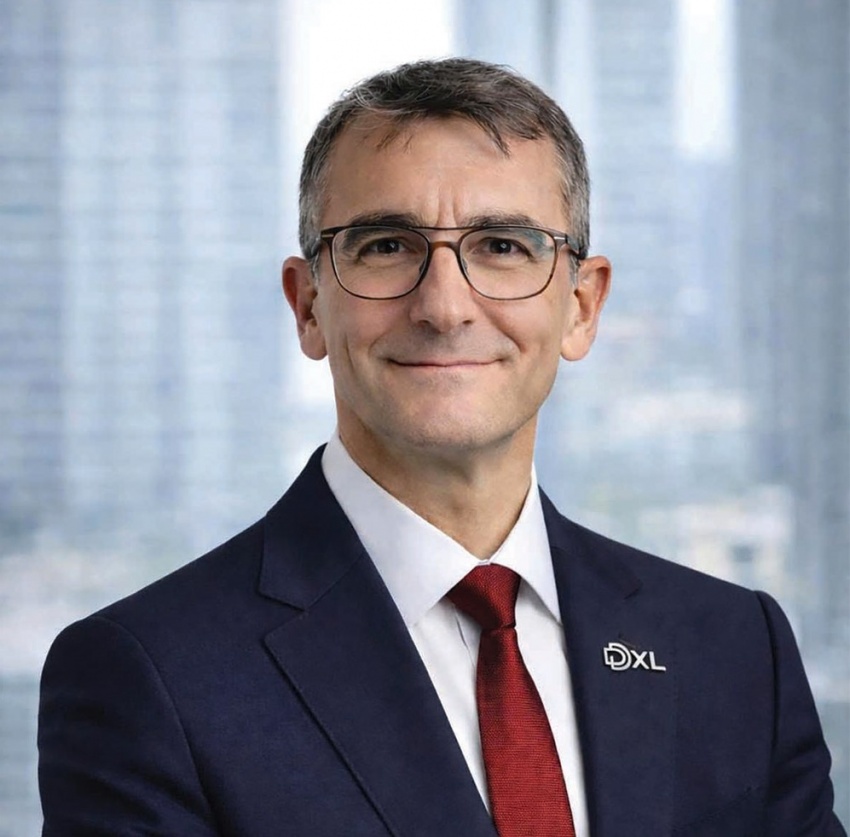
Xavier Depouilly, general manager DXL Research & Consulting

The key question shall no longer be how fast Vietnam can grow, but how well that growth can be sustained and shared across businesses, sectors, and the population.

Business sentiment provides an early indication of economic direction. The Business Confidence Index (BCI), conducted by DXL Research for the European Chamber of Commerce in Vietnam, reached 80 points in Q4/2025, returning to pre-pandemic levels.

Around 65 per cent of companies described their current business situation as “good” or “very good”, while 69 per cent expressed a positive outlook for the first quarter of 2026.

Confidence is especially strong among larger companies. Firms with more than 500 employees report even higher optimism, which is significant as these businesses typically invest with a long-term horizon. Their activity supports local suppliers, service providers, and employment, helping strengthen the broader domestic market, including small and medium-sized enterprises.

Meanwhile, tourism was a major contributor to Vietnam’s economic momentum in 2025. Official figures show that more than 21 million international visitors arrived last year, the highest number ever recorded. This recovery supported growth across multiple sectors, including retail, transport, hospitality, and entertainment.

Beyond the main urban centres, tourism has also driven growth in central Vietnam, particularly in Danang and nearby provinces. At the same time, rising incomes are encouraging Vietnamese households to spend more on travel, leisure, and services. This shift towards experience-based consumption is expected to continue in 2026, helping balance the economy and support local businesses.

For many companies, the focus has clearly moved beyond recovery from the pandemic era. BCI survey results show that half of businesses now prioritise business development and diversification, rather than cost reduction. This signals a healthier phase of growth, as firms actively seek new customers, products, and opportunities within Vietnam and in the region.

As we look towards 2026, the roadmap is clear. The World Bank projects growth to moderate slightly to a sustainable 6.3 per cent before accelerating again in 2027, allowing the economy to digest recent gains and focus on efficiency. This growth rate remains strong by international standards and reflects a more stable and sustainable pace.

Elsewhere, technology adoption is becoming increasingly visible across the economy. Around 40 per cent of businesses plan to expand their use of digital tools, automation, or AI. This trend is not limited to large corporations. DXL’s latest consumer research, conducted in December among 900 respondents across four major cities, shows that nearly one in five urban residents already use AI-based tools regularly, mainly for work productivity and information search.

Over time, higher productivity supports wage growth and more sophisticated consumer demand. This creates opportunities not only for technology firms, but also for retailers, service providers, and local brands that can adapt to digital expectations.

Despite these positive signs, 2026 will not be without risks. Vietnam remains exposed to global shocks, including changes in trade patterns and geopolitical tensions. Climate-related risks and supply chain disruptions also remain relevant, as experienced in recent years.

At the same time, internal reforms and administrative adjustments continue to reshape the business environment. These changes are necessary, but they require companies to stay informed and adaptable. Ensuring that growth benefits small businesses, workers, and households will be an important part of building sustainable, inclusive growth.

Vietnam’s outlook for 2026 is encouraging. The foundations for growth are strong, supported by confident businesses, recovering tourism, and evolving domestic demand. The next phase will depend on adaptability, inclusion, and the capacity to manage new external shocks.

For investors and companies, the opportunity is no longer only about producing and exporting from Vietnam, but about growing together with a domestic market that is becoming more digital, more sophisticated, and more demanding.

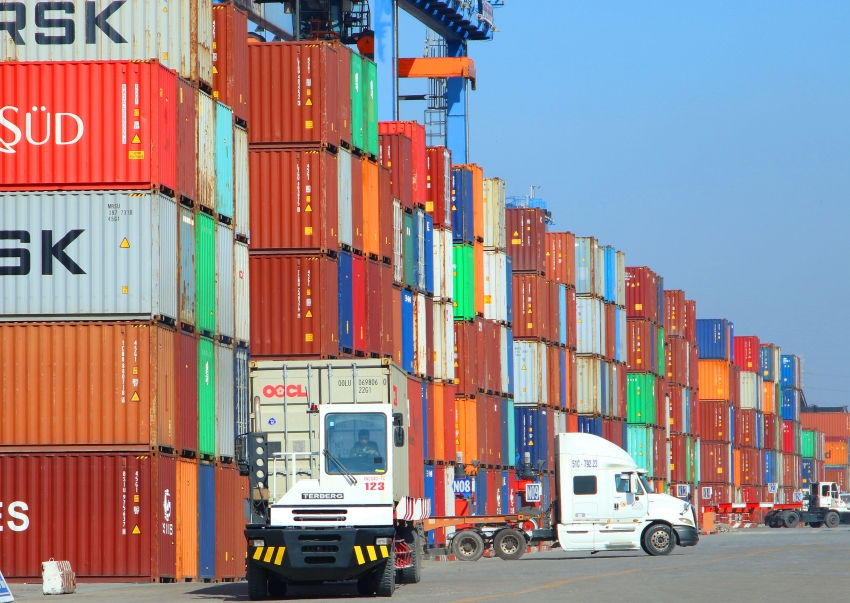
P5 bài Economy – xuất khẩu hàng hóa ở cảng
Authorities issued a cautionary notice to help export-import and logistics businesses stay prepared amid evolving global developments. Photo: Le Toan

Official Dispatch No. 229/XNK-TLH, dated March 1, 2026, states that on February 28 marked a serious escalation of tensions in the Middle East and created “serious instability” and posed high risks to transportation activities, international trade and global supply chains.

The agency warned that prices of consumer goods, fuel, and global oil are forecast to rise, generating “indirect and multi-dimensional negative impacts” on Vietnam’s production and export-import activities, as well as on trade with the Middle East.

For logistics services, rising fuel costs are expected to push up sea freight and air cargo rates, particularly on routes connecting Vietnam with countries in the region.

According to the dispatch, several Middle Eastern countries have restricted or closed their airspace due to security concerns, forcing passenger and cargo flights to reroute, prolonging flight times and increasing logistics costs.

Maritime transport has also been significantly affected, as shipping through the Strait of Hormuz has nearly stalled following airstrikes. Iran has warned that passage through the strait is currently unsafe, compelling shipping lines to avoid the area or alter routes, thereby extending transit times and raising fuel expenses.

“Before the above situation, the Agency of Foreign Trade requests export-import industry associations and logistics associations to closely monitor developments,” it said.

Associations are asked to regularly coordinate with relevant state management authorities to provide updates to member enterprises, enabling them to adjust production plans, export-import arrangements, and transport operations.

The agency emphasised the need to “avoid disruptions and minimise negative impacts” from the conflict, while improving flexibility and resilience against fluctuations in the international business environment.

In addition, associations and enterprises are urged to “regularly and proactively analyse and coordinate information” with ministries and relevant agencies regarding trade data, domestic policy changes affecting business operations, cargo flows, freight rates, and surcharges, to prepare appropriate response scenarios for similar situations in the future.

They are also advised to develop preventive and adaptive plans to mitigate risks, losses, and disruptions in international trade and transport activities, and to prepare timely response measures to limit impacts on supply chains.

The dispatch further encourages frequent engagement with relevant MoIT units, including trade promotion and overseas trade offices, to identify new orders and potential markets, thereby formulating alternative or prioritised exploitation plans to “maximise opportunities”.

The agency said that close coordination among associations, enterprises, and authorities would be essential to strengthening resilience and safeguarding Vietnam’s export-import activities amid growing geopolitical uncertainty.

Vietnam making the leap into AI and semiconductors
Csaba Bundik, CEO, CETA Consulting

Crucially, Vietnam’s approach does not seek to compete directly with established global technology leaders in frontier research or advanced chip design. Instead, policymakers and investors recognise that the country’s comparative advantage lies in selective positioning within the AI and semiconductor value chains. In these segments, operational execution, manufacturing discipline, and scalability tend to matter more than being at the technological frontier.

This positioning builds on Vietnam’s existing strengths. The country already benefits from a well-established industrial base in electronics manufacturing and high-tech foreign funding. Global firms have developed large-scale production platforms in Vietnam, creating a dense ecosystem of suppliers, skilled labour, and logistics infrastructure. These capabilities provide a practical foundation for semiconductor-related activities such as assembly, testing, packaging, and advanced electronics manufacturing.

Human capital further reinforces this foundation. Vietnam has steadily expanded its pool of engineers and technology graduates, enabling the development of applied AI solutions, industrial automation, and embedded systems. These technologies are closely aligned with the needs of the real economy, delivering productivity gains across manufacturing, logistics, healthcare, energy management, and public services.

However, the limited availability of senior developers and systems architects with experience in complex, state-of-the-art solutions at scale remains a constraint that will need to be addressed to sustain momentum.

Investor interest is also shaped by Vietnam’s wider external positioning. Political stability, deep integration within ASEAN, and an extensive network of free trade agreements reduce geopolitical and trade-related risks at a time of global supply chain reconfiguration. Reinforced by Vietnam’s “bamboo diplomacy”, these factors support its role as a reliable and politically neutral base for technology manufacturing and deployment. For European backers in particular, this risk profile increasingly supports long-term engagement rather than purely cost-driven decisions.

Such long-term commitments place a premium on policy stability. For deep-tech and semiconductor projects, regulatory predictability consistently outweighs short-term fiscal incentives. Large-scale AI infrastructure and semiconductor investments involve high capital intensity and extended payback periods, making them especially sensitive to regulatory risk.

Vietnam can reinforce confidence by establishing clear and transparent pathways for nationally important technology projects, including streamlined licensing, predictable land-use arrangements, and more effective coordination between central and local authorities.

Within this policy environment, targeted incentives tend to deliver stronger results than broad-based support schemes. Priority areas include semiconductor packaging, testing, and supporting industries; AI computing infrastructure and data centres; and industrial and applied AI solutions aligned with Vietnam’s manufacturing and services base. These segments offer the greatest potential for scale, technology spillovers, and productivity gains while remaining consistent with existing capabilities.

As investment scales up, infrastructure constraints become more visible. Energy reliability has emerged as a decisive factor in technology funding decisions. AI infrastructure and data centres are highly energy-intensive and sensitive to power disruptions, making grid stability, energy availability, and renewable integration strategic enablers of Vietnam’s technology ambitions. Investors increasingly view energy policy as an integral component of the AI and semiconductor funding environment, rather than a separate consideration.

Regulatory credibility also extends beyond energy and investment licensing. Closer alignment with international standards on intellectual property protection, data governance, and AI ethics would further strengthen Vietnam’s standing with global technology corporations. European companies, in particular, operate under strict compliance frameworks and require confidence that intellectual property rights and data security will be enforced in practice. Strengthening implementation capacity, rather than relying solely on formal legal provisions, remains a key priority.

Financing represents another structural constraint. AI infrastructure, data centres, and semiconductor-related projects typically require substantial upfront investment and long payback periods that cannot be fully met through traditional bank lending alone. Vietnam has scope to combine state leadership, market mechanisms, and international capital into a balanced model suited to deep-tech development.

A practical financing framework could include long-term institutional capital and project finance for AI infrastructure and data centres; growth equity and venture capital to scale AI-enabled industrial technologies; and public–private co-funding mechanisms to reduce early-stage risk and crowd in private capital. Targeted tax incentives for technology companies, venture capital funds, and angel investors can further support ecosystem development. The central objective is to mobilise patient capital that supports long-term capability building rather than short-term returns.

Experience from Europe highlights the importance of ecosystem design. Successful innovation systems connect research, scale-up, manufacturing, and market access rather than treating them as isolated stages. Mission-driven innovation drives help align public funding with clear national and industrial priorities, ensuring that technological development addresses concrete economic needs.

Vietnam can accelerate the development of its AI and semiconductor ecosystem by strengthening university–industry collaboration, promoting cross-border research and development partnerships that facilitate knowledge transfer, and developing technology clusters linked to existing manufacturing and logistics strengths. Encouraging technology owners to establish regional or Asian headquarters in Vietnam would further enhance technology diffusion and managerial spillovers.

International cooperation should extend beyond technology transfer to include human capital development, institutional learning, and long-term competitiveness. Fast-track immigration and work permit procedures for highly skilled technology professionals and venture capital experts, alongside stronger enforcement of intellectual property protection, would help sustain confidence.

Looking back at 2025, how would you assess the journey the finance sector has gone through?

In 2025, despite numerous challenges, under the sound leadership of Party General Secretary To Lam, the Politburo, the Party Central Committee, and the National Assembly, and also under the drastic direction of the government and the prime minister, our country has reaped comprehensive outcomes across all sectors.
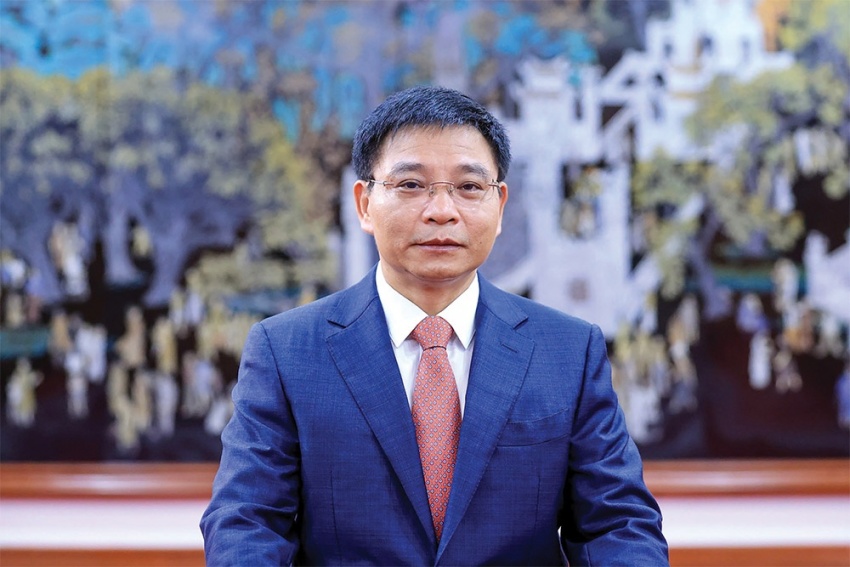
Entire financial sector steps firmly into a new spring
Minister of Finance Nguyen Van Thang

Within this overall success, the financial sector made important contributions with many notable achievements.

The entire sector upheld solidarity, responsibility, and creativity, ensuring the smooth operation of the newly reorganised apparatus while fully delivering on tasks related to state finance and budget management, investment, and socioeconomic development.

Requirements were increasingly demanding, while the organisational structure was undergoing consolidation and streamlining. In response, the Ministry of Finance (MoF) thoroughly implemented the principles of discipline, accountability, efficiency, and acceleration, rolling out tasks in a coordinated manner across all areas.

The ministry advised the Politburo on issuing a resolution on private sector development; submitted 28 laws and resolutions for approval; proposed 86 decrees and resolutions to the government; and issued 144 circulars, accounting for around one-quarter of all legal normative documents approved nationwide during the year.

These regulations not only addressed economic obstructions but also established legal frameworks for emerging and complex areas such as science and technology development, innovation, and digital transformation; the establishment of an international financial centre; and the formation of new financial markets and products, including digital assets.

Fiscal policy was managed in a targeted expansionary manner, closely and effectively coordinated with monetary and other macroeconomic policies to stabilise the macroeconomy, control inflation, safeguard major economic balances, and lay a solid foundation for growth.

Administrative reform continued to accelerate, with public services modernised to improve the business and investment climate and create maximum convenience for citizens and enterprises.

At the same time, the financial sector implemented various measures to unlock resources for development investment and successfully upgraded the stock market, expanding market scale and attracting foreign capital linked to science and technology development. These results added bright highlights to Vietnam’s fiscal landscape in the final year of the term and created strong confidence heading into a new development phase.

State budget revenue was a particular bright spot in 2025. Could you elaborate?

State budget revenues last year reached the highest level ever. Total revenues amounted to approximately $106.6 billion, exceeding the estimate by 35.53 per cent, despite the implementation of large-scale tax and fee exemptions, reductions, and deferrals worth nearly $10 billion to support businesses and households.

This performance reflects the resilience and recovery capacity of the economy, as well as the effectiveness of revenue management, base broadening, and revenue nurturing, alongside positive impacts from digital transformation in public finance.

More importantly, the revenue structure has become increasingly sustainable, driven mainly by production and business activities. This provides a critical foundation for safeguarding national financial security and creating fiscal space for development objectives in the coming years.

On the expenditure side, the state budget prioritised development investment. The PM assigned a record public investment plan exceeding $44 billion for 2025, helping to crowd in private investment and open new growth spaces. Cumulative expenditure for the year is estimated at $97 billion, equivalent to 94.1 per cent of the budget estimate.

Higher revenues and spending savings were mobilised, for example, to fund boarding schools for students in remote and disadvantaged areas, cover costs arising from organisational restructuring from central to local levels, promptly address disaster recovery, and meet other urgent needs.

Ultimately, these figures all serve a single objective: putting people at the centre, safeguarding social welfare, and advancing sustainable development.

There has also been an unprecedented organisational restructuring in the financial sector. How did this affect governance and operations?

The consolidation and merger of agencies was a major decision with long-term strategic significance. Initial implementation inevitably posed challenges, as the new apparatus had to operate while being refined, amid an expanding workload.

However, thanks to close guidance from the Party, state, government, and prime minister, and the strong sense of responsibility across the sector, the new organisational structure quickly stabilised and operated smoothly, without disrupting financial and budgetary management.

Over the longer term, organisational restructuring and streamlining will enable the finance sector to enhance its effectiveness and efficiency, while strengthening coherence and unity in policy advice and the management of fiscal-budgetary policy, investment, and socioeconomic development. This also represents a critical preparatory step for the sector to meet higher development demands in the coming period, as the economy continues to expand in scale and complexity.

The financial sector has been tasked with implementing multiple major Party resolutions that require substantial resources. How will the MoF balance development goals with fiscal discipline?

The simultaneous rollout of multiple major Party resolutions within a single period places exceptionally high demands on the management of public finance and the state budget. At the same time, it presents a critical opportunity for the MoF to fundamentally reshape its approach to resource allocation, towards greater efficiency, sustainability, and clear strategic focus.

The ministry adheres to the principle of aligning budget management with medium- and long-term development goals, maintaining fiscal discipline and public debt safety while retaining flexibility to prioritise strategic tasks identified by the Party.

The MoF will continue to restructure the state budget by increasing the share of development investment, rigorously curbing recurrent expenditure, and enhancing the efficiency of every unit of public capital. In this framework, the state budget will act as catalytic capital, concentrating on strategic areas, thereby crowding in and mobilising maximum social resources, particularly from the private sector, foreign investors, and other legitimate funding sources.

In parallel, the financial sector will further refine the fiscal and budgetary institutional framework towards greater transparency and disclosure, strengthen decentralisation and delegation, and develop financial markets in a more synchronised manner to diversify funding channels for the economy, easing pressure on the state budget. Revenue administration will also be intensified through broadening the tax base, preventing revenue leakage, and nurturing sustainable sources of income, thereby creating fiscal space for the effective implementation of the Party’s and state’s major policy priorities.

Entering the first year of the 2026-2030 term, what are the sector’s key priorities to realise the goals set by the 14th National Party Congress?

The MoF will focus on six priority task groups. Firstly, it will effectively implement the resolution of the 14th National Party Congress and advise on the timely issuance of all guiding documents for newly adopted laws and resolutions, targeting completion by the first quarter of 2026 in line with the Party general secretary’s directive, so that Party policies can be brought into practice swiftly and effectively.

Secondly, the MoF will fully institutionalise and implement Party resolutions on developing all economic sectors, accelerate the restructuring of governance and capital at state-owned enterprises, and improve operational and investment efficiency to reinforce the role of the state economy.

At the same time, it will foster the private sector as a key growth engine, expand markets for the collective economy and cooperatives, and engage and deploy foreign investment more effectively, thereby strengthening growth foundations and enhancing economic resilience and competitiveness.

Thirdly, it will continue to pursue a targeted expansionary fiscal policy, closely coordinated with monetary and other macroeconomic policies to support high growth while safeguarding national financial security and macroeconomic stability. Public investment will be restructured for greater efficiency, with resources prioritised for projects that reshape development space and momentum, guided by strict economic efficiency criteria.

Fourthly, we will advance the development of a modern, transparent, and integrated stock market as a primary channel for medium- and long-term capital mobilisation, while attracting international investment funds. It will also refine the legal framework for new economic models and financial products, including the knowledge and circular economies, carbon markets, green bonds, and digital assets.

Fifthly, policies will be regularly reviewed and assessed for effectiveness, with institutional and procedural impediments decisively removed. Integrated, long-term planning will be strengthened alongside regional and sectoral links, comprehensive digitalisation of financial public services, and the streamlining of administrative procedures. This will foster a transparent and competitive environment and help form new growth poles, key economic zones, and special economic zones with regional and global competitiveness.

Sixthly, policy communication will be further intensified through stronger dissemination and enforcement of laws and regulations, building broad consensus among the public and business community, and ensuring close alignment between lawmaking and law enforcement, with greater discipline and accountability in policy implementation.