Grab unveils 13 AI-powered experiences

Grab launched 13 AI-powered experiences at GrabX 2026, its annual product showcase, upgrading its app experience as an intelligent everyday guide for millions across Southeast Asia.

Smarter choices, powered by AI

Being an Everyday Guide is about helping consumers get through city life more easily and reducing the mental load of everyday decisions.

Group Ride helps you save up to 40 per cent on your fare compared to riding alone if you and your fellow riders are on similar routes. Share a ride any way you want – from different pick-up points to the same destination, or from the same destination to different pick-up points. Grab will soon add a Waiting Room feature that will allow everyone in the group to see who’s ready and track the vehicle’s progress in real time.

Grab More tackles a common dilemma: you’re craving something different from your partner, but placing two separate orders means paying two delivery fees. With Grab More, you can add another nearby merchant to your order – before or after checkout – with no extra delivery fee, no minimum order and no small order fee.

Grab AI Assistant is your personal AI concierge, built by integrating leading AI models with Grab’s deep understanding of users’ habits and preferences. The goal is simple: reduce the mental load of daily life and help you get things done. Planning a team celebration? Just tell Grab AI Assistant your group size, preferences, and dietary restrictions, and it will surface restaurant recommendations and make a booking – all in one conversation. The Assistant provides recommendations for both food delivery and dining out. Stocking up for the week? Use the Grab Shopping Agent to skip the item-by-item search. Send a photo, a voice note, or a typed list, and it builds a ready-to-checkout cart, searching across multiple merchants, with smart substitutions included.

GrabMaps for Consumers helps you decide when to leave, how to get there, and what to do when you arrive. The Journey Planner integrates with your calendar, predicts your destination based on your Grab trip history, and lets you compare travel options side by side – pickup estimated time of arrival and price for a Grab ride versus toll fees and ETA if you drive yourself. Real-time parking availability, EV charger locations, and public transport schedules mean you arrive prepared, not scrambling. Inside malls and buildings, indoor navigation guides you to the exact shop or entrance you need. And with Custom Voice, you can clone your own voice or another voice you love for turn-by-turn directions because getting there should feel personal.

Cash Loan brings responsible, accessible credit to consumers who need it most – including the millions across Southeast Asia who are new to credit or have limited financial history. Using first-party Grab data and AI-powered underwriting, eligible users can select a loan amount, customise a repayment plan that fits their budget, and receive a decision in seconds, all within the Grab app. No paperwork, no waiting, no more stress when unexpected expenses arise.

Grab unveils 13 AI-powered experiences
Anthony Tan, CEO of Grab, at GrabX 2026 in Indonesia

Move beyond borders with less friction

With more than 200 million passengers moving through Southeast Asia’s airports every year, Grab is expanding from solving individual travel moments to delivering a more end-to-end travel experience.

Personalised Travel Experience turns Grab into your travel companion from the moment you leave home to the moment you land and find your way out of the airport. Grab consolidates all the information and reminders you need in one place – from passport reminders and your check-in counter information to departure gate updates and flight change alerts. A travel checklist ensures essentials like eSIMs and travel passes are just one tap away. On arrival, Grab welcomes you to your destination with indoor navigation guiding you step by step to the right baggage belt and pickup point.

GrabStays is a hotel booking service built under Grab’s Partner Apps programme. Working with Nuitee, an AI-first hotel ecosystem, GrabStays is especially great for last-minute bookings. It offers competitive same-day rates with the extra benefit of earning GrabCoin rewards. With your information already filled in, including your preferred payment method, completing a booking is as seamless as requesting a ride. Once booked, the rest of your trip falls into place – with ride bookings to and from the hotel just one tap away.

Discover by Grab is your guide to eating well, whether you’ve landed in a new city or are exploring your own neighbourhood. See authentic, community-generated food content from people like you. Behind the scenes, Grab’s AI learns what you like, and brings those to the top. Save, like, share, and contribute your own finds to help fellow travellers and neighbours discover great eats too. Once you’ve found the right spot, act directly in the same flow – you can order for delivery, or you can book a table, redeem a DineOut deal, get a ride there, and even pay in-app.

GrabPay for Travel means that when it’s time to pay, there’s nothing to figure out. Many merchants across Southeast Asia accept QR code payments but not credit cards – with GrabPay for Travel, simply scan participating national QR codes and pay directly with your home-issued debit or credit cards already saved in Grab. No new app downloads, no e-wallet top-ups, no leftover foreign balances.

Tools to scale on your own terms

For Grab’s merchant- and driver-partners, the Intelligence Layer is now moving beyond the screen and into the physical world, meeting them where their businesses actually run. These tools put enterprise-grade AI capabilities into the hands of Southeast Asia’s everyday entrepreneurs.

Virtual Store Manager transforms existing CCTV hardware into a smart operations layer. AI-powered computer vision monitors store hours, hygiene standards, and staffing levels, sending instant alerts to owners if issues arise. It also analyses queue lengths, foot traffic, conversion rates and more, giving multi-outlet merchants actionable business intelligence without being on-site.

Cloud Printer eliminates the manual handoff of an order between front counter and back kitchen that often results in missed orders and delayed pickups. Orders auto-print the moment they arrive, and kitchen staff scan a QR code on the printed ticket to trigger pickup once the food is ready. The printer also automatically pauses the merchant’s store on the Grab app if no activity is detected for a set time, preventing orders to closed stores.

Tap to Pay turns Grab Merchant-enabled smartphones into a contactless payment terminal – no special hardware, no complex setup, and no lengthy onboarding. Merchants can start accepting cards and QR payments in minutes, straight from the GrabMerchant app.

Driver AI Assistant gives driver-partners an always-available smart companion that guides them on how to drive more efficiently and earn more. Drivers can speak to it, asking for advice on Grab’s policies, or assistance with common tasks, like sending their passengers a message. It’s AI that works as hard as our driver-partners do, so they can focus on the road ahead.

Grab’s insights into Vietnam's food delivery market Grab’s insights into Vietnam’s food delivery market

Ma Tuan Trong, country commercial head at Grab Vietnam, talks to VIR’s Linh Le about the evolution of Vietnam’s food delivery market, GrabFood’s strategic priorities, and the company’s expansion into smaller markets.

Vietnamese spend $2.1 billion on food delivery apps in 2025 Vietnamese spend $2.1 billion on food delivery apps in 2025

Vietnamese consumers spent an estimated $2.1 billion on food delivery orders via mobile applications in 2025, according to Momentum Works.

Ride-hailing platforms shift gears in green mobility race Ride-hailing platforms shift gears in green mobility race

Tightening emission rules and the urgent push for greener urban mobility are forcing Vietnam’s ride-hailing firms into a decisive shift, where delay could mean lost relevance.

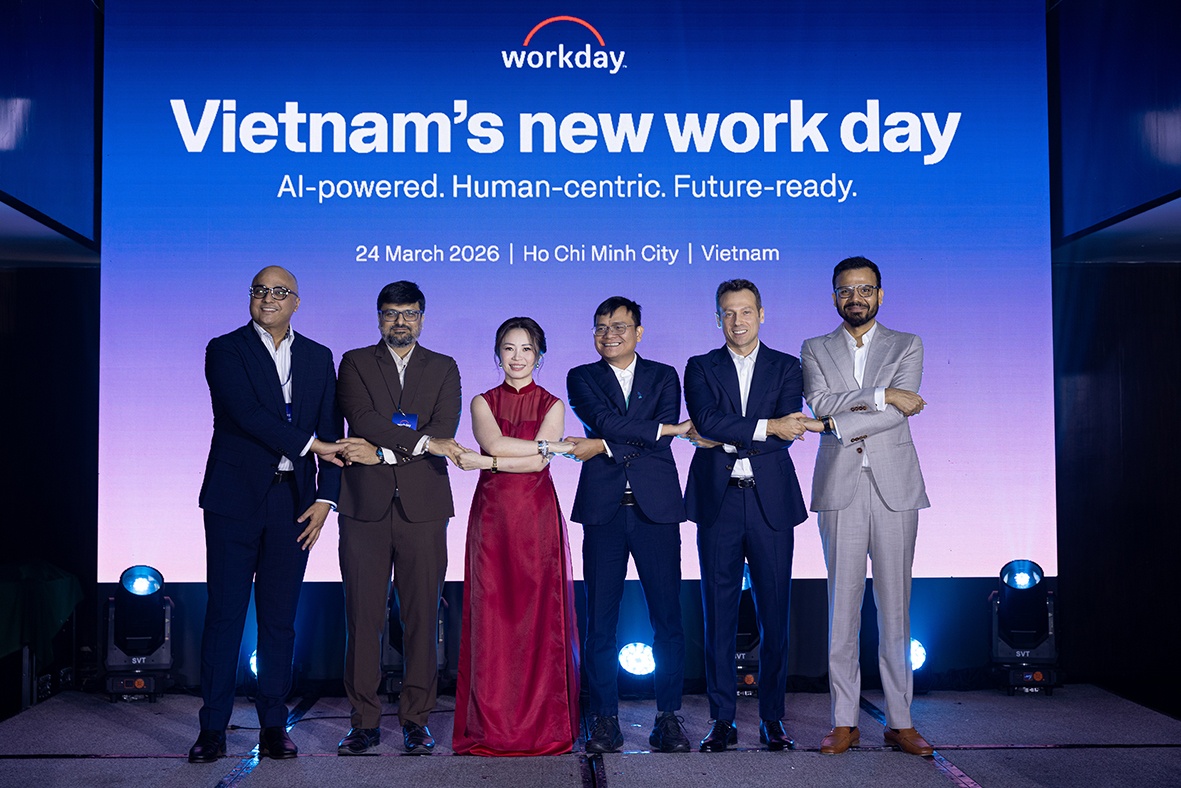
Workday expands into Vietnam and scales Southeast Asia presence

Workday, Inc., an AI platform for managing people, money, and agents, on March 31 announced a strategic expansion of operations into Vietnam.

This expansion is underpinned by an ecosystem of five global and regional partners, all dedicated to meeting the growing local demand for digital transformation.

This expansion marks a deepening commitment to Southeast Asia, fuelled by regional demand for a trusted, user-centric AI platform to manage people, finances, and AI agents. Following the acquisition of Paradox, Workday now has a presence of nearly 300 professionals across its Ho Chi Minh City and Danang offices.

“Vietnam is at the heart of the digital acceleration reshaping how businesses in ASEAN grow and empower their people,” said Fabio Tiviti, group vice president of Field Strategy & Operations at Workday.

He added that the expansion reflects more than market entry, with the company tapping into Vietnam’s talent pool to support the next phase of AI-driven innovation.

Through its partner ecosystem, Workday aims to provide local expertise to help Vietnamese organisations scale and unlock enterprise AI. Initial partners include Amaris, Deloitte, FPT Information Systems, Rolling Arrays, and VSOL.

“As Vietnamese organisations prioritise growth, the strength of Workday’s partner ecosystem combines enterprise-grade platform innovation with deep local expertise,” said Rogerio Almeida, group vice president of International Partner Ecosystem at Workday.

Local firms are already adopting the platform. “We view Workday as a long-term strategic choice, given its ability to deliver real-time insights and the operational agility needed to lead a people-centric organisation in an AI-driven future,” said Nguyen Trinh Thuy Trang, COO of Coteccons.

Workday brings the expertise of supporting more than 11,500 organisations globally to Vietnam’s evolving business landscape. From its Southeast Asian headquarters in Singapore, Workday’s regional presence now spans Singapore, Malaysia, Thailand, Indonesia, the Philippines, and Vietnam.

With a deep pool of local tech talent and a robust partner ecosystem, Vietnam is central to Workday’s vision of shaping the future of work across ASEAN and beyond.

German firm unveils $175 million R&D centre plans in Ho Chi Minh City German firm unveils $175 million R&D centre plans in Ho Chi Minh City

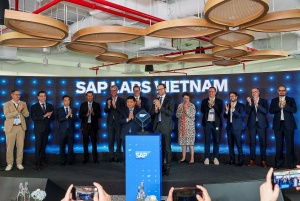
Germany’s SAP, the world’s largest provider of enterprise application software, on August 7 announced plans to invest more than €150 million (around $175 million) over the next five years into SAP Labs Vietnam, a new research and development (R&D) centre in Ho Chi Minh City.

Sojitz Corporation to expand energy and logistics investment in Ho Chi Minh City Sojitz Corporation to expand energy and logistics investment in Ho Chi Minh City

Japan’s Sojitz Corporation is looking to expand its investment in Ho Chi Minh City in the fields of energy, logistics, agriculture, food, and trade.

Banks ramp up plans to establish VIFC subsidiaries Banks ramp up plans to establish VIFC subsidiaries

Banks are accelerating plans to set up subsidiary banks at the Vietnam International Financial Centre to expand the ecosystem and enhance international competitiveness.

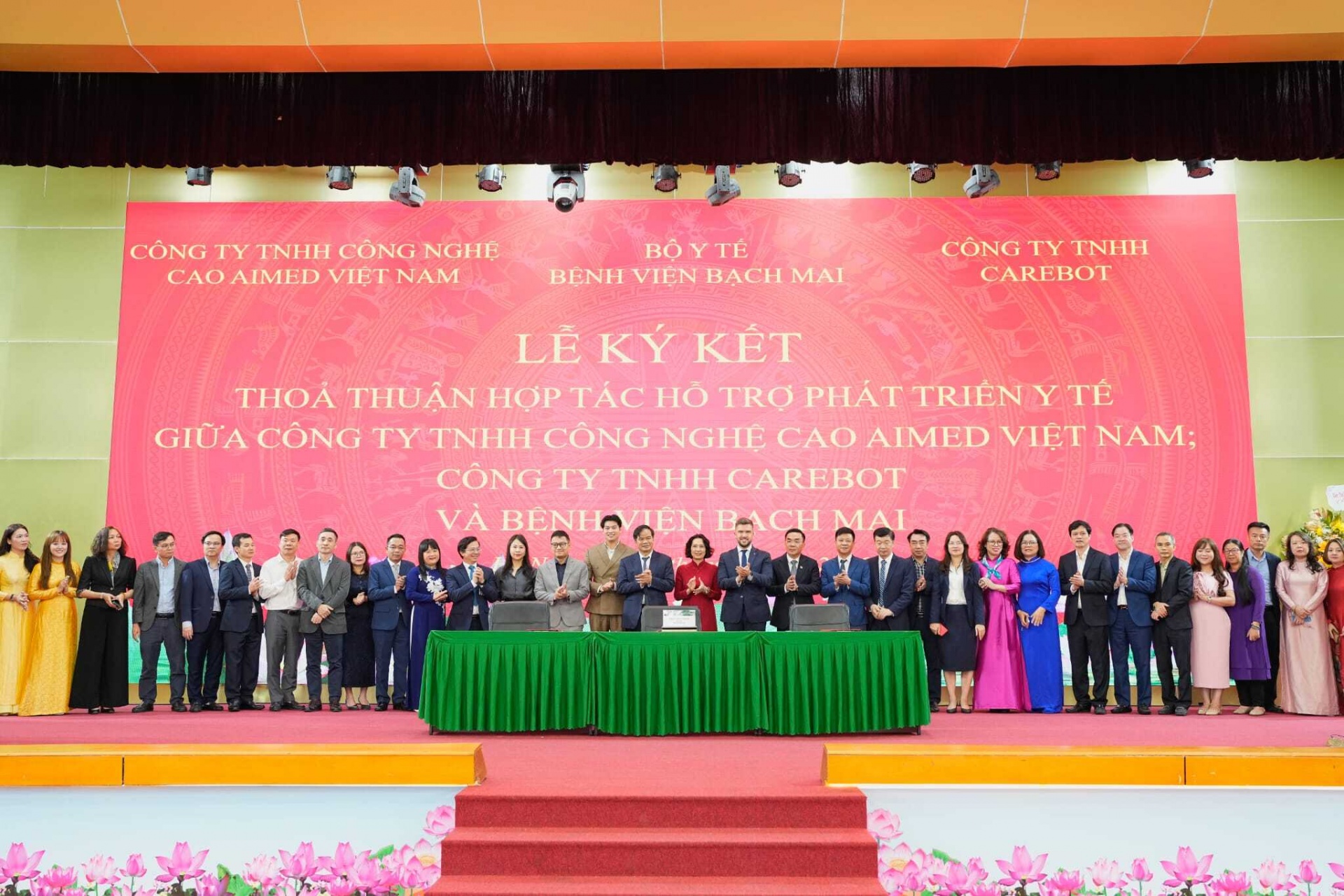
Carebot enters Vietnamese healthcare market

According to the company’s announcement on March 31, the collaboration follows the signing of a document focused on the implementation and use of Carebot’s AI solutions in clinical practice.

“This collaboration is an important step in bringing clinically validated AI into new regions and real hospital environments. We see strong potential in Vietnam and across Asia, where healthcare systems are rapidly evolving and open to innovation,” said Matěj Misař, CEO of Carebot.

Bach Mai Hospital is actively developing a smart hospital model, where digital infrastructure, integrated health records, and advanced technologies such as AI form the foundation of clinical care. This creates an environment where AI is not used as an integrated part of hospital systems, enabling more efficient workflows and better-informed clinical decisions.

For Carebot, this represents a strong alignment with its approach to developing solutions that work directly within existing healthcare infrastructure. The collaboration will focus on integrating AI directly into clinical workflows, supporting radiologists in everyday decision-making without adding complexity.

The move also reflects the growing relationship between the Czech Republic and Vietnam in healthcare and innovation. By bringing European-developed, clinically validated AI into Vietnamese hospitals, Carebot contributes to accelerating digital transformation and knowledge exchange in the region.

With a strong footprint across Central and Eastern Europe, Carebot continues to expand into new international markets, including Asia and the Middle East.

Hanoi to pilot AI at three hospitals for early cancer and stroke detection Hanoi to pilot AI at three hospitals for early cancer and stroke detection

Hanoi plans to pilot the application of AI at three hospitals, including Duc Giang, Saint Paul, and Hanoi Oncology Hospital, to enable early detection of dangerous diseases such as cancer and stroke.

GE HealthCare showcases latest imaging innovations in Vietnam GE HealthCare showcases latest imaging innovations in Vietnam

GE HealthCare has showcased its latest imaging technologies to Vietnam’s medical community at a major industry forum in Hanoi.

Health minister highlights comprehensive, people-centred healthcare orientation Health minister highlights comprehensive, people-centred healthcare orientation

Resolution No. 72 provides a breakthrough orientation for the protection, care and improvement of the people’s health. It places the people’s health at the centre of all healthcare policies and services, while aiming to address long-standing bottlenecks in the health sector that have yet to be fundamentally resolved.

It calls for collaboration across borders, sectors, and generations. In this context, co-creation has become a necessity.

Against this backdrop, MUFG has been advancing a long-term approach in Vietnam that brings together sustainable finance, innovation, and human capital development. From strengthening agricultural systems through its Food X initiative, to empowering youth innovators and engaging startups in open innovation platforms, MUFG is helping to build practical bridges between Vietnam and Japan by connecting ideas, technology, and people to create shared value.

When finance serves society: MUFG drives smart agriculture in Vietnam

Food‑X: connecting the two countries

Few places illustrate both the urgency and the opportunity of smart agriculture more clearly than Vietnam. As global markets shift towards quality and resilience amid rising climate risks, agricultural value is no longer defined by output alone.

This contrast highlights a deeper challenge for both countries. Japan faces food security, demographic, and climate pressures, while Vietnam brings strong agricultural and human potential but seeks deeper access to technology, sustainable practices, and global networks.

Bridging these complementary strengths requires collaboration and long-term commitment beyond capital.

It is from this perspective that MUFG launched its Food X (Food Transition) initiative.

Kinoshita Shingo, who is MUFG’s managing director and head of the Ho Chi Minh City branch, said the vision of Food X is to build a bridge between the two countries.

“By connecting Japanese technology, know how, and digital innovation with Vietnam’s food and agriculture sector, Food X aims to enhance productivity, quality, and resilience across the value chain. At the same time, it seeks to unlock Vietnam’s potential to contribute to addressing Japan’s food security challenges in the long term,” Shingo said.

For MUFG, Food X goes beyond financing. As a global financial institution with an extensive international network, MUFG plays a catalytic role, mobilising capital, matching business, facilitating partnerships, and aligning stakeholders across finance, technology, agribusiness, and policy.

The initiative reflects MUFG’s view that food security, digital transformation, and climate action are deeply interconnected, and that sustainable agriculture is both an economic imperative and a social responsibility, and a cornerstone of MUFG’s broader commitment to connecting countries, empowering people, and co creating solutions for the future.

When finance serves society: MUFG drives smart agriculture in Vietnam

Empowering youth

Recognising this transformation depends on the next generation, MUFG has also been investing in people, particularly Vietnam’s youth.

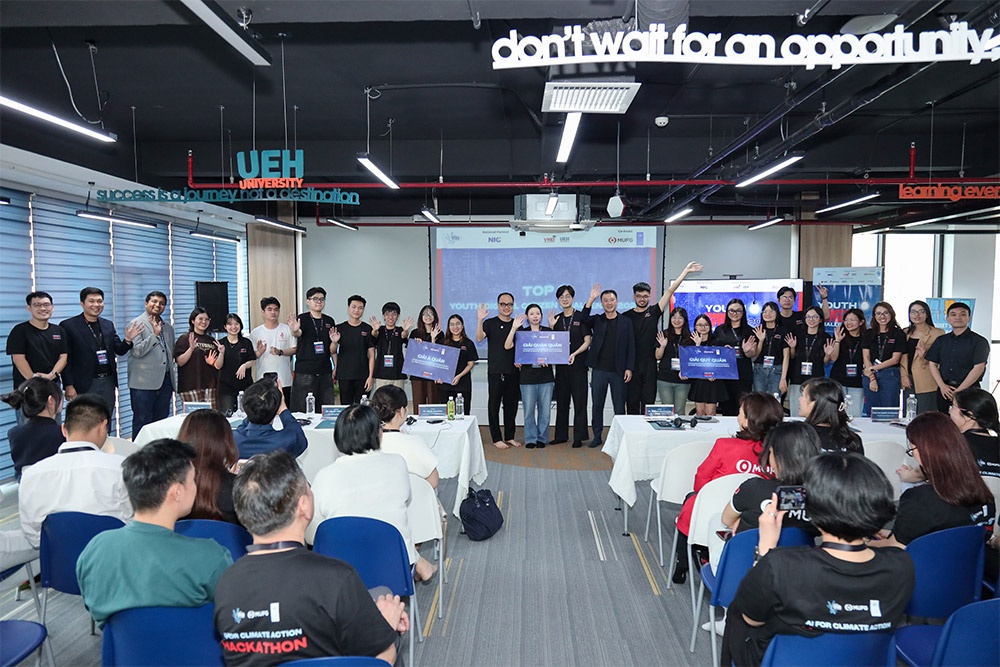
In partnership with the United Nations Development Programme and the University of Economics Ho Chi Minh City, MUFG is proud to co-create a platform that connects and empowers young innovators through the Youth Digital Citizen Challenge 2025.

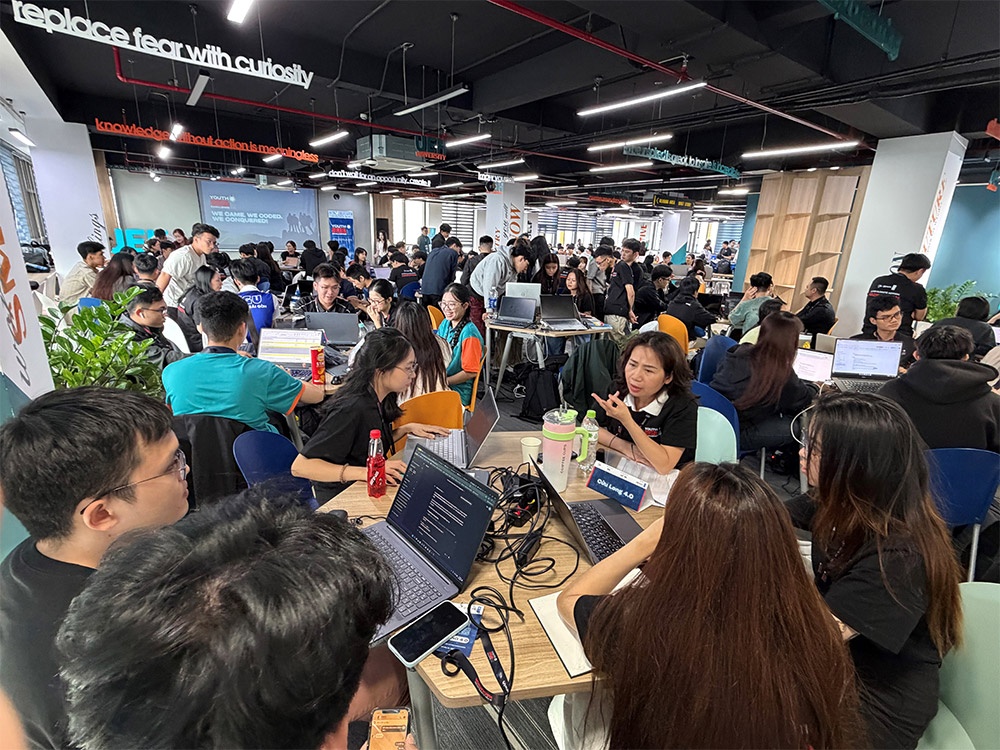
Under the theme “AI for Climate Action”, from October 2025 to January 2026, the event challenged young people to harness AI and digital technology to develop solutions addressing climate risks in the Mekong Delta, which is Vietnam’s “rice basket” but one of the region’s most vulnerable to climate change. The challenge was designed as a learning journey, spanning from capacity building webinars to an intensive 36-hour hackathon finale.

“As a sponsor, co-host and co-organiser, MUFG worked closely with partners to help shape the programme, contributing experts as speakers, mentors, and judges throughout the journey. This hands on involvement reflects MUFG’s commitment to equipping young innovators with practical skills, real world perspectives and the confidence to translate ideas into impactful solutions,” Shingo added.

By connecting digital talent with local climate realities, the initiative demonstrates how youth led innovation can contribute to resilient livelihoods and sustainable agriculture – principles that align closely with MUFG’s Food X vision.

When finance serves society: MUFG drives smart agriculture in Vietnam

From ideas to impact

Beyond supporting early-stage ideas, MUFG Vietnam has deepened its engagement in startup innovation through its participation in the ASEAN–Japan Co-creation Fast Track Initiative 2025.

Led by the Japanese Ministry of Economy, Trade, and Industry along with the Japan External Trade Organization, and in collaboration with ASEAN partners, the initiative promotes open innovation between startups and corporates.

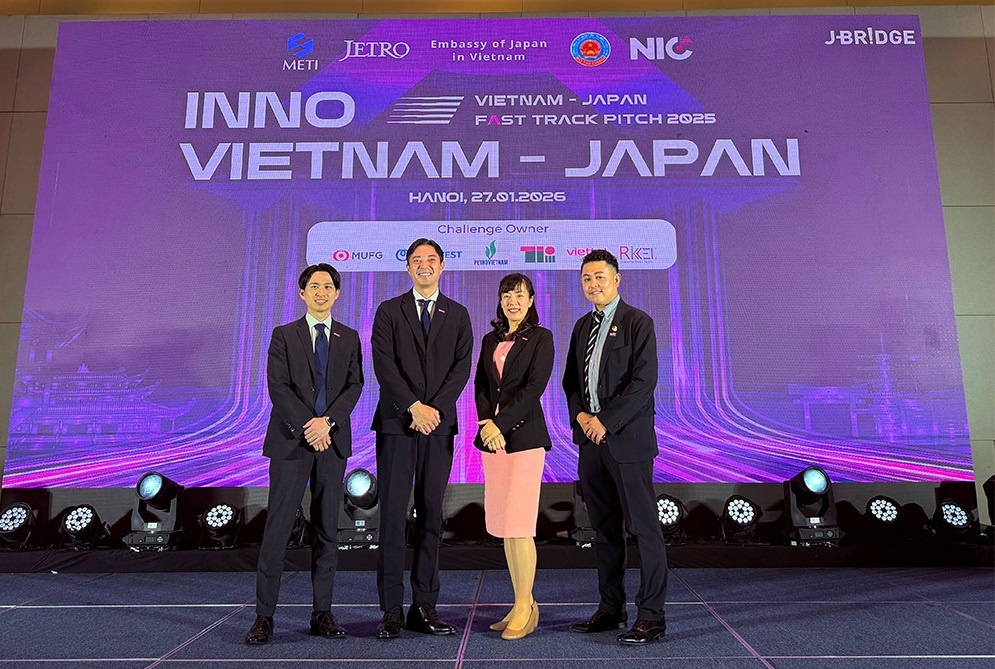
At the Inno Vietnam–Japan Fast Track Pitch 2025, MUFG Vietnam was one of six Challenge Owners, contributing real world business challenges, and joining the judging panel to identify solutions with strong practical potential.

Takao Nozaki, MUFG’s managing director, regional head of Vietnam and head of the Hanoi branch, said, “Aligned with its strategic focus on digital transformation and sustainable development, MUFG Vietnam invited proposals from startups across three key innovation challenges: enhancing Vietnam’s financial industry through advanced credit-scoring technology; applying fintech to strengthen distribution networks; and supporting the growth of Vietnam’s agriculture by leveraging MUFG’s global expertise.”

These challenges reflect MUFG’s intent to foster inclusive growth, improve access to finance, and reinforce the agricultural ecosystem through innovation, Nozaki added.

From Food X and smart agriculture to youth empowerment and startup co creation, MUFG’s initiatives in Vietnam are not standalone efforts. Together, they form an integrated ecosystem approach that connects land, technology, talent, and capital across borders.

Through long-term partnerships and a strong belief in co-creation, MUFG continues to act as a bridge to connect countries, empowering people and co-creating solutions for a more resilient and inclusive future.

Kim Long Motor exports first buses to Thailand in regional push

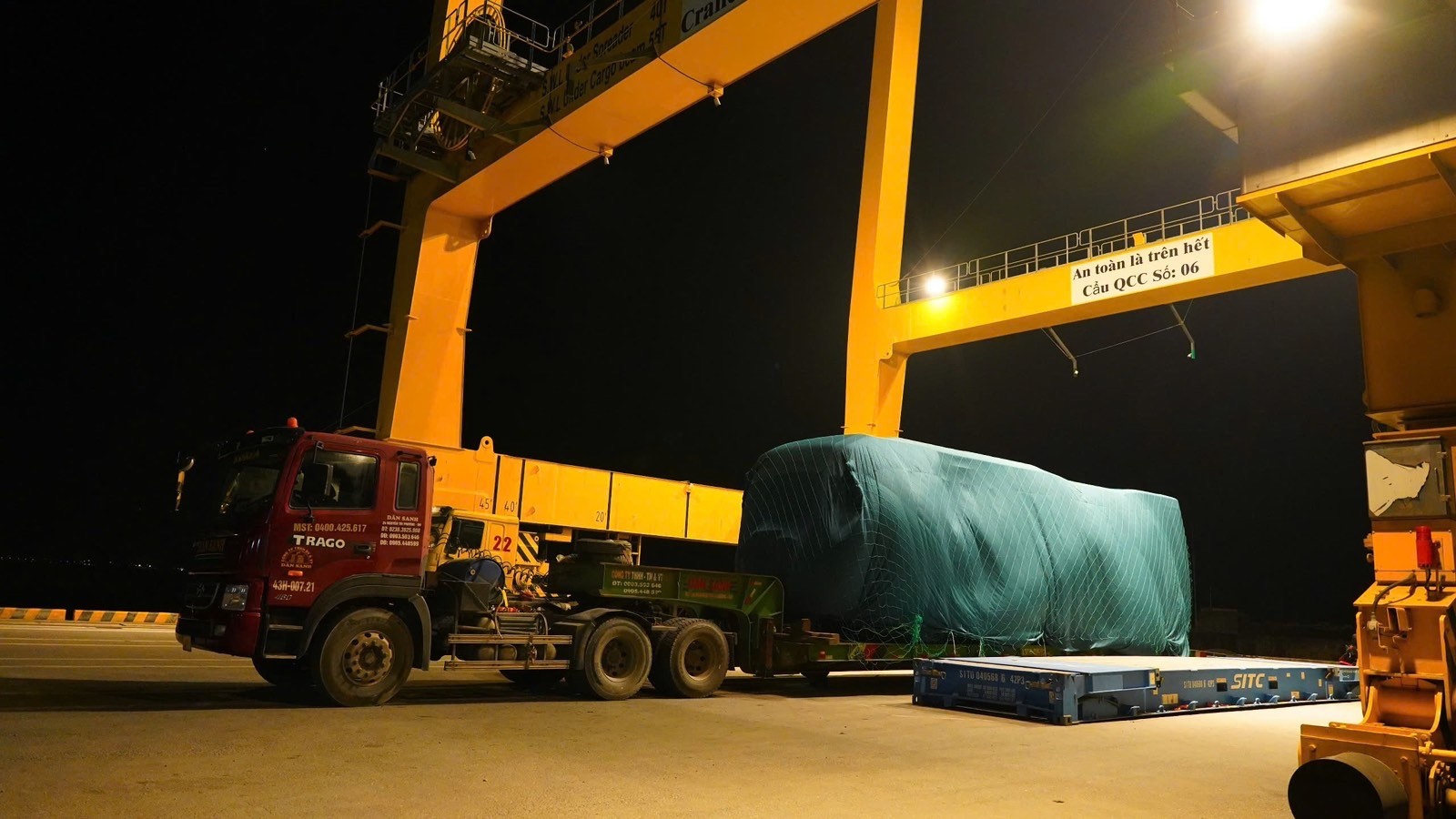
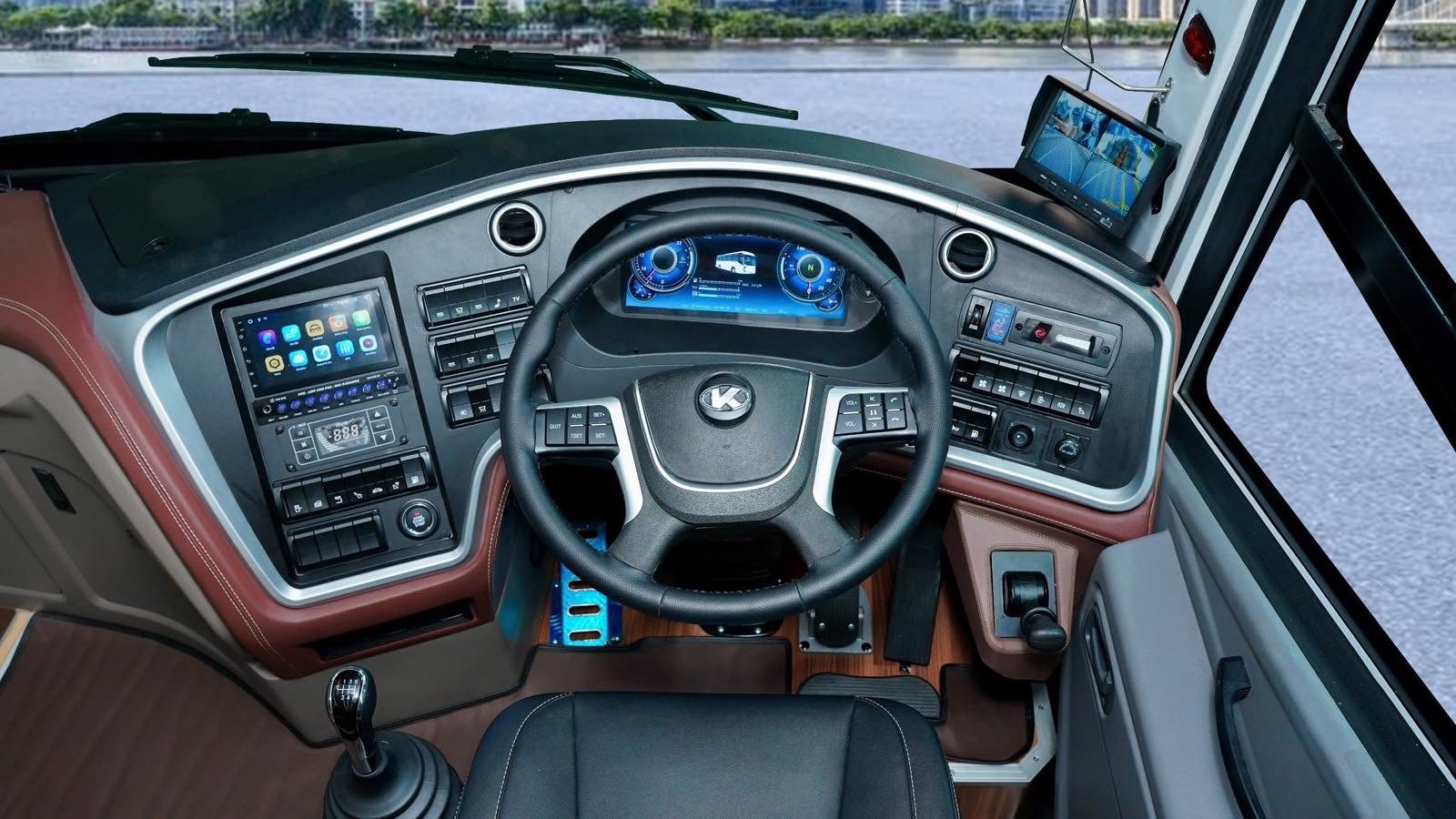
On March 20, the company announced that 10 passenger buses – including both internal combustion and electric engine models – had been shipped as part of a contract for 300 vehicles to be exported to Thailand in 2026. The milestone underscores the manufacturer’s production capacity and the growing regional recognition of Vietnamese-made automobile products.

Researched and developed by Kim Long Motor’s engineering team, the buses are designed to meet Thailand’s terrain, transport infrastructure, and customer requirements. With a localisation rate exceeding 80 per cent at the company’s Hue factory, the vehicles qualify for tax exemptions when imported into Thailand and across ASEAN markets.

Among the vehicles being shipped, the 12m Kim Long 99-seat buses stand out with their contemporary design and upgraded amenities, catering to the high-quality passenger transport segment.

Kim Long Motor exports first buses to Thailand in regional push

The buses are equipped with a new-generation YUCHAI K11 engine designed for strong and stable performance. Fuel consumption of just 19–21 litres per 100km helps keep operating costs competitive. The integrated body and chassis design is researched and optimised using modern design and simulation software to enhance load capacity, reduce vehicle weight, and adapt to diverse operating conditions in Thailand.

In contrast to products that rely on fragmented supply chains, the chassis and YUCHAI K11 engine of Kim Long’s seated buses are manufactured at the company’s Hue factory, offering a competitive advantage by ensuring consistent quality while strengthening supply chain control.

Alongside traditional internal combustion models, Kim Long Motor has also exported 12m electric buses to Thailand – a significant step in the development of green, environmentally friendly commercial vehicles.

Kim Long Motor exports first buses to Thailand in regional push

The electric bus is equipped with a new BYD battery system, with average power consumption of just 0.8 kWh per km. The battery pack is produced at Kim Long Motor’s commercial electric vehicle battery plant in Hue.

With modern battery technology, the bus can travel more than 400km on a 90 per cent charge, supported by regenerative braking to optimise energy efficiency. The solution enables smooth and stable operation while significantly lowering operating costs compared with traditional vehicles.

The models’ energy efficiency and reduced emissions align with the green transportation trend and support Thailand’s push towards clean energy transition.

With this shipment, Kim Long Motor has taken a step towards establishing its manufacturing capabilities and product quality in international markets. The company aims to strengthen collaboration with strategic partners, advance development of environmentally friendly vehicles, and enhance competitiveness as it works towards becoming a recognised commercial vehicle brand in the region.

Beyond accelerating exports, Kim Long Motor is investing in a comprehensive factory system covering research and development, component manufacturing, vehicle frames, engines, and electric vehicle batteries.

By managing its value chain, the company aims to ensure consistent product quality, control costs, and tailor products to specific market requirements. This provides a foundation for increasing competitiveness, accelerating product rollout, and deepening integration into global supply chains.

With a clear focus on sustainable development, Kim Long Motor is positioning itself as a Vietnamese vehicle brand ready to integrate and compete internationally.

Kim Long Motor and BYD Battery start electric vehicle battery plant in Hue Kim Long Motor and BYD Battery start electric vehicle battery plant in Hue

On January 27, Kim Long Motor, in collaboration with BYD Battery, held the groundbreaking ceremony for the BYD battery manufacturing plant at Kim Long’s manufacturing and assembly industrial park, with a total investment of $130 million.

Kim Long Motor and AOJ Suzhou enter strategic partnership Kim Long Motor and AOJ Suzhou enter strategic partnership

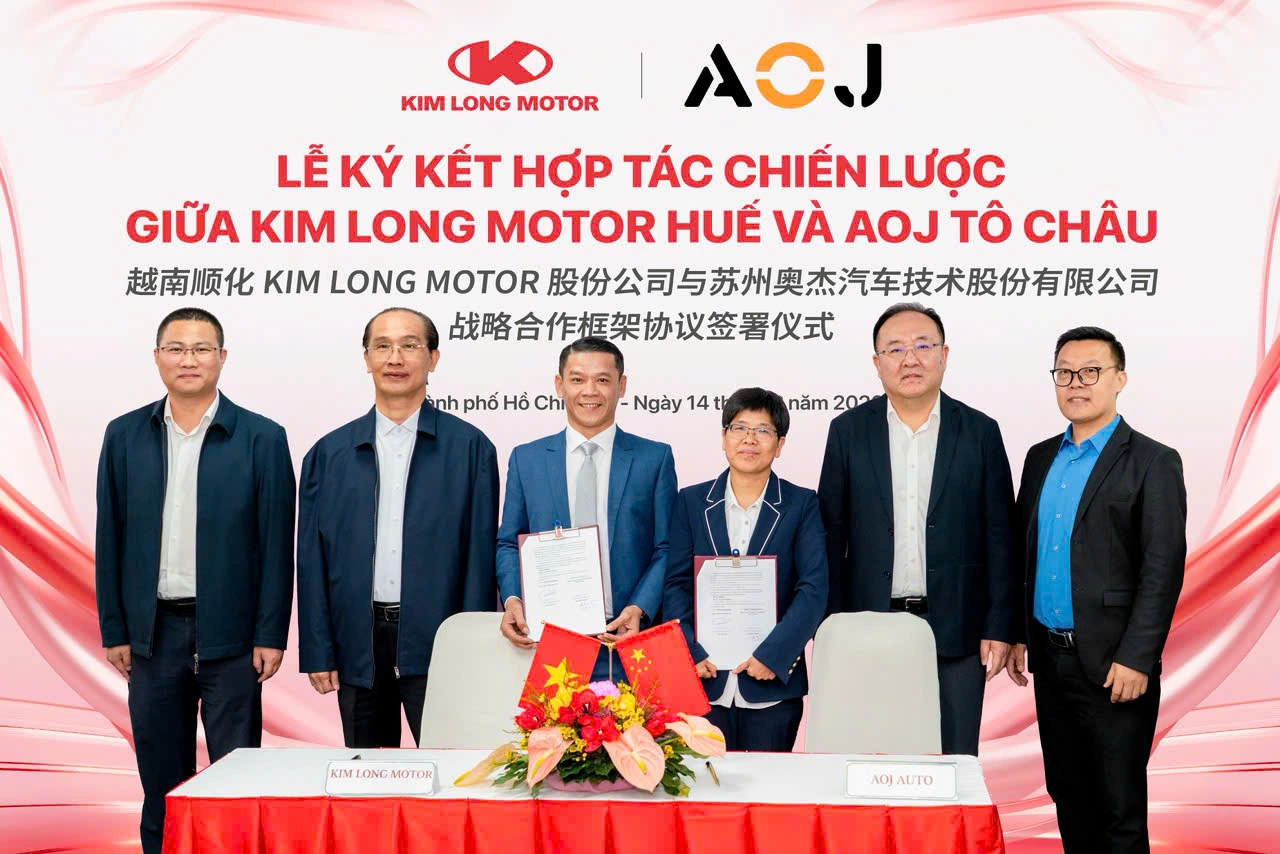
Kim Long Motor and AOJ Suzhou signed a strategic cooperation agreement in Ho Chi Minh City on February 14.

Kim Long Motor pioneering fuel-efficient engines and green transition Kim Long Motor pioneering fuel-efficient engines and green transition

Recent geopolitical tensions in the Middle East have continued to raise risks for the global energy market, with diesel prices rising sharply and unpredictably, placing pressure on fuel-intensive sectors such as long-distance passenger transport.

Russia-Vietnam bilateral trade grows 6 per cent in 2025
Deputy Prime Minister Dmitry Chernyshenko addressed the forum. Photo: VGP

According to the official portal of the Russian government, Deputy Prime Minister Dmitry Chernyshenko, together with Prime Minister Pham Minh Chinh, welcomed participants to the Russian-Vietnamese Business Forum in Moscow on March 24.

DPM Chernyshenko said that last year marked the 75th anniversary of diplomatic relations between the two nations and quoted Russian President Vladimir Putin, “Over these years, Vietnam and our country, Russia, have forged a unique relationship of alliance and fraternal mutual assistance.”

Over the past year, we have achieved significant progress both in the development of our countries and in bilateral Russian-Vietnamese trade and economic cooperation, DPM Chernyshenko said

“Russia’s economy continues to grow steadily. In 2025, the highest growth rates were observed in tourism and the financial sector, as well as in manufacturing. There is increasing demand from both businesses and the state for stepping up international economic ties. By the end of 2025, bilateral trade between Russia and Vietnam grew by 6 per cent. Both Russian exports to Vietnam and Vietnamese imports to Russia have increased,” the Russian DPM stated.

DPM Chernyshenko added that Vietnam was Russia’s traditional partner in Southeast Asia, and a country with high growth rates and significant economic potential. In 2025, Vietnam’s GDP growth exceeded 8 per cent, and its foreign trade approached $1 trillion.

Regarding promising areas of cooperation, Russia is prepared to serve as a reliable supplier of energy resources, coal, oil, gas, meat, wheat, fertiliser, confectionery, pharmaceutical products, and polymer goods.

The DPM invited relevant companies to expand their presence in the Vietnamese market. An effective infrastructure for trade and project collaboration has already been established for Russian and Vietnamese businesses. The DPM also highlighted the importance of the Vietnam–Russia Joint Venture Bank in supporting business and tourism.

Over the years, logistical connectivity between Russia and Vietnam has improved. In 2025, the geography and frequency of direct flights between the two countries expanded. According to DPM Chernyshenko, this reflects strong interest in mutual tourism and business travel.

“The flow of tourists from Russia to Vietnam in 2025 nearly tripled, reaching 690,000 people. Russia ranks among the top five foreign countries in terms of tourist visits to Vietnam and is ready to compete for leadership in this regard. Tourist arrivals from Vietnam to Russia grew by almost 36 per cent. We are working to simplify visa requirements,” the DPM added.

Russia is prepared to support Vietnam’s sustainable development, which aims to achieve net-zero emissions by 2050. On March 23, in the presence of Russian Prime Minister Mikhail Mishustin and Vietnamese Prime Minister Pham Minh Chinh, an intergovernmental agreement was signed for the construction of Vietnam’s first nuclear power plant using advanced Russian technology.

DPM Chernyshenko added that Russia is also ready to intensify cooperation with Vietnam in digital technologies and education.

“Russia is prepared to share expertise and experience in cutting-edge solutions such as smart and safe cities, cloud technologies, cybersecurity, AI, and the digitalisation of public services. Russia is ready to assist Vietnam in training skilled personnel for high-tech industries through joint projects. This work is being carried out under the Russian-Vietnamese Consortium of Technical Universities,” the DPM said.

DPM Chernyshenko invited Vietnamese colleagues to participate in the 29th St Petersburg International Economic Forum, scheduled for June 3–6, and the Eastern Economic Forum, which will take place from September 1–4.

PM Chinh reported that during his visit, he had met with Russian PM Mikhail Mishustin, Federation Council Speaker Valentina Matviyenko, and State Duma Speaker Vyacheslav Volodin.

“I see great potential for the development of bilateral relations. I am confident that the Russian-Vietnamese Business Forum will bring our business communities together. The advancement of political relations serves as a driving force for opening up bilateral ties in other areas. We regard Russia as our most important partner in Europe, and these relations should unite our economies. We hope that you, our friends, will find ways and opportunities to strengthen our partnership,” said PM Chinh.

Russia-Vietnam bilateral trade grows 6 per cent in 2025

He also outlined prospects for cooperation in education, science, innovation, digital technologies, finance, transport logistics, and other fields.

In the presence of DPM Chernyshenko and PM Chinh, Russian and Vietnamese companies exchanged a series of bilateral agreements, including an MoU between Vietnam Railways and Ava Trading; letters of intent between FESCO Transport Group and Vietnam Maritime Corporation, and between Delo Group and Vietnam Maritime Corporation; and a protocol between Vietnam National Industry and Energy Group and Zarubezhneft covering the re-registration and transfer of subsoil use licences between ZN-Sever and Rusvietpetro.

Russia to build 2,400 MW nuclear plant in Vietnam under new deal Russia to build 2,400 MW nuclear plant in Vietnam under new deal

An intergovernmental agreement on cooperation to build the Ninh Thuan 1 Nuclear Power Plant in Vietnam has been signed during Prime Minister Pham Minh Chinh’s official visit to Moscow.

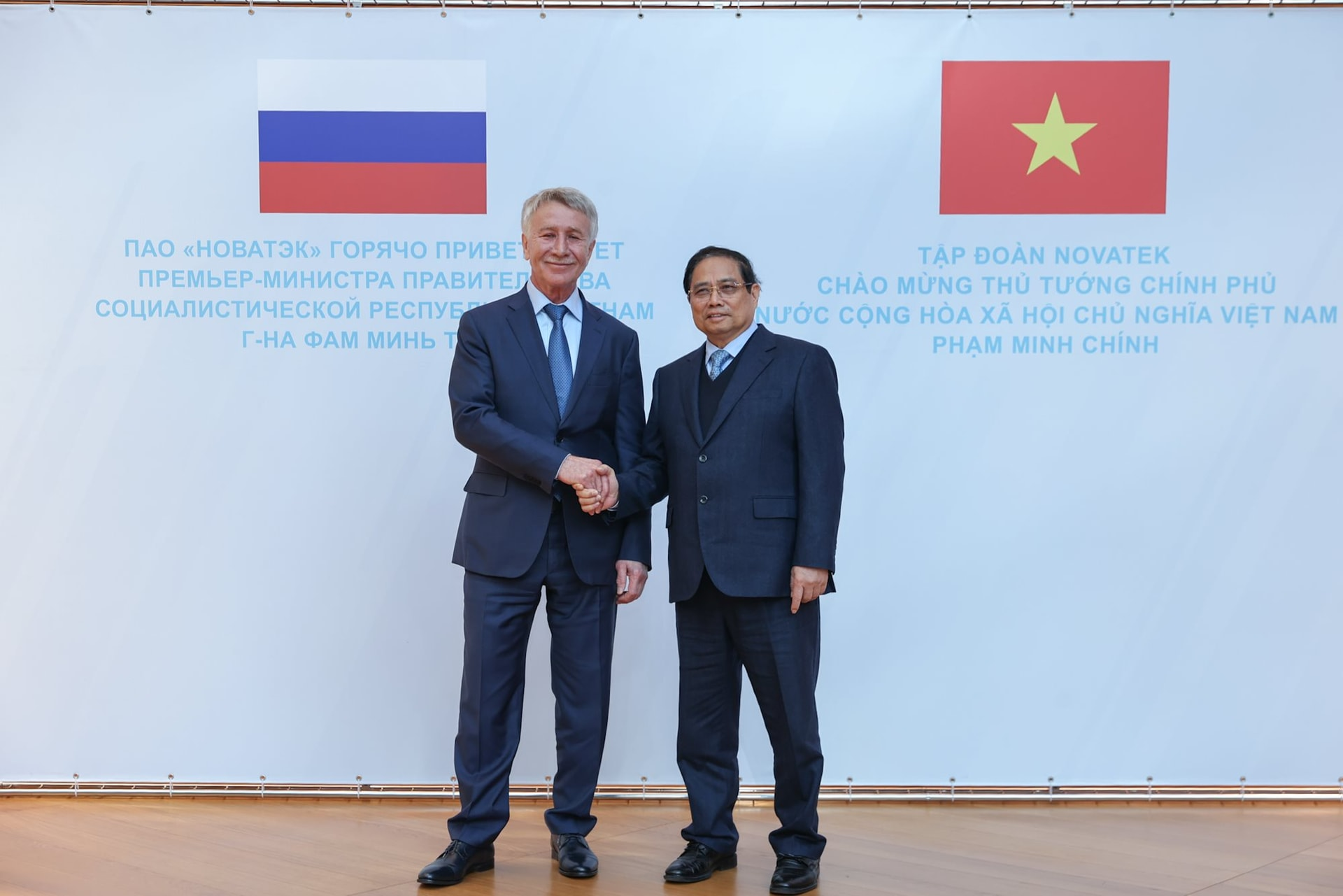
Novatek eyes expanded LNG cooperation in Vietnam Novatek eyes expanded LNG cooperation in Vietnam

As Vietnam races to secure its energy future and meet the demands of its surging economy, a new partnership with a Russian energy giant is taking shape, signalling a deepening of the nations’ long-standing ties.

Russian President congratulates Vietnamese Party leader during phone talks Russian President congratulates Vietnamese Party leader during phone talks

The two leaders expressed their readiness to engage in constructive and open discussions in the spirit of mutual understanding, respect, and harmonisation of interests to elevate cooperation in traditional areas and expand ties to new potential ones.

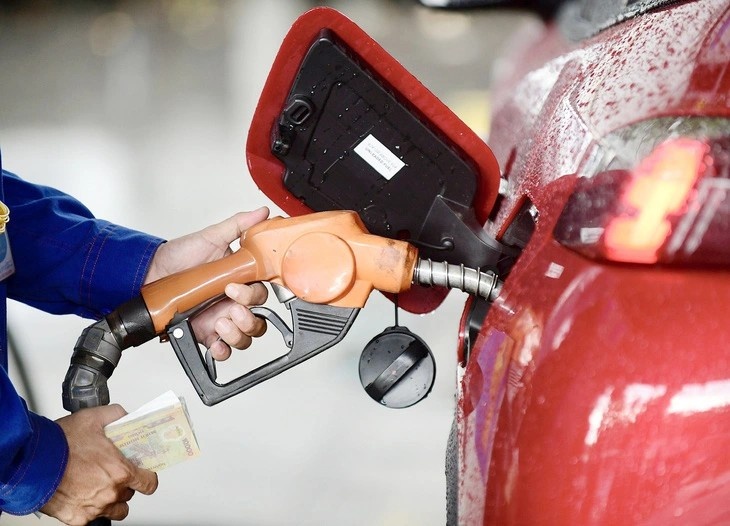
Middle East conflict sends ripple effects across Vietnam's economy

According to a legal alert by Ernst & Young Vietnam from March 18, Vietnam has already raised retail fuel prices twice within three days under emergency pricing rules, while the government issued Resolution No.36/NQ‑CP on March 6 to prioritise domestic energy security and enable rapid price adjustments and crude allocation.

Shipping lines and insurance markets have restricted gulf transits, with widespread rerouting and new emergency surcharges.

The alert highlights the impact of the Middle East conflict on key sectors in Vietnam, ranging from oil refining and petrochemicals to energy, power, manufacturing, and supply chains.

In regard to oil refining and petrochemicals, Vietnam’s fuel security relies heavily on imported feedstocks. Major refining facilities face critical supply chain pivots due to their historical reliance on Middle Eastern crude. For domestic refiners and their international sponsors, the immediate commercial challenge is securing and processing alternative feedstocks without breaching existing long-term supply agreements or compromising operational safety.

Another sector subject to disruption is liquefied natural gas (LNG) and liquefied petroleum gas (LPG) distribution. The disruption is already triggering legal mechanisms. With refrigerated vessels unable to safely transit conflict zones, major distributors have been forced to issue force majeure notices on imported LPG deliveries. Downstream industrial customers must urgently secure alternative energy sources while navigating sudden price spikes.

In terms of energy, power and infrastructure, major engineering, procurement and construction and supply contracts are highly vulnerable to critical path delays. The re-routing of vessels away from conflict zones is delaying the delivery of specialised equipment, such as components for renewable energy projects or equipment for LNG terminals. Project directors must immediately assess whether these logistical delays entitle contractors to a time extension and, crucially, whether they are entitled to claim prolonged costs.

Manufacturing and supply chains are also feeling the impact of tensions in the Middle East. Exporters and importers are facing war-risk insurance premiums and container surcharges. Margins are being instantly eroded, raising urgent questions about the ability to pass these costs upstream or downstream under existing supply agreements.

Furthermore, the Middle East crisis is also having a consequential impact on the broader economy. The energy shock is cascading into all sectors. Transport and logistics providers face spiked fuel costs and eroding margins that they will attempt to pass on to manufacturers and retailers, which then feed into broader inflation. Furthermore, energy-intensive industries such as fertiliser and plastics manufacturing are exposed to extreme input price volatility, threatening the financial viability of fixed-price supply contracts.

Against the backdrop, businesses with Vietnam‑facing contracts should act now to preserve rights and cash flow, using statutory force majeure, fundamental change of circumstances, and contractual time/price adjustment mechanisms where available.

Middle East conflict raises risks for global coffee market Middle East conflict raises risks for global coffee market

The US-Iran conflict could put pressure on the coffee market through higher production costs, a volatile dollar, skyrocketing fuel prices and growing logistical uncertainty, especially with the closure of the Strait of Hormuz and the risk of paralysis in the Suez Canal.

Middle East conflict disrupts supply chains, pressures logistics firms Middle East conflict disrupts supply chains, pressures logistics firms

The ongoing conflict in the Middle East is placing significant pressure on logistics companies in Vietnam, disrupting supply chains and international transportation activities.

Domestic fundamentals hold firm as markets reprice global risk Domestic fundamentals hold firm as markets reprice global risk

Domestic fundamentals remain solid as markets reassess global risk, with Middle East tensions causing volatility.

Caution and stability drive Vietnam’s workforce trends

According to the Salary Guide 2026 by Adecco Vietnam on March 19, Vietnam’s economy demonstrated solid momentum in 2025, with GDP growth of 8.02 per cent, driven by services and industrial sectors. Exports grew by 17 per cent, while business remained active despite ongoing market adjustments.

Hiring activity remained cautious but stable. Organisations prioritised efficiency and critical roles, focusing on experienced professionals who can deliver immediate impact. Leaner team structures became more common, while competition for skilled talent, especially in digital, technical, and leadership roles, remained strong.

Based on research involving 10,000 professionals in Vietnam, primarily mid- to senior-level, the report highlights a shift towards more sustainable, people-centric workplaces.

Mental health and wellbeing have emerged as the top trend influencing work life, followed by economic and business uncertainty. This reflects growing awareness of burnout risks and the need for resilience, prompting organisations to place greater emphasis on employee support and workforce stability.

In 2025, salary growth remained moderate, with 33 per cent reporting no change and only 18 per cent seeing increases above 10 per cent, mainly in IT and digital roles. However, expectations for 2026 are more optimistic, with 38 per cent anticipating increases above 10 per cent, highlighting the mportance of compensation in attracting and retaining talent.

At the same time, professionals are becoming more cautious in their career decisions. While 62 per cent are open to new opportunities, a notable 37 per cent prefer stability. Workplace relationships continue to be a key retention factor, with strong satisfaction levels towards colleagues (72 per cent) and line managers (60 per cent).

Although AI was not ranked among the top trends this year, its adoption in daily work continues to grow. Employees are increasingly using AI to streamline tasks and support decision-making, with 73 per cent confident their employers will support the development of AI-related skills, reflecting a strong commitment to upskilling and continuous learning.

Looking ahead, Vietnam’s GDP is forecasted to grow by around 9 per cent in 2026, supported by continued foreign investment, infrastructure development, and expansion across key industries. As businesses adapt to technological advancements and shifting global supply chains, demand for highly skilled, adaptable talent is expected to remain steady.

Organisations will need to strike a balance between operational efficiency and long-term workforce development, while those who invest in digital capabilities, cross-functional skills, and continuous learning will be best positioned to capture emerging opportunities.

Vietnam job market hits new milestone with rising salaries and race for AI talent Vietnam job market hits new milestone with rising salaries and race for AI talent

Robert Walters Vietnam released its Salary Survey 2026 on November 25, revealing that Vietnam’s job market reached a new milestone in 2025.

Vietnam eyes investment and talent development with world-class aerospace leader Vietnam eyes investment and talent development with world-class aerospace leader

Deputy Prime Minister Nguyen Chi Dung has urged a global aerospace and high-tech group to expand cooperation, alongside supporting a plan to train 50,000 semiconductor engineers and drive innovation.

Talent boost vital for semiconductor chip industry Talent boost vital for semiconductor chip industry

Vietnam and Japan are deepening their relationship in developing personnel to support the former’s burgeoning semiconductor industry. Prof. Usagawa Tsuyoshi, of the Vietnam-Japan University under the Vietnam National University in Hanoi, spoke with VIR’s Thanh Thanh about the evolving partnership and what Vietnam must do to cultivate a world-class semiconductor workforce.

VinFast more than doubles 2025 revenue to $3.6 billion

According to the company’s newly released fourth-quarter and full-year financial results in March, VinFast reported revenue of VND90.4 trillion ($3.6 billion) for 2025, up over 105 per cent on-year.

In the fourth quarter, the company delivered 86,557 electric vehicles (EVs) – an increase of 127 per cent on-quarter and 63 per cent on-year, marking its strongest quarterly performance since its establishment.

Driven by growing demand from the commercial transport and service vehicle segment, models under the Green brand and the EC Van accounted for approximately 49 per cent of total deliveries in the quarter. International markets also played an increasingly important role, representing about 18 per cent of total deliveries during the period.

For the full year, VinFast delivered 196,919 electric cars, up 102 per cent on-year. The figure exceeded the company’s target of at least doubling the previous year’s deliveries (97,399 units) and marked the highest annual delivery volume in the company’s history.

Beyond electric cars, VinFast’s e-motorcycle and e-bicycle segments also recorded strong growth. In the fourth quarter of 2025, the company delivered 171,962 two-wheel EVs, up 43 per cent on-quarter and 452 per cent on-year. For the full year, deliveries of e-motorcycles and e-bicycles reached 406,498 units, representing a 473 per cent on-year.

Another notable improvement was seen in gross margin. In the fourth quarter of 2025, gross margin stood at around negative 40 per cent, a significant improvement compared with negative 79 per cent in the fourth quarter of 2024 and negative 56 per cent in the third quarter of 2025.

Thanks to strong growth in deliveries, fourth-quarter revenue reached $1.57 billion, up almost 140 per cent on-year and 118 per cent on-quarter. For the full year 2025, gross margin improved to negative 42.5 per cent, compared with negative 57.4 per cent in 2024. By the end of 2025, VinFast had built a global network of 424 showrooms, supporting sales operations and strengthening brand recognition.

The fourth-quarter financial results marked the strongest performance in the company’s history, with several key metrics reaching new highs as early benefits from scale expansion began to materialise.

Nguyen Thi Lan Anh, CFO of VinFast said, “The company’s ability to exceed its 2025 targets while operating at around two-thirds of the capacity of its main production plant demonstrates VinFast’s capability to scale operations efficiently.”

Meanwhile, Le Thi Thu Thuy, chairwoman of VinFast, said 2025 marked a key milestone in the company’s development journey, aligned with its core mission of making EVs and the green transition more accessible to everyone.

“Every strategic decision we make, from investments in technology and manufacturing capacity to global expansion, revolves around that objective. In 2026 and the years ahead, scaling up production and optimising unit costs will remain critical drivers,” she said.

VinFast’s leadership also revealed plans for strategic investments to expand overseas manufacturing capacity, commercialise next-generation vehicle models, and strengthen cooperation with partners both inside and outside the Vingroup ecosystem to further integrate AI into its vehicles and factories.

In 2025, VinFast also stepped up its expansion strategy in key Asian markets while strengthening its global manufacturing footprint. In Vietnam, the company maintained its leading position in the car market, with an estimated 36 per cent market share in 2025, a sharp increase from around 22 per cent in 2024. The company also remained the number-one electric two-wheeler brand in the domestic market.

Internationally, VinFast has been steadily improving its market presence. In India, despite only starting vehicle sales in September 2025, the company rose from eighth place in October 2025 to fourth place by December 2025, maintaining this ranking into early 2026.

In Indonesia, VinFast ranked third among electric vehicle brands by the end of 2025. Meanwhile, in the Philippines, data from the Chamber of Automotive Manufacturers of the Philippines Inc. showed the company climbing to second place in the electric vehicle segment.

Alongside market expansion, VinFast also accelerated the development of its global manufacturing ecosystem. At the company’s main plant in Haiphong, total output reached 200,000 EVs in 2025, including nearly 26,000 units in December alone.

Throughout 2025, VinFast brought several new manufacturing facilities into operation. These included the VinFast Ha Tinh plant in Vung Ang Economic Zone, inaugurated last June after nearly seven months of construction; a factory in Tamil Nadu (India), which began operations the following August; and a plant in Subang (Indonesia), launched in December.

By the end of last year, VinFast was operating four factories worldwide with a combined maximum production capacity of around 600,000 EVs per year. This includes 300,000 units annually in Haiphong, 200,000 units in Ha Tinh, and two plants in Indonesia and India, each with a capacity of 50,000 units per year.

VinFast restructures portfolio into three brands, unveils luxury models VinFast restructures portfolio into three brands, unveils luxury models

The Vietnamese automaker reorganized its product lineup into distinct brand tiers and introduced two high-end vehicles targeting premium market segments.

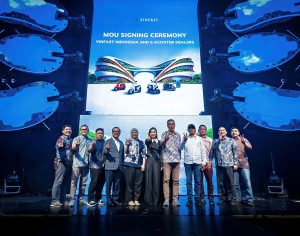
VinFast partners with six Indonesian e-scooter dealers VinFast partners with six Indonesian e-scooter dealers

The electric vehicle manufacturer formed distribution agreements with half a dozen retailers to expand two-wheeler sales coverage across the archipelago nation.

VinFast targets Gulf region lifestyle market with EVs VinFast targets Gulf region lifestyle market with EVs

The Vietnamese automaker positioned its electric vehicles to align with emerging consumer preferences in Middle Eastern markets.

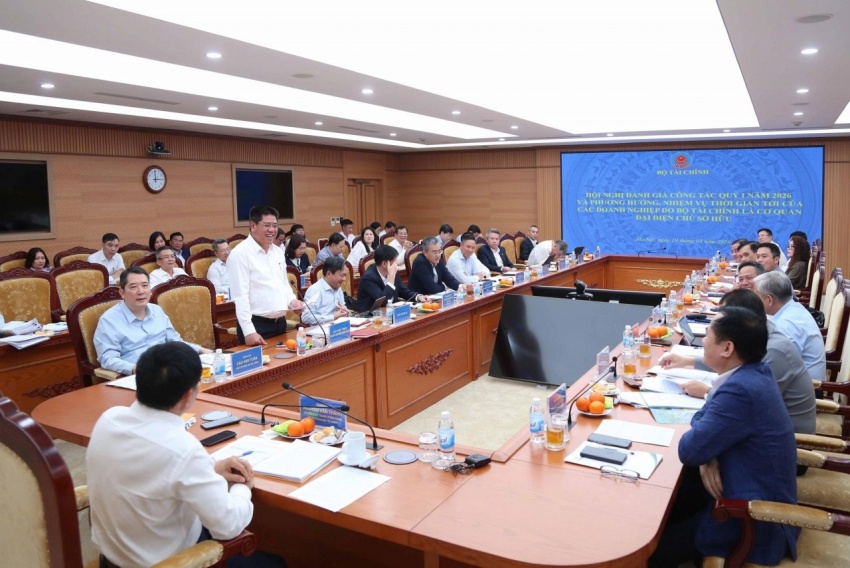
Finance ministry urges SOEs to lead tech drive for growth
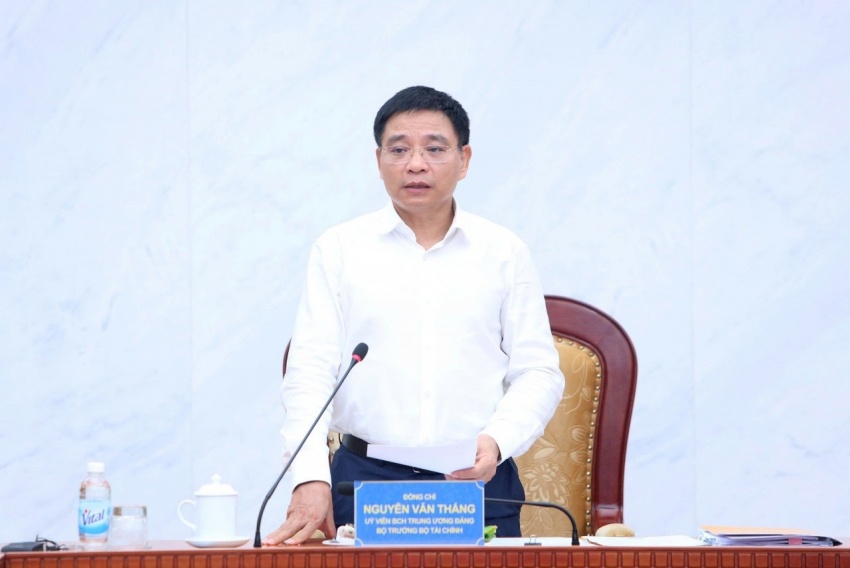
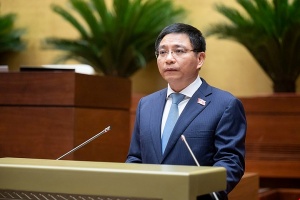
Minister of Finance Nguyen Van Thang

Speaking at the meeting, Minister Thang said Vietnam’s ambition to achieve double-digit growth over the current term faced mounting external headwinds, with global conditions evolving rapidly and largely in an unfavourable direction.

Despite this, he noted that the government remained firmly committed to its growth targets, calling for coordinated policy action and stronger contributions from across the system, particularly from state-owned enterprises (SOEs).

The minister instructed state corporations and groups to reassess their 2026 business targets within the first quarter and adjust plans where necessary to aim for double-digit growth.

A key priority, he noted, was the role of SOEs in advancing sci-tech. Echoing directives from senior leadership, Thang stressed that state firms must act as pioneers in developing and deploying strategic technologies and products.

“If Vietnam is to achieve sustainable, long-term double-digit growth, it cannot continue to rely on capital or land. Science, technology and innovation must be the core drivers,” he said, adding that firms should seize unprecedented policy incentives and investment support currently being rolled out.

At the same time, greater autonomy granted to SOEs under the new legal framework must go hand in hand with stricter accountability. Thang highlighted the need for a “commercial mindset,” urging business leaders to rigorously assess both financial and socioeconomic returns before approving investment projects.

“We must carefully evaluate project efficiency before making decisions,” he said.

Finance ministry urges SOEs to lead tech drive for growth

According to a report presented by Vu Hong Phuong, director general of the Department for State-Owned Enterprise Development, SOEs maintained positive momentum in the first quarter despite global uncertainties.

In 2025, total consolidated revenue reached VND1.6 quadrillion ($64 billion), exceeding the annual plan by 7.4 per cent, while pre-tax profit rose to $4.6 billion, surpassing targets by 19 per cent.

This momentum continued into early 2026, with first-quarter revenue estimated at $16.3 billion, equivalent to 23 per cent of the full-year plan and up 9 per cent on-year. Pre-tax profit is projected at about $655 million, while budget contributions are estimated at $1.3 billion.

Notably, no enterprise in the portfolio reported losses, supporting the preservation and growth of state capital. Strong gains were seen in energy, aviation and telecommunications.

However, the report also highlighted mounting pressures from geopolitical tensions in the Middle East, which have driven up fuel prices and input costs.

Major firms such as Vietnam National Petroleum Group, Vinachem, and Vietnam Electricity are facing rising import costs and supply challenges.

Institutional delays remain another concern. Delays in issuing guidance for the new Law No.68/2025/QH15 have created uncertainty for businesses, while obstacles in accessing investment capital, land procedures and divestment processes continue to slow major projects.

To support the 2026 growth target, authorities are urging SOEs to update business scenarios and accelerate the development of five-year strategies aligned with national policy frameworks.

One key initiative expected in the second quarter is a proposal to establish and operate a national investment fund, based on restructuring State Capital Investment Corporation.

At the same time, agencies are calling for a comprehensive review of ongoing investment projects, particularly large-scale and strategic ones, to resolve obstructions and accelerate implementation.

For delayed or underperforming projects, clear accountability must be assigned and decisive measures taken to avoid inefficiencies and losses of state capital.

“All investment decisions must be based on thorough analysis, with clear assessments of both economic and social returns,” Phuong said.

PM urges SOEs to pioneer digital shift PM urges SOEs to pioneer digital shift

Prime Minister Pham Minh Chinh chaired a conference on April 15 in Hanoi with leaders of state-owned groups and corporations under the theme ‘State-owned Enterprises Leading Digital Transformation and Driving Growth’.

Draft law to boost SOE autonomy through decentralisation reforms Draft law to boost SOE autonomy through decentralisation reforms

The draft Law on Management and Investment of State Capital in Enterprises includes amendments to increase decentralisation and delegation, with a focus on enhancing the autonomy, accountability, and transparency of state-owned enterprises (SOEs).

PM promotes role of entrepreneurs in the era of transformation PM promotes role of entrepreneurs in the era of transformation

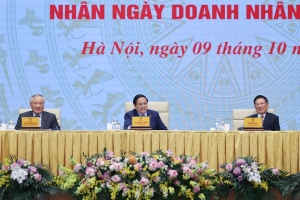
Prime Minister Pham Minh Chinh chaired a meeting on October 9 with top national business representatives on the occasion of Vietnamese Entrepreneurs’ Day (October 13).