The acquisition expands the group’s business portfolio and marks a strategic transformation towards multi-industry development, alongside its core sectors of steel, solar energy, real estate, and resort and hospitality services.

Thanh Nam completed the share transfer on March 3, acquiring a 98.3 per cent ownership stake in Vietnam Coffee Export JSC (Via Coffee). The deal is considered a long-term strategic move, enabling the group to enhance its competitiveness and gradually penetrate deeper into the agricultural export value chain-one of Vietnam’s most promising sectors.

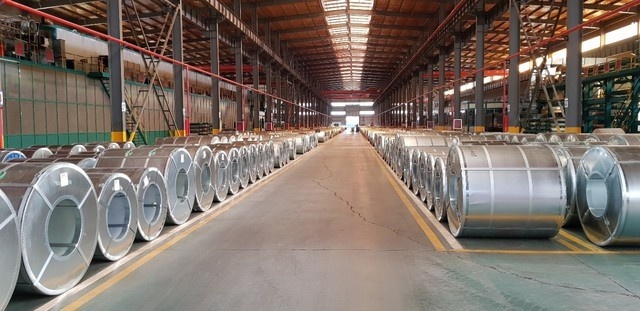
Thanh Nam’s development journey began in 2004 in the steel industry, with stainless steel as its flagship product. From the early stages, the company demonstrated strong adaptability to market dynamics, continuously innovating to maintain its competitive edge. In 2010, its slitting and cutting centre was put into operation, contributing to improved production capacity and a more complete supply chain.
Thanh Nam Group moves into coffee export market
Steel plant with outstanding production capacity – a solid financial pillar in the group’s multi-industry ecosystem

Building on this foundation, Thanh Nam gradually expanded its product portfolio to include cold-rolled steel, galvanised steel, electro-galvanised steel, and pickled hot-rolled steel – products that have become key pillars in the group’s long-term development strategy.

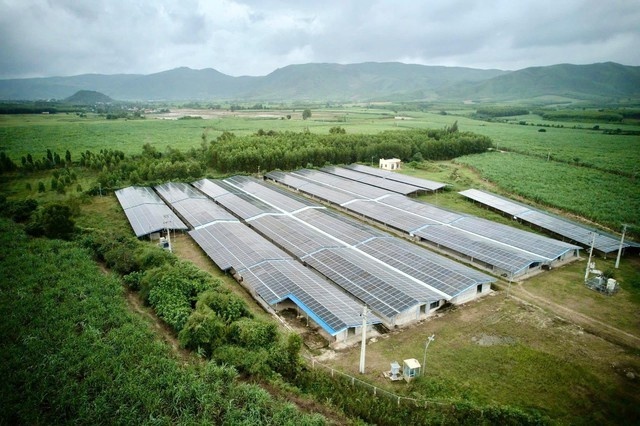
Entering a new phase of development, in 2020, Thanh Nam continued to invest in the energy sector with solar power projects in Phu Yen province (now part of Dak Lak province), marking an important milestone, positioning energy as one of the group’s key sectors alongside steel in its business structure.
Thanh Nam Group moves into coffee export market
The group’s solar power project in Phu Yen (now part of Dak Lak province) – a testament to its sustainable development strategy

In 2023, the board of directors announced the transition to a holding company model, with a strategic orientation towards multi-industry development, focusing on two key expansion areas: real estate and agriculture. From this point, Thanh Nam’s ecosystem has been gradually completed with strategic components.

Currently, the group has put into operation one of its two resort real estate projects, including Kien Hotel in Danang and Vuon Dao Hotel in Halong (currently under renovation), contributing to enhanced brand value and diversified revenue streams.

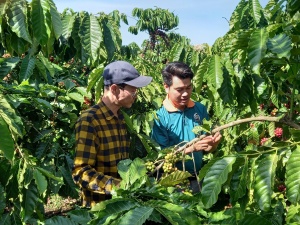
The deal with Via Coffee marks another significant milestone, bringing Thanh Nam into the coffee export sector. Via Coffee operates a network of three branches in Dak Lak, Quang Tri, and Son La – key raw material regions – and is planning to expand with an additional factory in Quoc Oai area in Hanoi to further complete its production and logistics network.

A key differentiator in Via Coffee’s strategy is the parallel development of both premium robusta and arabica product lines. This approach enables the company to flexibly cater to diverse customer segments and enhance its ability to penetrate international markets.

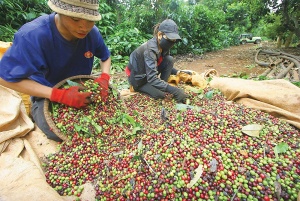
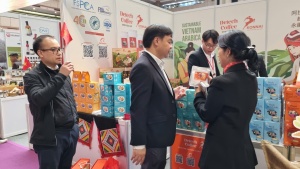
Despite being a relatively new entrant, Via Coffee has already recorded positive signals, becoming a partner in demanding markets such as the United States, Japan, Germany, Italy, Russia, Switzerland, the Netherlands, Mexico, and Algeria.
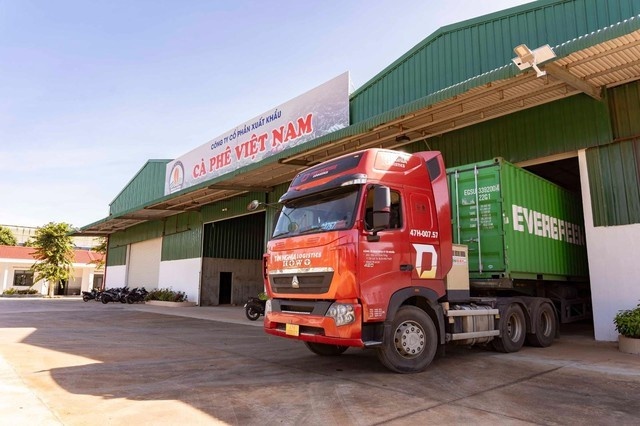
Thanh Nam Group moves into coffee export market
The first shipments departing for the United States and Europe – a testament to VIA COFFEE’s rapid market adaptability

Going beyond the export of green coffee beans, Thanh Nam also aims to build the Via Coffee brand for value-added products such as roasted coffee and instant coffee in the near future. This is considered a strategic move to increase product value and gradually elevate Vietnamese coffee in the global market.

After more than two decades of development, Thanh Nam has steadily built a multi-pillar ecosystem including steel, solar energy, real estate, resort and hospitality, and agriculture. This multi-industry strategy helps the company diversify risk while creating synergies across sectors, optimising capital efficiency and management capabilities.

The expansion into the coffee sector is not merely an investment move, it also reflects the company’s long-term vision and adaptive transformation mindset. In the context of a constantly evolving market, a selective development strategy aligned with core competitive advantages is helping Thanh Nam build a solid foundation for future growth.

Thanh Nam Group JSC

Address: Address: 3rd Floor, Tower A, Golden Palace Office Building, No. 99 Me Tri street, Tu Liem ward, Hanoi.

Hotline: (84-24) 3787 1396

Website: https://thanhnamgroup.com.vn/

Email: info@thanhnamgroup.com.vn

Cross-border e-commerce surge propels coffee exports Cross-border e-commerce surge propels coffee exports

As Vietnam advances its digital trade revolution, cross-border e-commerce is playing an increasingly vital role in economic expansion, especially for major export sectors like coffee.

Local coffee exporters work to improve recognition Local coffee exporters work to improve recognition

Vietnamese coffee exporters remain upbeat about the sector’s growth outlook.

Vietnam’s coffee exports set new record despite price pressures Vietnam’s coffee exports set new record despite price pressures

Vietnam’s coffee export turnover reached a record high of $7.94 billion in the first 11 months of 2025, far surpassing the previous peak of $5.6 billion recorded in 2024.

Vietnamese businesses face checkout inefficiencies in e-commerce

Asia now contributes 62.6 per cent to global e-commerce growth, according to Nielsen IQ, cementing the region’s role as the world’s primary engine of digital trade. However, financial services platform Payoneer’s latest research highlights a striking paradox: as businesses scale online, more revenue is being lost at checkout before transactions are completed.

Across Asia-Pacific, businesses lose an estimated $72 billion annually due to checkout inefficiencies, from abandoned transactions to fragmented payment flows and hidden transaction costs. In Vietnam, this challenge is becoming increasingly relevant as companies shift toward direct-to-customer (DTC) models and expand into cross-border trade.

For many Vietnamese businesses, moving toward independent webstores is a strategic response to rising marketplace fees and the need for greater control over customer relationships.

However, owning the channel is only part of the equation. Converting demand into completed transactions is where many businesses face losses. This is often referred to as checkout leakage: the revenue that disappears between a customer deciding to buy and the payment being successfully completed or settled. It typically results from three types of friction.

First, cart abandonment occurs when customers exit at the payment stage due to failed authorisations, limited payment options, or unexpected costs at the final step. Each abandoned cart represents not just lost revenue but also wasted marketing spend.

Second, transaction fees, especially from currency conversion, can quietly reduce margins on cross-border transactions. At scale, these small deductions add up to a meaningful drag on profitability.

Third, settlement delays occur when funds take days or weeks to clear. As a result, businesses face cash-flow gaps that affect inventory purchases, advertising cycles, and supplier payments.

As customer acquisition costs continue to rise, businesses should broaden their focus from just attracting more traffic to capturing more value from existing demand.

According to Payoneer’s research, small or mid-sized DTC businesses generating $2–5 million annually could recover approximately $20,000 per year by optimising checkout performance alone. For many businesses, that amount can offset key operational expenses such as advertising, software subscriptions, or supplier payments.

Traditionally, checkout has been treated as a back-end technical function. Today, it is emerging as a direct driver of conversion rates, margins and cash-flow performance. Solutions like Payoneer Checkout, which is provided by Stripe Inc., are designed to address these inefficiencies by enabling a more integrated payment flow across markets and currencies.

By allowing businesses to collect, hold, and redeploy funds within a single ecosystem, this approach reduces reliance on external intermediaries and minimises repeated currency conversions.

The impact is measurable. Optimised payment infrastructure can achieve conversion rates of up to 95 per cent, increasing the proportion of completed transactions without additional marketing spend.

For Vietnamese exporters generating $10-20 million in annual cross-border revenue, this can translate into $120,000-$150,000 in recoverable value per year, alongside a 10-15 per cent improvement in earnings before interest, taxes, depreciation, and amortisation, according to the report.

Payment infrastructure is no longer just an operational consideration. It is becoming a strategic and regulatory priority. As Vietnam strengthens its position in global digital trade, businesses that address checkout inefficiencies will recover lost revenue while build a stronger operational foundation for sustainable cross-border growth.

Southeast Asian e-commerce market hit $157 billion in 2025 Southeast Asian e-commerce market hit $157 billion in 2025

Southeast Asia’s e-commerce gross merchandise value (GMV) grew 22.8 per cent on-year in 2025 to reach $157.6 billion, as leading platforms returned to growth while continuing to improve infrastructure, fulfilment, and customer experience, according to Momentum Works.

Shopee and TikTok Shop account for 8 per cent of Vietnam’s retail market Shopee and TikTok Shop account for 8 per cent of Vietnam’s retail market

In 2025, transaction value on Shopee and TikTok Shop exceeded $16.3 billion, equivalent to nearly 8 per cent of Vietnam’s total retail market.

Vietnam's retail market tops $269 billion in 2025 amid e-commerce boom Vietnam’s retail market tops $269 billion in 2025 amid e-commerce boom

Vietnam’s retail market recorded a five-year high in revenue, reaching $269 billion in 2025, according to the Vietnam Domestic Market Report 2025 released by the Ministry of Industry and Trade.

Vietnam's auto sector to benefit from Hyundai, KOICA training deal

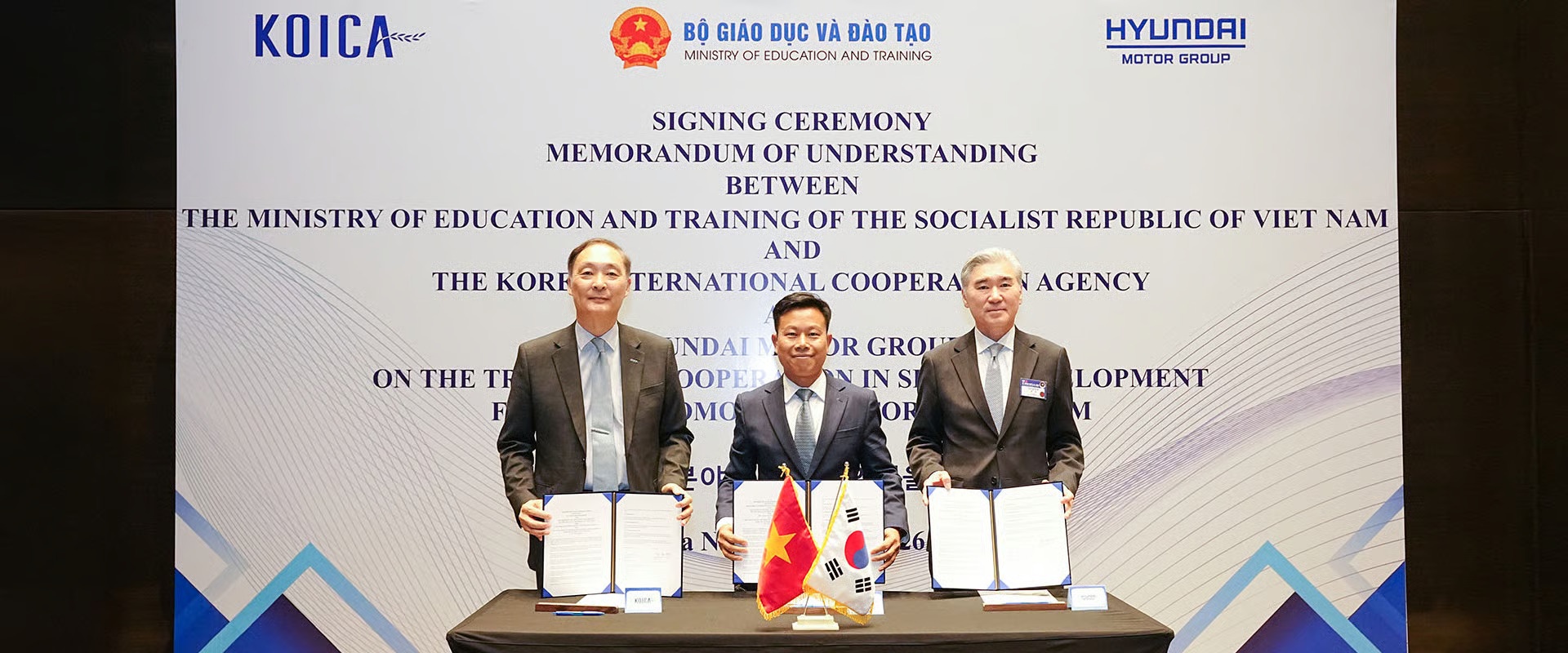
On April 24, the group signed an MoU with the Korea International Cooperation Agency (KOICA) and the Ministry of Education and Training (MoET), pooling technical expertise, curriculum resources, and training infrastructure to equip Vietnam with the necessary human capital.

Sung Kim, president and head of Strategic Planning Division at Hyundai Motor Group, said, “Vietnam’s automotive market is growing fast, and the demand for skilled professionals is growing with it. By combining Hyundai Motor Group’s expertise in workforce development with KOICA’s capabilities in development cooperation, we aim to give Vietnamese students real educational opportunities and build a virtuous cycle from classroom to career in the automotive industry.”

Won Sam Chang, president of KOICA, said, “This MoU marks an important step in building a trilateral partnership between industry, government and academia. We are committed to strengthening Vietnam’s workforce capabilities and helping its automotive sector grow in line with the country’s long-term development goals.”

Le Quan, Deputy Minister of Education and Training, noted, “Vietnam faces a growing need for skilled automotive professionals, and this partnership offers a meaningful path forward. The MoET is fully committed to supporting this initiative and will look to build on it with additional policies that advance specialised talent development across the sector.”

This workforce initiative is the latest expression of Hyundai Motor Group’s long-term investment in Vietnam – a market experiencing rapid growth driven by its young, dynamic workforce and advancing industrial capabilities.

As a top automotive manufacturer in Vietnam operating the joint venture Hyundai Thanh Cong Vietnam Auto Manufacturing Corporation, Hyundai Motor Group considers Vietnam a cornerstone of its ASEAN strategy and has maintained strong local production and sales operations in the country.

Beyond the automotive sector, the group has built an extensive social contribution portfolio in Vietnam, spanning education and environmental restoration. Launched in Vietnam in 2020, the Hyundai Jump School Vietnam pairs university student mentors with disadvantaged youth to provide scholarships and career mentoring. To date, 530 mentors trained and 2,886 young people supported.

Meanwhile, Chung Mong-Koo Foundation Global Scholarship supports talented students from Vietnam and seven other ASEAN nations with fully funded study in South Korea – $16,800 per recipient annually, plus corporate networking opportunities. To date, approximately 100 Vietnamese students have benefited from this scholarship programme.

In addition, IONIQ Forest is a mangrove reforestation project in the Ca Mau region of the Mekong Delta, delivered in partnership with local communities. 80,000 trees planted in 2025, supporting biodiversity conservation and climate resilience.

Hyundai Jump School Education Volunteer officially launched in Vietnam Hyundai Jump School Education Volunteer officially launched in Vietnam

Hyundai Motor Group has just held the launching ceremony of Hyundai Jump School Education Volunteer in Vietnam, marking the first time the programme is launched outside Korea, and Vietnam has been selected as the first destination.

Hyundai Thanh Cong 2 automobile plant breaks ground in Ninh Binh Hyundai Thanh Cong 2 automobile plant breaks ground in Ninh Binh

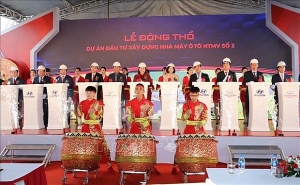
Thanh Cong Group and Hyundai Motor co-held a ground-breaking ceremony for an automobile manufacturing facility which has designed capacity of 100,000 units per year, in the northern province of Ninh Binh on September 20.

Vietnam and South Korea roll out cross-border QR payment service Vietnam and South Korea roll out cross-border QR payment service

BIDV has launched a cross-border QR payment service between Vietnam and South Korea, enabling QR codes in Vietnam to serve as hubs for international transactions.

The bonds, filed on April 9, are unsecured, non-convertible, and non-warrant-linked instruments denominated in US dollars, constituting a direct payment obligation of the issuer. They carry an option allowing holders to receive shares in Vinpearl JSC, which is owned by Vingroup.

The offering comprises a maximum of 1,750 bonds at a par value of $200,000 each, with an expected coupon of up to 5.75 per cent per annum and a five-year tenor from the date of issuance. The bonds are expected to be listed on the Vienna Stock Exchange in Austria and will not be offered or listed in Vietnam. Issuance is targeted for the second quarter, subject to market conditions and regulatory approvals.

Vingroup set for $350 million international bond issuance
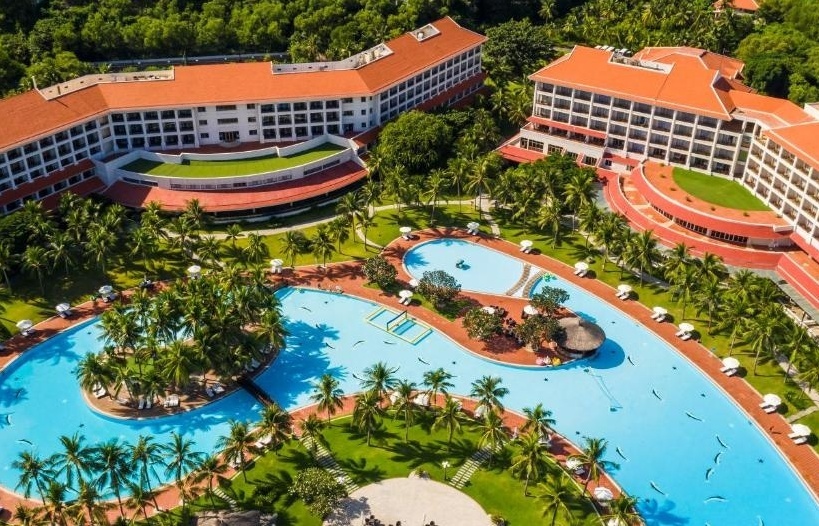
A hospitality complex operated by Vinpearl. Photo: Vingroup

As of the end of 2025, Vingroup carried total debt of VND338 trillion ($13.3 billion), in which dollar-denominated debt accounted for 19.1 per cent of the total.

Net debt to earnings before interest, taxes, depreciation, and amortisation (EBITDA) stood at 2.7 times in 2025, up from 2.3 times in 2024. The EBITDA-to-interest-expense coverage ratio was 3.0 times in 2025, an increase from 2.9 times.

For 2026, Vingroup plans to achieve net revenue of $17.7 billion and net profit after tax of $984.3 million, representing an increase of 35.6 per cent and 125.9 per cent respectively compared to 2025.

VinFast – an electric vehicle manufacturer and a member unit of Vingroup – has set a target of 300,000 electric vehicle deliveries and approximately 1 million electric motorcycle units. The latter represents at least 2.5 times the volume recorded in 2025, with market expansion planned in the United States and Europe.

Real estate developer Vinhomes – a member of the Vingroup ecosystem – plans to drive strong net revenue growth through ongoing large-scale developments and new project launches in Ho Chi Minh City, Danang, and Quang Ninh.

Meanwhile, Vinpearl – a premium hospitality and resort brand within the Vingroup ecosystem – aims to grow revenue through higher room occupancy, expanded on-site services, accelerated meetings and events offerings, and the launch of the Tuyen Quang hospitality complex.

At the group level, Vingroup stated it intends to develop three new business pillars in infrastructure, green energy, and culture, alongside its existing real estate, industrials, and social enterprise segments.

Vingroup merges GSM and Green Future Vingroup merges GSM and Green Future

On February 28, Vingroup announced the merger between Green and Smart Mobility JSC and Green Future Trading and Services JSC.

Vingroup launches customer support program amid fuel cost increases Vingroup launches customer support program amid fuel cost increases

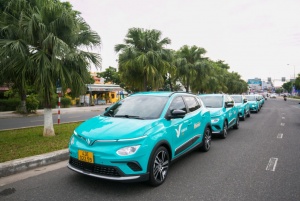
The Vietnamese conglomerate introduced financial assistance initiatives for consumers facing higher transportation and energy expenses.

ACV and Vingroup tie up to advance green transition and airport development ACV and Vingroup tie up to advance green transition and airport development

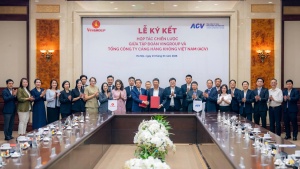
On March 23, Airports Corporation of Vietnam and Vingroup formally signed a comprehensive MoU to boost green transformation across Vietnam’s airport system through the deployment of clean energy solutions and sustainable mobility initiatives.

The targets were announced at the group’s shareholders’ meeting on April 15, where it also projected before-tax profit of VND3.24 trillion ($129.6 million) – equal to the 2025 figure – and after-tax profit of VND2.58 trillion ($103.2 million), a slight decrease of 2 per cent.

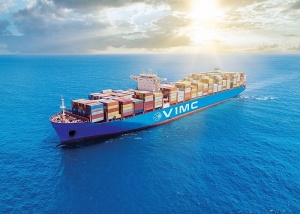
Vietnam Maritime Corporation (VIMC) aims to maintain stable growth across its business lines this year, with maritime transport volume projected at close to 23.8 million tonnes (up 10.5 per cent) and port cargo volume at just over 180 million tonnes (up 11 per cent).

VIMC sets $887m revenue target for 2026, invests in Can Gio Port
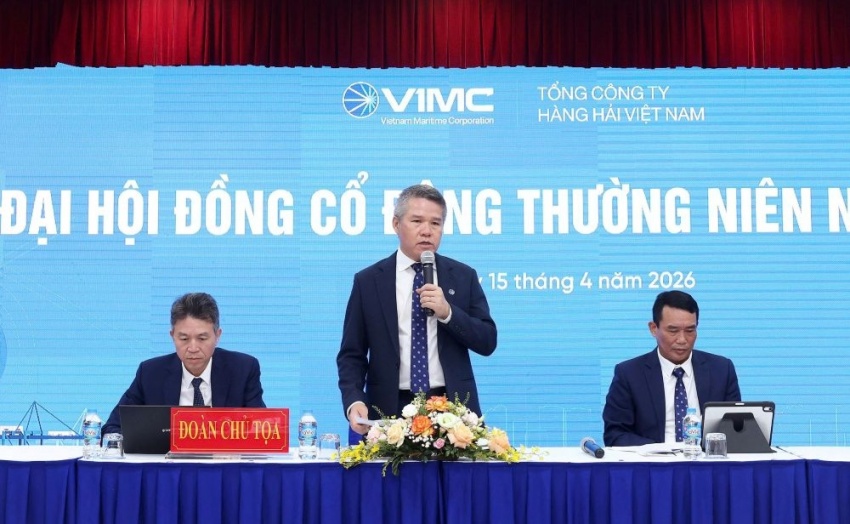
Nguyen Canh Tinh, chairman of VIMC. Photo: VIMC

VIMC plans to focus its 2026 investments on strategic infrastructure projects and new services, including contributing capital to the Can Gio International Transshipment Port, developing air cargo transportation services, researching investment opportunities in shipbuilding or ship repair facilities, and joining investment in Quy Nhon Port.

At the shareholders’ meeting on April 15, chairman Nguyen Canh Tinh announced that VIMC will contribute $280 million to the Can Gio Port venture. VIMC is part of a consortium – which also includes Saigon Port and Terminal Investment Limited Holding – that has been selected to invest in the project.

Terminal Investment Limited Holding, a member of Swiss shipping and logistics giant MSC, will contribute 46 per cent of the consortium’s capital, while VIMC and Saigon Port hold 36 per cent and 15 per cent, respectively.

Tinh said the Can Gio project is of particular importance to socioeconomic development, contributing to national competitiveness and logistics system improvements, and aligns with the corporation’s marine economy and deepwater port investment strategy.

“Because this is a large, key undertaking, depending on the ability to mobilise resources, the corporation will balance the investment capital structure, possibly considering an equity-to-loan ratio of 30/70 to ensure investment efficiency, capital preservation, and development,” Tinh said

VIMC secures Top 10 Vietnam Gold Star award via its five core values VIMC secures Top 10 Vietnam Gold Star award via its five core values

Throughout its 30-year history, shipping giant Vietnam Maritime Corporation (VIMC) has maintained its solid position in the maritime transport industry, achieving numerous significant accomplishments, particularly the honour of being among the Top 10 Vietnam Gold Star Award winners in 2024.

International port developers eye Vietnam's potential International port developers eye Vietnam’s potential

International port operators are seeking business opportunities in Vietnam by boosting cooperation with local partners.

Delo Group, VIMC sign deal to develop Russia-Vietnam maritime transport Delo Group, VIMC sign deal to develop Russia-Vietnam maritime transport

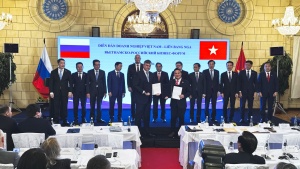
Russia’s Delo Group and Vietnam Maritime Corporation signed an MoU on the sidelines of the Vietnam-Russia Business Forum in Moscow on March 24.

Swiss-funded GEVA programme boosts Vietnam's green agricultural exports

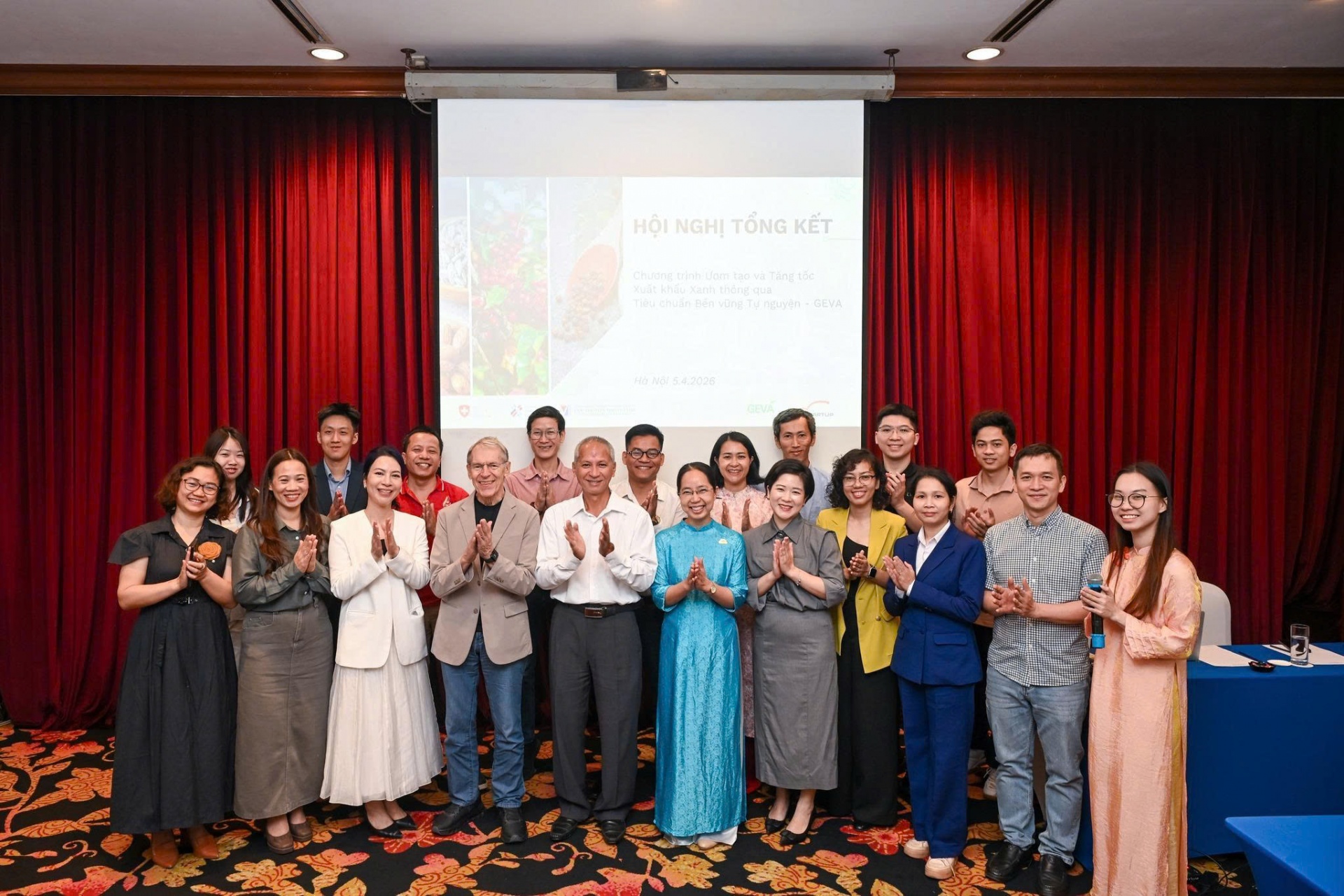
The Green Export Incubation and Acceleration Programme through Voluntary Sustainability Standards (GEVA) held its closing conference on April 5. Funded by the Swiss government and co-managed by the International Trade Centre (ITC) and the Vietnam Trade Promotion Agency, the initiative was implemented by KisStartup JSC.

The event was attended by representatives from the Trade Promotion Agency, the ITC in Vietnam, experts, project partners, more than 10 businesses (representing 25 participating companies), and media agencies.

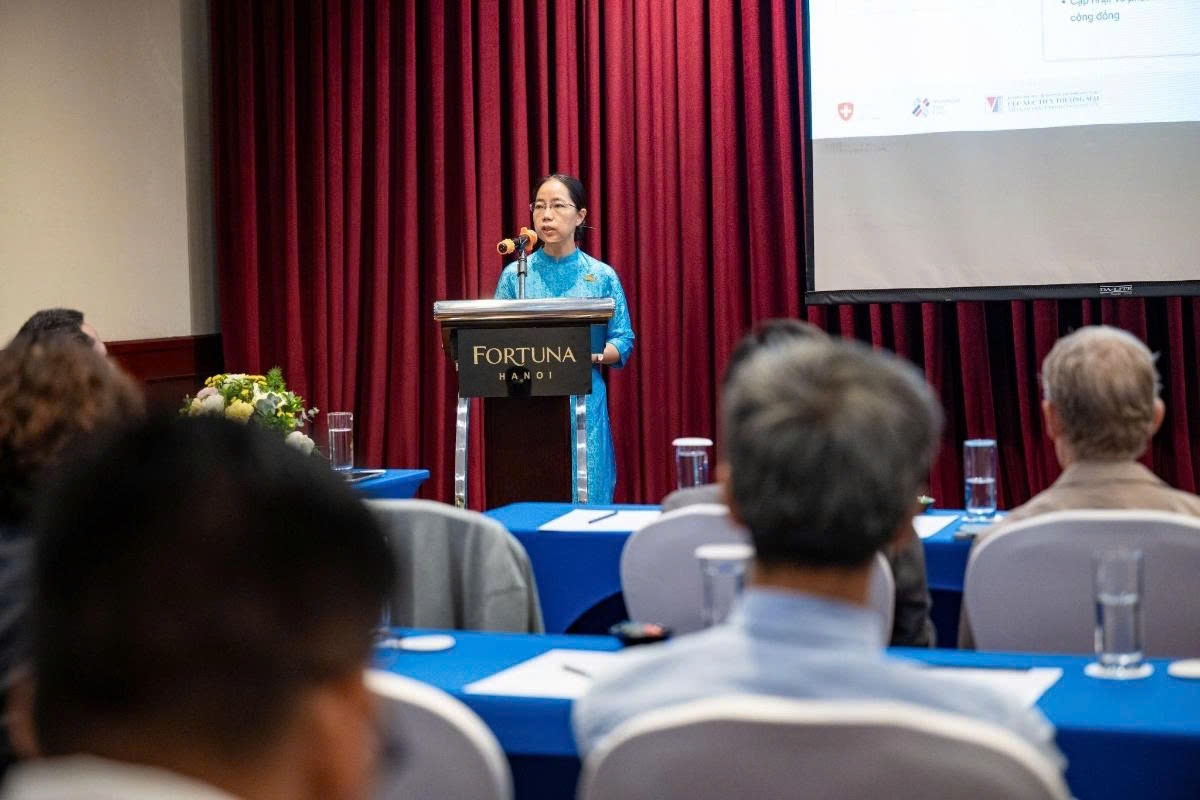
Nguyen Dang Tuan Minh, CEO of KisStartup, said, “After one year, participating businesses have demonstrated clear progress in both mindset and action. KisStartup aims to further develop green export support services to accompany Vietnamese enterprises over the long term.”

Luu Trong Hieu, project coordinator of GEVA, said the initiative has delivered several notable results. “It launched three self-assessment toolkits on the greenexport.vn platform, covering green business models, VSS compliance, and green export readiness,” he said. “Five training courses were organised in Hanoi, Ho Chi Minh City, Ben Tre, Dak Lak, and Gia Lai, attracting 485 participants.”

The programme also selected 25 businesses for the incubation and acceleration scheme, providing more than 270 hours of in-depth one-on-one consulting across seven thematic areas, along with field assessments conducted at 15 enterprises.

In terms of green export market connections, GEVA supported 17 businesses to participate in the Vietnam Sourcing Expo 2025, five businesses at the Taiwan Lunar New Year Fair 2026, and trade promotion activities at VIPO 2026, along with four online matchmaking conferences with partners from Taiwan, Canada, the EU, and Japan. These outcomes have enabled businesses to meet standards while building sustainable competitive advantages.

Bui Khanh Tung from the Centre of Organic Agriculture Development and Support said standards should be seen as a foundation for sustainable business growth, not a burden. Within GEVA, businesses were equipped with three practical tools to self-assess their level of greenness, resilience, and export readiness.

“Although Vietnamese agricultural products are present in many global markets, most high-value segments remain controlled by foreign distributors,” he said. “Vietnamese businesses need to take a more proactive approach in enhancing capabilities and rigorously adopting sustainability standards to meet market requirements and gradually position themselves in higher-value segments.”

Vu Thu Van, CEO of Richard Moore Associates (RMA) – the branding consultancy partner for the programme – said she fully understands the challenges businesses face in brand building.

“While many companies have refreshed their image, building a brand is a long-term journey,” she said. “Many still struggle to differentiate between domestic and export markets and have yet to develop systematic strategies. RMA aims to bridge this gap by helping businesses redefine their brand stories and core values.”

Swiss-funded GEVA programme boosts Vietnam's green agricultural exports
Nguyen Dang Tuan Minh, CEO of KisStartup

KisStartup’s Minh noted that RMA experts identified two major limitations among businesses: weak digital export capabilities, particularly in websites and sales channels, and a lack of compelling impact stories.

“A Canadian importer once remarked that the market is saturated and in need of new stories,” Minh said. “This is precisely the gap that GEVA has helped businesses address.”

After a year with GEVA, participating businesses have seen tangible progress in both green export practices and sustainable development. Many have strengthened their export capabilities, refined brand positioning, and gained a deeper understanding of international market expectations, particularly around sustainability and green consumption trends.

For Detech Coffee, GEVA has played a key role in enhancing export readiness and market insight. “We now better understand customer requirements and green consumption trends, especially after participating in the Taiwan Lunar New Year Fair 2026,” said Le Thi Hang, deputy director of Detech Coffee.

At Ede Cafe, the transformation has been more strategic. “We have shifted our mindset towards green exports, clarified our core values, and built a more consistent brand story,” Y Nie Pot, director of Ede Cafe, said. The company has since successfully exported coffee to the United States.

Meanwhile, Red River Spices reported concrete business outcomes. After joining the Taiwan Lunar New Year Fair 2026 through GEVA, the company successfully shipped its first export container to Taiwan, marking an important milestone in its green export journey.

For SAOLA, the initiative helped strengthen communication and market expansion efforts. “Field visits supported us in expanding our growing areas and building greater confidence in our export strategy,” said Pham Nguyen Thanh, director of SAOLA.

At Pearl Group JSC, GEVA supported a more focused communication strategy and clearer sustainability narrative. According to deputy CEO Tran Phuoc Hau, the company is now better positioned to reach target customers and is preparing to expand into new product lines, including coffee and instant pho, with continued support from the project.

Beyond these examples, other participating businesses – including DACE, Essence Forest, RainCoffee, and The Cil Coffee – have also made significant strides, refining their brand stories, pursuing green certifications, and adopting more circular and sustainable business models.

GEVA marks not just the conclusion of a one-year initiative, but the beginning of a new phase for Vietnamese businesses on their green export journey. With stronger capabilities and clearer direction, participating businesses are now better positioned to bring sustainable products, authentic stories, and Vietnamese values to global markets.

KisStartup reaffirmed its long-term commitment to supporting a green export business community in Vietnam. “Starting with more than 20 purpose-driven businesses, we have begun shaping Vietnam’s green export journey – and we will continue to build it together,” Minh said.

Voluntary Sustainability Standards pave way for Vietnam’s agricultural exports Voluntary Sustainability Standards pave way for Vietnam’s agricultural exports

A single rejected shipment can take years for an exporter to rebuild trust with international partners, and may even tarnish the reputation of an entire sector. By contrast, exporters that consistently meet required standards can benefit from “green lane” clearance, enjoying faster inspections and lower logistics costs.

From standards to strategy: building Vietnam’s green export capability From standards to strategy: building Vietnam’s green export capability

Sustainability standards alone are not enough–Vietnamese enterprises must integrate them into market-driven business models to unlock real export opportunities.

GEVA boosts Vietnam’s green export push GEVA boosts Vietnam’s green export push

Against the backdrop of increasingly stringent international market requirements regarding quality, traceability, and sustainability standards, strengthening the capacity of Vietnamese enterprises and supporting their access to green export markets has become a critical priority.

First-quarter growth hits record high despite global volatility

According to Dragon Capital, Vietnam’s growth momentum strengthened in March following Lunar New Year normalisation, reinforcing confidence that the expansion remained firmly intact through the first quarter of 2026. GDP grew 7.8 per cent on-year in the first quarter, with industry and construction rising 8.9 per cent and services 8.2 per cent, highlighting that growth is not solely reliant on exports and manufacturing, but is increasingly supported by services and domestic demand.

The confirmation of Vietnam’s leadership structure reinforces political stability and policy continuity, providing investors with clearer economic visibility over the next five-year government cycle. Nonetheless, global markets turned more volatile following the escalating Iran conflict in early March, shaping near-term sentiment despite Vietnam’s stable macro fundamentals, placing downward pressure on the VN-Index.

Industrial activity remained a key pillar. The Index of Industrial Production (IIP) increased 9 per cent on-year in the first quarter, with manufacturing expanding 9.7 per cent and driving the majority of growth. March recorded a strong rebound, with IIP rising 18.8 per cent from a month ago and 6.9 per cent on-year.

Business conditions remained expansionary, with Purchasing Managers’ Index moderating to 51.2 from 54.3 in February, reflecting normalisation from a high base rather than weaker demand. Expansion remained broad-based across sectors, including metals (up 22.9 per cent), non-metallic minerals (up 19.7 per cent), chemicals (up 18.2 per cent).

Domestic demand remained firm. Retail sales and services revenue rose 12.1 per cent on-year in March and 10.9 per cent in the first quarter, reaching approximately $72.3 billion. Accommodation and food services increased 13.3 per cent on-year, while tourism-related services grew 12.5 per cent, supported by seasonal demand and continued recovery in travel activity.

This trend supports earnings visibility for consumer-facing sectors, which have become an increasingly important driver of market performance in recent years, and reinforces consumption as a stable and increasingly important support to economic expansion.

Dragon Capital noted that investment and external activity continued to underpin expansion. Goods exports rose 19.1 per cent on-year in the first quarter, while imports increased 27 per cent, reflecting strong trade demand. Business formation remained active, with over 57,000 new enterprises (up 57.8 per cent on-year) and registered capital of approximately $20.5 billion. Including firms restarting operations, total active additions reached around 96,000 (up 31.7 per cent), highlighting continued private-sector dynamism.

The consumer price index rose 4.6 per cent on-year in March, the highest March reading in five years, bringing the first quarter average inflation to 3.5 per cent on-year, driven mainly by higher fuel prices amid US-Iran tensions. However, both remain within the government’s 4.5–5.0 per cent target, preserving policy flexibility to absorb external shocks.

In addition, equity markets turned more volatile in March, entering a corrective phase after the strong rally earlier in the year. The VN-Index declined 11.9 per cent on-month in total return USD terms as global markets priced in geopolitical tensions. The correction was sector-agnostic, suggesting a broad derisking rather than specific weakness.

Average daily trading value remained resilient at around $1.3 billion, supported by domestic participation, while foreign flows remained intermittent. By month-end, the VN-Index stabilised from its lows, suggesting the adjustment was driven primarily by external factors rather than any change in domestic fundamentals.

World Bank forecasts Vietnam GDP growth of 6.3 per cent World Bank forecasts Vietnam GDP growth of 6.3 per cent

The World Bank Group’s April 8 EAP Economic Update forecasts Vietnam is expected to grow by 6.3 per cent in 2026, supported by strong public and private investment, and sustained FDI inflows.

Vietnam’s growth resilient amid global challenges Vietnam’s growth resilient amid global challenges

Vietnam’s economy is forecast to grow by 7.2 per cent in 2026 and 7 per cent in 2027, from 8 per cent in 2025, despite rising external risks amid heightened global uncertainty, according to a new report released today by the Asian Development Bank on April 10.

Vietnam GDP projected to grow 7.4 per cent in 2026 Vietnam GDP projected to grow 7.4 per cent in 2026

The ASEAN+3 Macroeconomic Research Office on April 6 released its annual flagship report, the ASEAN+3 Regional Economic Outlook 2026, projecting Vietnam’s GDP growth of 7.4 per cent in 2026.

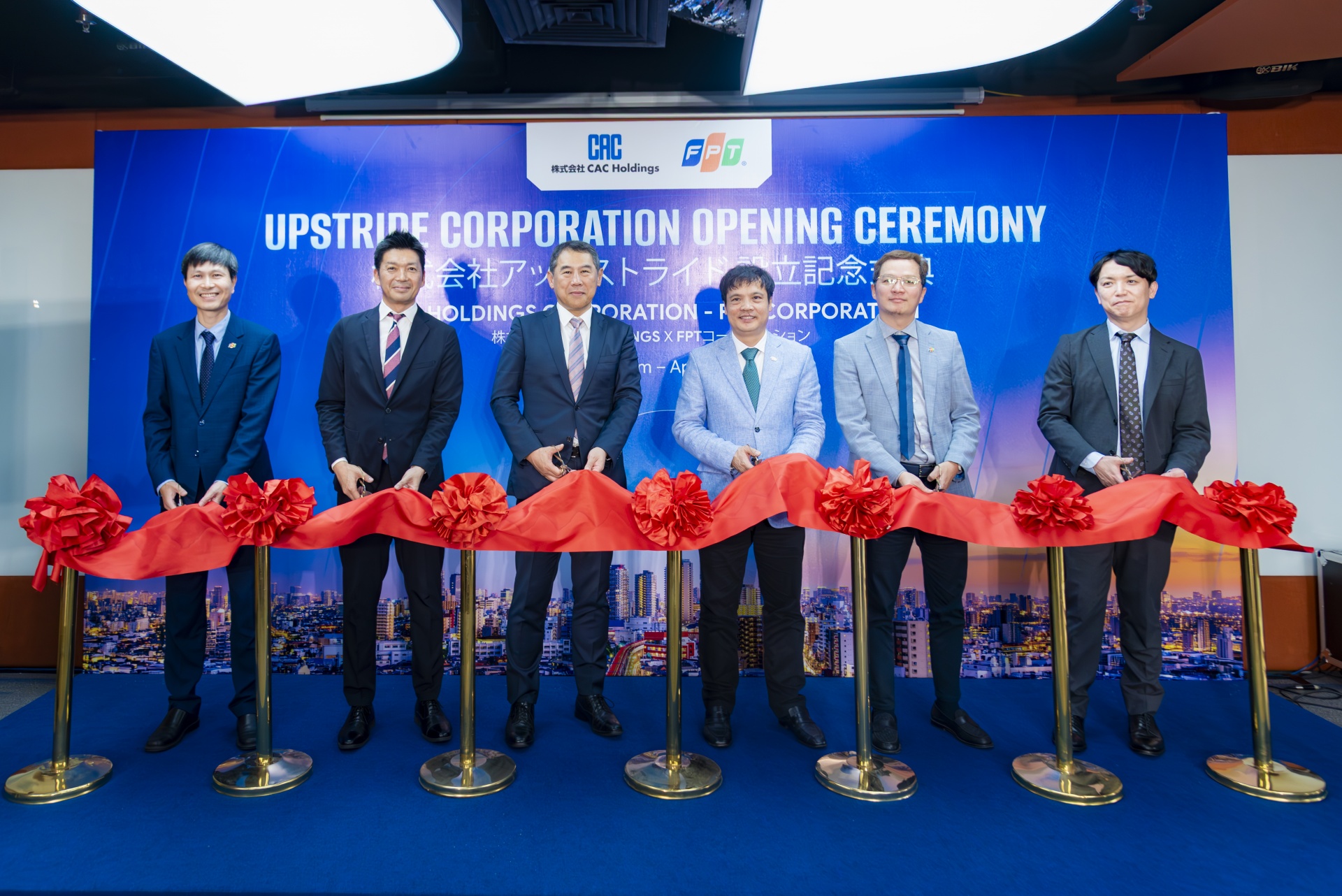
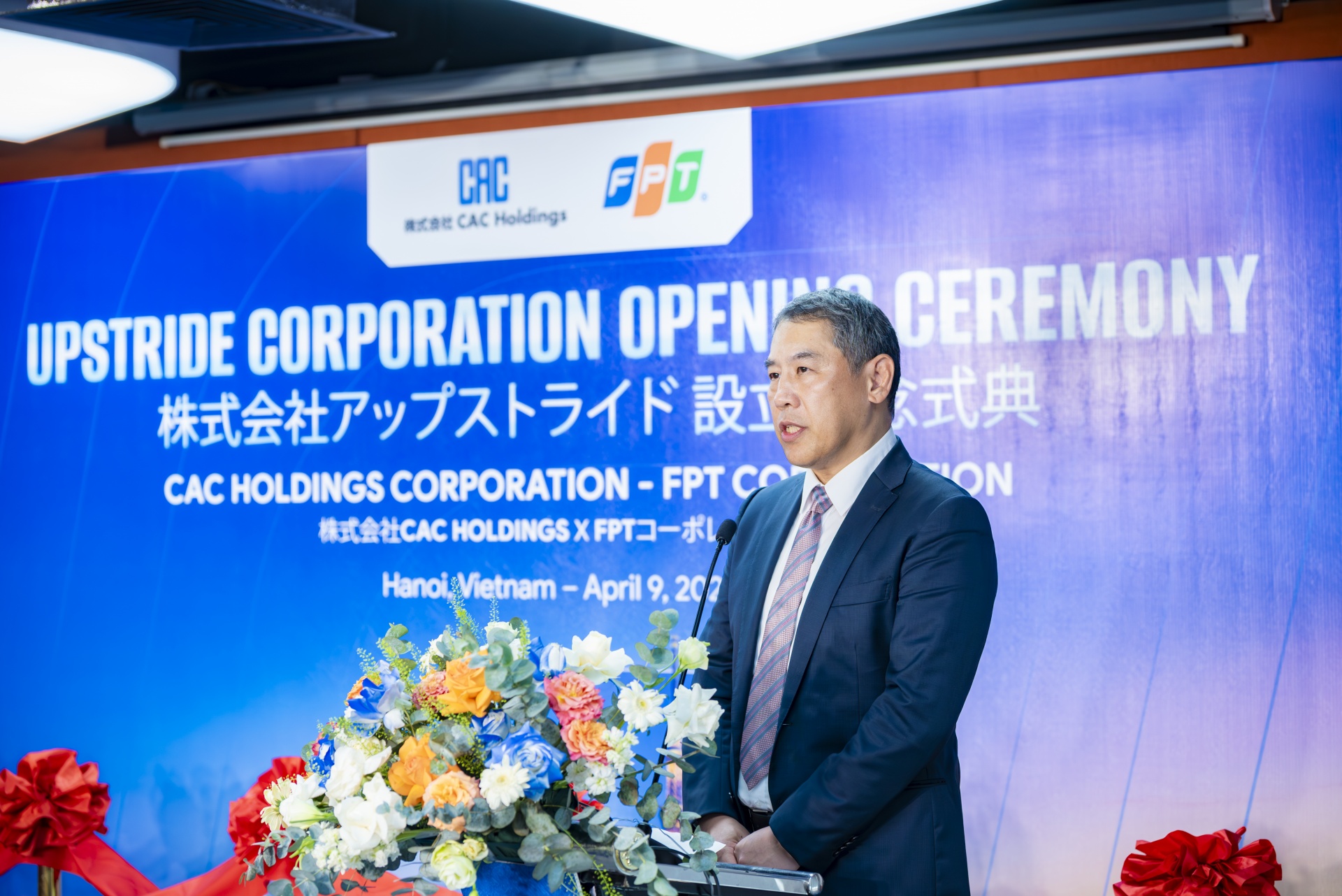
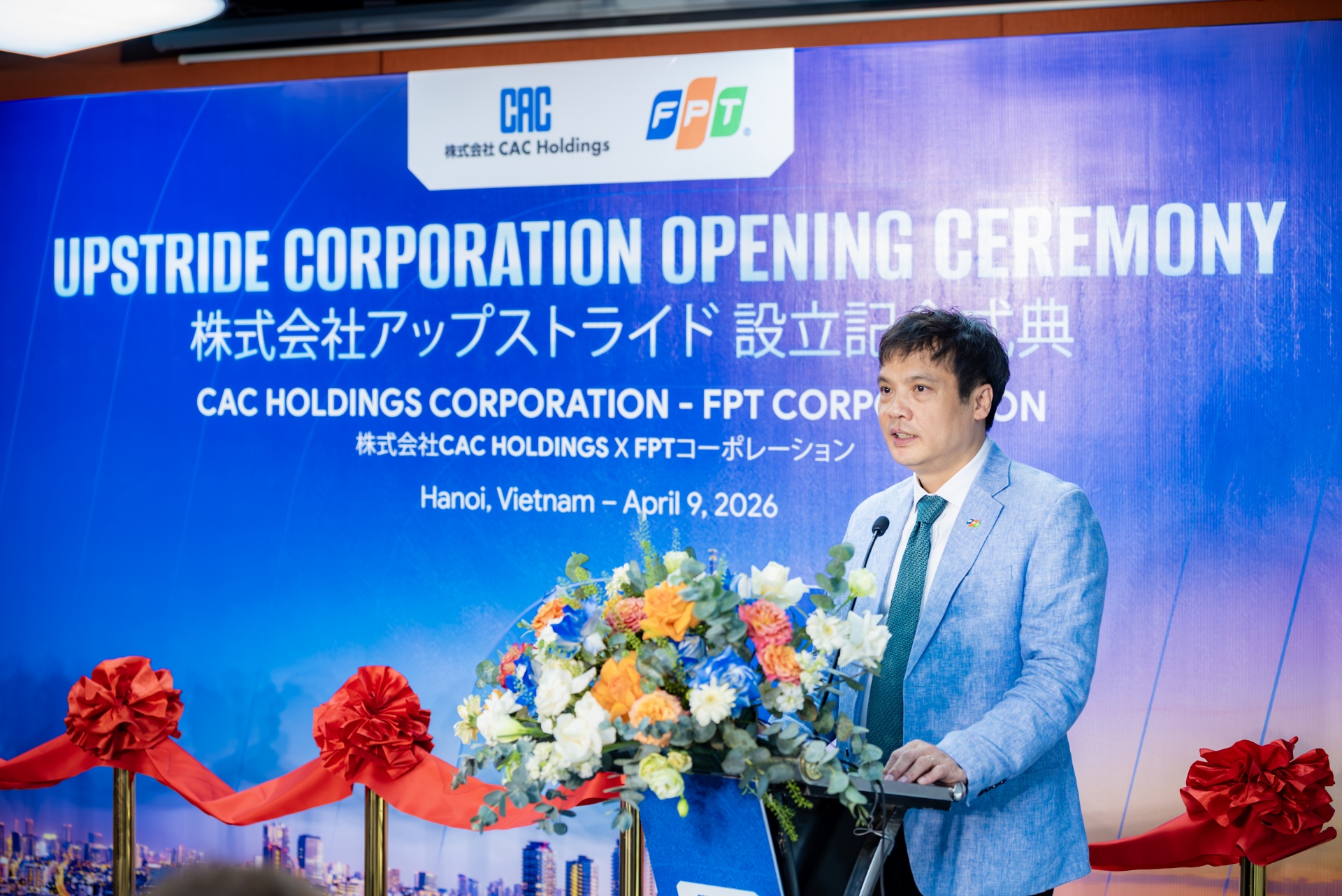
FPT Corporation and CAC Holdings – one of Japan’s leading IT service providers – has recently announced a joint venture (JV) to establish UPSTRIDE JSC focusing on building, operating, and monitoring IT infrastructure, as well as deploying and developing technology products.

The collaboration is expected to leverage the combined strengths in technology, expert workforce, product-service ecosystems, and global partner networks of both parties to effectively capture opportunities in Japan and the ASEAN region.

Under the agreement, FPT and CAC Holdings will establish UPSTRIDE JSC in Tokyo, Japan, with CAC Holdings and FPT holding 51 per cent and 49 per cent stake, respectively.

FPT and CAC Holdings announce new joint venture in Japan
FPT and CAC Holdings establish UPSTRIDE JSC to drive regional digital transformation.

This model maximises the complementary strengths between FPT’s deep technological capabilities and large-scale engineering resources, and CAC Holdings’ more than 60 years of experience in the Japanese market.

UPSTRIDE will focus on three strategic pillars: expanding and commercialising FPT’s products and solutions in Japan; building and delivering comprehensive IT infrastructure services (including operations, monitoring, and technical support) leveraging combined resources from Vietnam and Japan; and developing new areas such as GPU cloud services and semiconductor-related businesses, aligned with FPT’s long-term technology strategy.

FPT and CAC Holdings announce new joint venture in Japan
Ryota Nishimori, president and representative director of CAC Holdings, described UPSTRIDE as a ‘global circulation of technology and talent’

Ryota Nishimori, president and representative director of CAC Holdings Corporation, expressed pleasure over the establishment of the joint venture in partnership with FPT Corporation.

“Over the past 60 years, the CAC Group has built a strong technological foundation and customer base in Japan’s IT market. This joint venture represents a ‘global circulation of technology and talent,’ combining our accumulated business expertise with FPT Group’s strength in its abundant IT human resources. With the aspiration embodied in the name ‘UPSTRIDE,’ we look forward to working together with the FPT to create new value,” he said.

FPT and CAC Holdings announce new joint venture in Japan
Nguyen Van Khoa, CEO of FPT Corporation, expressed his expectations for their deal

Nguyen Van Khoa, CEO of FPT Corporation, stated that after more than two decades of presence in Japan, FPT had become one of the largest foreign-invested technology enterprises in the market, affirming its pioneering position in Japan’s technology value chain.

“I believe that with our capabilities in research, development, and mastery of strategic technologies, the Made-by-FPT ecosystem addressing diverse digital transformation needs across key sectors, combined with CAC Holdings’ deep understanding of the Japanese market and global partner network, we will jointly deliver internationally standardised technology products and services to Japan and ASEAN,” he said.

The partnership between FPT and CAC Holdings aims to meet the growing demand for digital transformation in Japan and ASEAN.

According to Mordor Intelligence, Japan’s digital transformation market is projected to reach $236.48 billion by 2030, with a compound annual growth rate of 24.9 per cent from 2025-2030.

As IT systems become increasingly complex, Japanese businesses are shifting from self-operated models to managed services to ensure performance, security, and cost optimisation.

At the same time, Japan considers semiconductors a strategic pillar of its digital economy and technological security.

The Japanese government aims to increase domestic chip revenue to approximately $250 billion by 2040, multiple times its current level, to meet growing demand from AI, data centres, and smart automotive industries.

Meanwhile, IT infrastructure management services, semiconductor ecosystem development, and AI are among FPT’s core strengths.

In IMS, FPT provides end-to-end monitoring and management services across IT infrastructure, application platforms, and information security, serving hundreds of large enterprises and multinational clients in Vietnam, Japan, South Korea, China, and the United States.

In response to cloud computing trends, FPT has also launched Cloud Managed Services to help businesses build secure, internationally standardised cloud operating platforms.

FPT has established two AI factories in Vietnam and Japan. The ‘Made by FPT’ AI ecosystem currently includes more than 80 products.

In semiconductors, FPT has over a decade of experience, developing a comprehensive ecosystem covering design, packaging, testing, and training, with a focus on power and power management chips.

At the end of 2025, FPT delivered its first commercial batch of power chips to a leading Japanese electronics company through Restar, a major electronics distributor in Japan.

Recently, FPT also established Vietnam’s first semiconductor testing and packaging factory, fully operated by Vietnamese engineers.

Founded in 1966, CAC Holdings is a leading technology group in Japan with 22 member companies and nearly 5,000 employees. The company has expanded internationally to markets including the United States, Europe, China, and across Asia.

FPT is a global technology corporation, actively investing in five strategic technologies: Quantum AI, cybersecurity, UAV, data, and railway technologies.

In 2025, FPT recorded revenue of $2.66 billion, with over 54,000 employees across 30 countries and territories. In Japan, FPT currently has 5,000 employees working at 18 offices and R&D centres nationwide, along with more than 15,000 global experts dedicated to the Japanese market, providing technology services and solutions to over 450 clients.

Abbott, FPT Long Chau partner to improve Vietnam’s healthcare sector Abbott, FPT Long Chau partner to improve Vietnam’s healthcare sector

Abbott has teamed up with FPT Long Chau, a leading pharmaceutical retailer, to fight non-communicable diseases.

FPT exports first chip shipment to Japan FPT exports first chip shipment to Japan

Tech major FPT Corporation has delivered its first commercial shipment of power chips to a Japanese electronics corporation through Restar Corporation, a Japanese trading company for semiconductors and electronic components.

FPT partners with Plume for Vietnamese home Wi-Fi optimization FPT partners with Plume for Vietnamese home Wi-Fi optimization

The Vietnamese technology conglomerate integrated the American company’s cloud-managed networking platform to improve residential internet service quality.

Vietnam’s growth resilient amid global challenges

The Asian Development Outlook April 2026, Asian Development Bank (ADB)’s flagship annual economic publication, maintains a positive outlook for Vietnam over the near term. Strong exports ahead of the US reciprocal tariff adjustments, expansionary policies, and sustained investment supported the country’s solid economic growth last year. However, evolving US trade measures, conflict in the Middle East, and broader global uncertainties could curb exports and investment inflows.

“The Vietnamese government responded swiftly to the energy supply disruptions triggered by the conflict in the Middle East,” said ADB country director for Vietnam Shantanu Chakraborty.

“Time-bound fiscal measures, including tax relief, use of the stabilisation fund, combined with flexible price adjustments and stronger supply coordination, have helped contain near-term inflationary pressures and support growth. Over the longer term, improving efficiency, diversifying energy sources, and accelerating the transition to clean energy will be critical to reducing vulnerability to future shocks.”

Downside risks remain significant. A prolonged conflict in the Middle East could disrupt flows of oil, gas and fertilisers through the Strait of Hormuz, raising shipping costs and causing delays. Together with the war in Ukraine, these developments are intensifying commodity price volatility and further straining global supply chains. Weaker growth in key trading partners could also narrow Vietnam’s trade surplus and dampen growth.

From a policy perspective, strengthening Vietnam’s corporate bond market will be essential to mobilise long-term financing beyond bank credit and support sustained investment. Enhancing transparency, ensuring consistent regulations, and broadening market participation will be key to improving investor confidence and enhancing market efficiency. If implemented effectively, ongoing reforms in this area can help position the corporate bond market as a stable source of long-term finance for sustainable and inclusive growth.

Vietnamese government sets ambitious growth and income targets for 2026 Vietnamese government sets ambitious growth and income targets for 2026

The government is targeting strong economic momentum in the medium term, with plans to accelerate growth and improve income levels as part of its post-pandemic development strategy.

Double-digit GDP growth within reach with shift to higher-value expansion Double-digit GDP growth within reach with shift to higher-value expansion

Vietnam has a credible basis to pursue double-digit GDP growth, but sustaining that pace will hinge on rethinking the drivers of expansion. Hoang Van Cuong, a member of the PM Policy Advisory Council, assesses the export model, reliance on foreign investment, and the shift needed towards higher value-added growth.

Vietnam GDP projected to grow 7.4 per cent in 2026 Vietnam GDP projected to grow 7.4 per cent in 2026

The ASEAN+3 Macroeconomic Research Office on April 6 released its annual flagship report, the ASEAN+3 Regional Economic Outlook 2026, projecting Vietnam’s GDP growth of 7.4 per cent in 2026.

Qualcomm names 28 startups for 2026 Vietnam Innovation Challenge

On April 6, Qualcomm Technologies announced the selected teams to take part in the 2026 Qualcomm Vietnam Innovation Challenge (QVIC), which specialise in sectors including smart cities, the Internet of Things (IoT), robotics and drones, healthcare, and agritech. Participants will undergo an initial three-month incubation period.

15 of the 28 startups will advance to a three-month acceleration phase with additional technical support and patent-filing incentives, culminating in a finale event in August with total prizes of $255,000.

The selection of shortlisted companies was based on various criteria, including their technical capabilities, innovative products, patentable technologies, and relevance to Vietnam’s digital transformation and Industry 4.0.

“Vietnam continues to be a strategic hub for cultivating innovation, and its startups and small- and medium-sized enterprises (SMEs) are central to driving digital transformation,” said Nam Thieu, country general director of Qualcomm Vietnam. “With QVIC expanding from 10 to 28 teams, we are significantly scaling our support for Vietnam’s next generation of innovators. This year’s cohort brings exceptional strength in critical technology domains – including AI, robotics, IoT, and smart city solutions – areas that will define Vietnam’s future competitiveness.”

During the incubation period, the shortlisted companies will receive support, including business and technical guidance, access to Qualcomm Vietnam’s Research and Development lab in Hanoi, and problem-solving assistance from local teams.

“What stands out in this QVIC cohort is the continuum of innovation, from university-incubated to industry-driven startups, all converging on real-world deployment,” said Sudeepto Roy, vice president of Engineering at Qualcomm Incorporated. “These teams are moving beyond isolated AI models to end-to-end workflows and agentic AI systems that can sense, decide, and act under practical constraints. Qualcomm’s role is to help translate this technical ambition into scalable platforms, where deep-tech innovation and intellectual property compound over a startup’s growth cycle.”

At the finale in August, a panel of industry leaders will select the top five finalists to compete for cash prizes totalling $255,000. The first-place winner will receive $100,000, second place $75,000, third place $50,000, and two additional prizes of $15,000 each will be awarded for innovative research.

Launched in 2019, QVIC has nurtured 50 innovative Vietnamese startups in advanced technology areas. With the support of Ministry of Science and Technology, the scheme aims to foster the development of Vietnam’s growing technology ecosystem by identifying and nurturing innovative SMEs that design products utilising 5G, IoT, AI, smart cities, wearable devices, and multimedia technologies from Qualcomm. Cumulatively, these startups have filed over 150 patents to protect their inventions.

Vietnam a desirable destination for regional VCs Vietnam a desirable destination for regional VCs

Southeast Asian venture capital funds have set sights on Vietnamese startups. Charles Wong, co-founder and managing partner of TNB Aura, shared with VIR’s Thanh Van the investment trends of regional funds into Vietnam.

NamiTech raises $4 million in funding NamiTech raises $4 million in funding

Vietnam AI startup Nami Technology (NamiTech) has secured $4 million in its latest funding round from Japan’s Toho Gas and existing investor Thien Viet Securities.

TVS invests $4 million in Dat Bike TVS invests $4 million in Dat Bike

On March 5, Thien Viet Securities JSC announced a $4 million investment in Dat Bike, a Vietnamese electric motorbike manufacturer.