The commitment marks a significant milestone in the airline’s capital arrangement process, laying a favourable foundation for Vietnam Airlines to continue discussions with international lenders and advance its long-term fleet development strategy.

Vietnam Airlines secures preliminary backing for $2.9 billion aircraft financing package
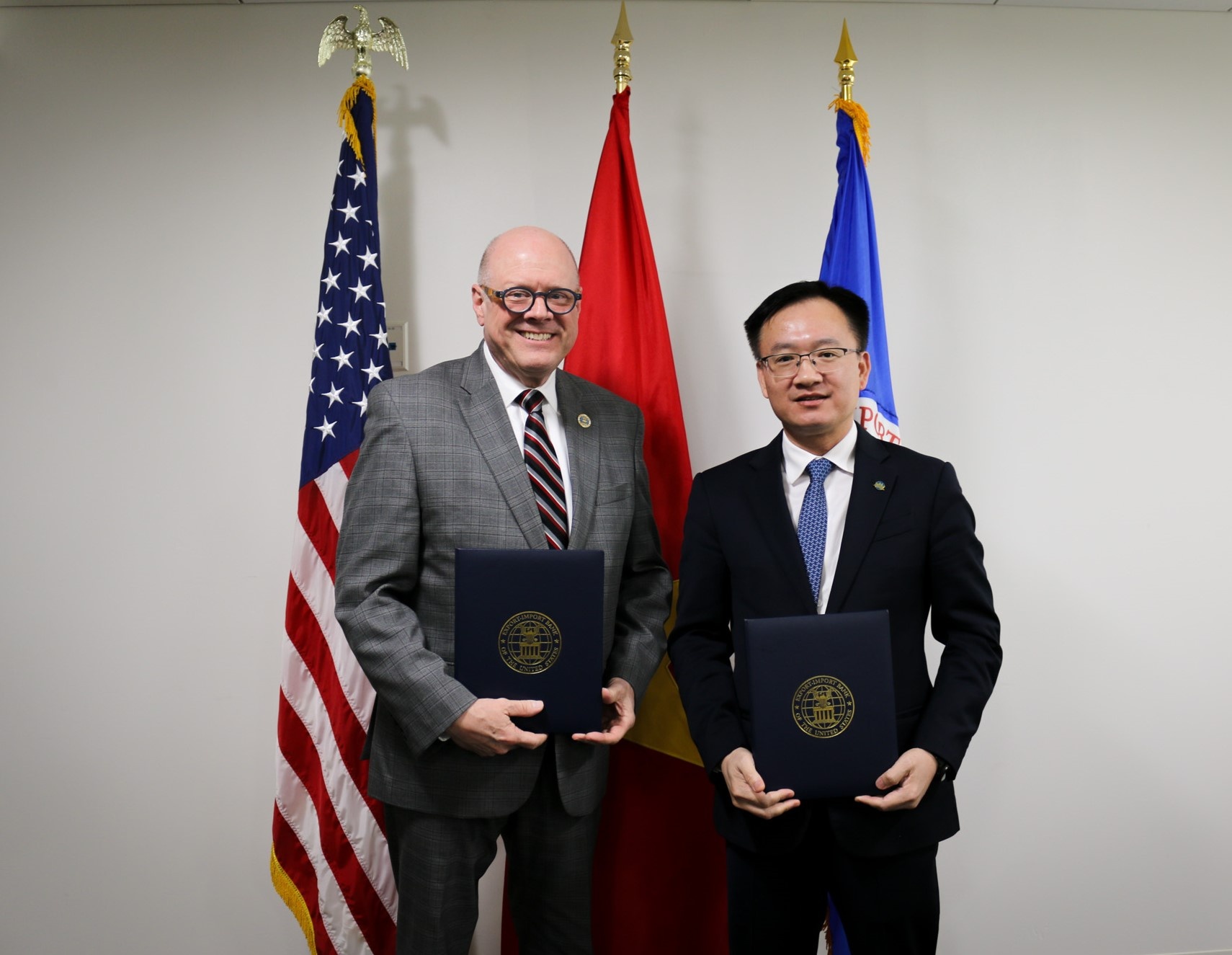
EXIM’s Preliminary Commitment enhances Vietnam Airlines’ access to international financing sources at competitive costs while diversifying its funding channels. Photo: Vietnam Airlines

EXIM’s Preliminary Commitment will enhance Vietnam Airlines’ access to international financing sources at competitive costs while diversifying funding channels for the carrier’s key initiatives.

To date, Vietnam Airlines remains the first and only Vietnamese airline to receive EXIM export credit support for aircraft acquisition financing, including previous investments in Boeing 777 and Boeing 787 Dreamliner fleets.

The continued receipt of EXIM’s Preliminary Commitment for the 50-aircraft Boeing 737 MAX 8 project reflects Vietnam Airlines’ financial capability, reputation, and growth prospects, while also underscoring the confidence of the US government and financial institutions in the long-term development strategy of Vietnam’s national flag carrier.

Earlier, in February 2026, Vietnam Airlines signed an agreement in Washington, D.C. to purchase 50 Boeing 737 MAX 8 narrow-body aircraft. Under the plan, the aircraft are scheduled for delivery between 2030 and 2032.

The Boeing 737 MAX 8 fleet is expected to operate on domestic and regional Asian routes, meeting growing passenger travel demand as well as increasing air cargo transportation needs across the region.

The acquisition forms part of Vietnam Airlines’ long-term development plan aimed at sustaining double-digit average growth over the next five years, targeting total traffic of approximately 168 million passengers and more than 2.25 million tonnes of cargo.

In addition to supporting the project for 50 Boeing 737 MAX 8 aircraft, EXIM has also expressed its willingness to work with Vietnam Airlines in exploring financing solutions for other strategic projects involving US goods and services, including aircraft engines, maintenance, repair and overhaul (MRO) facilities, and related sectors.

To secure resources for large-scale investment projects, Vietnam Airlines is working with domestic banks and international financial institutions to develop appropriate financing structures, optimise investment efficiency, and strengthen financial risk management capabilities.

Vietnam’s aviation authority pushes shift to greener operations Vietnam’s aviation authority pushes shift to greener operations

The Civil Aviation Authority of Vietnam has instructed aviation stakeholders to study alternative fuels and gradually deploy sustainable aviation fuel, aiming to reduce greenhouse gas emissions and accelerate the sector’s energy transition.

Vietnam Airlines partners with 2C2P to expand digital payment options Vietnam Airlines partners with 2C2P to expand digital payment options

Vietnam Airlines has partnered with Southeast Asia’s leading full-suite payments platform 2C2P by Antom to expand payment options for customers across Asia-Pacific beyond traditional card payments.

Vietnam Airlines inaugurates nonstop Hanoi-Amsterdam service as first direct Vietnam-Netherlands route Vietnam Airlines inaugurates nonstop Hanoi-Amsterdam service as first direct Vietnam-Netherlands route

Vietnam Airlines has officially inaugurated its nonstop service between Hanoi and Amsterdam, becoming the first Vietnamese carrier to operate a direct route connecting Vietnam and the Netherlands.

Steel association proposes measures to boost exports
Illustrative photo courtesy of Hoa Phat Group

Speaking at the Ministry of Industry and Trade’s conference on encouraging double-digit export growth on June 25, Dinh Quoc Thai, vice chairman and secretary general of the Vietnam Steel Association (VSA), said the global steel industry was showing signs of recovery.

According to the World Steel Association, global steel production posted positive growth in the first four months of 2026, reflecting stronger manufacturing activity and rising demand from steel-consuming industries.

Vietnam’s steel industry has also experienced a broad-based recovery across the entire value chain, from raw material production to finished products.

Crude steel output reached 2.6 million tonnes in May, up 27.2 per cent on-year, marking the highest growth rate among the world’s top 10 steel-producing countries. Output totalled 12.6 million tonnes in the first five months of 2026, up 26.8 per cent compared to the same period last year.

Thai estimated that steel production would reach around 14.8 million tonnes in the first half of 2026, up 21.2 per cent on-year, while steel consumption is expected to increase 13.1 per cent to 17.9 million tonnes.

However, steel exports are projected to decline by 4.8 per cent to around 1.79 million tonnes during the same period.

Despite the weaker export performance, the VSA remains optimistic about the industry’s overall outlook. Crude steel output is forecast to reach approximately 27 million tonnes in 2026, up 10 per cent from the previous year. Finished steel production is expected to total around 33 million tonnes, while domestic consumption is projected to reach 28 million tonnes.

Steel exports are forecast at around 6 million tonnes for the full year, while imports are expected to decline compared to 2025.

“The combination of higher exports and lower imports is a positive signal,” Thai said. “This reflects effective domestic market management, trade policy measures introduced by the Ministry of Industry and Trade, and the improving ability of Vietnamese steel producers to meet market demand.”

Nevertheless, Thai warned that the industry would continue facing significant headwinds in the second half of the year.

Global steel overcapacity is driving an increasing number of trade protection measures in key export markets. The United States, for example, has imposed tariffs of up to 50 per cent on certain steel products under Section 232 of the Trade Expansion Act, while more trade remedy investigations targeting Vietnamese steel products have also been initiated.

At the same time, tightening greenhouse gas emission requirements and the gradual introduction of carbon border adjustment mechanisms across major markets are creating additional challenges for steel exporters.

Although Vietnam has improved domestic supplies of some raw materials, the country still relies on imports of iron ore, scrap steel and several other key inputs, Thai said.

Despite ongoing challenges arising from the global economic slowdown, prolonged geopolitical tensions and market volatility, the VSA believes Vietnam’s economy remains relatively resilient compared to other ASEAN countries, providing a solid foundation for the steel industry’s continued recovery.

To support sustainable development, the VSA identified two strategic priorities: protecting the domestic market from surging imports of low-priced steel and accelerating green and digital transformation to meet evolving market requirements.

The association also called for long-term policies to encourage domestic investment and production, alongside early implementation of regulations requiring imported steel products to comply with Vietnamese quality standards before entering the domestic market.

The VSA has also proposed strengthening trade remedy investigations to address unfair competition, while providing greater support for steel producers facing overseas trade defence cases to help maintain and expand export markets.

The association recommended accelerating the development of national technical standards for steel products and enhancing market monitoring and forecasting to enable businesses to respond more effectively to changing market conditions.

Economic press plays vital role in supporting businesses
Leong Boon Hoe, CEO Arcadia Consulting Vietnam

From our experience operating in Vietnam, I feel economic journalism plays an important role because it sits at the intersection of policy, business confidence and market understanding.

For businesses like ours, the market is not shaped only by transactions or investment appetite. It is also shaped by how clearly investors understand the direction of policy, the quality of infrastructure planning, the regulatory environment, and the longer-term ambition of the country. Good economic journalism helps bring these different pieces together in a way that is factual, balanced and useful, making it conducive for businesses to work within, forward, and to thrive.

It also gives businesses a constructive channel to reflect what is happening on the ground. Very often, the private sector sees early signs and signals from investor sentiment, operational bottlenecks, shifts in demand, or areas where policy execution can be improved. When reported responsibly, these insights can help government agencies better understand market realities without the conversation becoming adversarial.

Government to Business and Business to Government, and economic journalism plays an intersection role between Business and Government

As Vietnam enters its next phase of development, we hope the press in general, and VIR in particular, will continue to play this bridging role with independence, depth and a strong sense of responsibility. Vietnam is attracting serious international attention, but with that comes the need for clearer information, more thoughtful analysis and a more mature conversation between the public and private sectors.

For Arcadia Consulting, we value journalism that does not simply promote optimism, but helps explain why confidence is justified, where the challenges remain, and what needs to be done for Vietnam to continue attracting long-term, quality capital.

Economic press plays vital role in supporting businesses
Vlad Savin, Partner, Acclime Vietnam

On the occasion of Vietnam Revolutionary Press Day, Acclime would like to express our appreciation for the consistent role that the economic press, particularly Vietnam Investment Review, plays in supporting the business and investment community.

From our experience working closely with investors and companies on the ground, economic journalism serves a practical and wide-ranging role. It goes beyond reporting policies to reflect how the market is evolving across industries, how businesses operate in practice, and how investment trends are taking shape.

For many investors, especially those entering Vietnam for the first time, this broader perspective is essential. It helps them understand not only regulatory direction, but also how sectors are performing, how companies are adapting, and where opportunities are emerging. In this context, credible media like VIR plays an important role in connecting policy direction with real market dynamics, contributing to a clearer and more transparent investment environment.

VIR has maintained a strong position in this regard. Its coverage combines timely updates with deeper analysis, while bringing together perspectives from businesses, advisors, and policymakers. For Acclime, this provides a practical platform where technical insights and on-the-ground observations can be shared in a way that is relevant to both investors and state management agencies.

Over time, this exchange has helped improve mutual understanding across stakeholders and supported more informed discussions around market development and regulatory refinement.

Vietnam’s growth is increasingly driven by higher-value manufacturing, digitalisation, and sustainability requirements, making the role of economic journalism even more important. Beyond reporting trends, there is an increasing need for grounded insight into how supply chains are evolving, how investment decisions are shifting, and how businesses are responding to both global and domestic changes.

Going forward, we believe VIR can continue to strengthen its role as a reliable reference point by maintaining its focus on accuracy, balanced perspectives, and practical insight from across the market. Its ability to reflect both what is happening on the ground and the broader direction of the economy will remain essential for both the business community and policymakers.

At Acclime, we value our ongoing collaboration with VIR and look forward to contributing further to this shared objective of supporting a transparent and well-informed investment environment in Vietnam.

Economic press plays vital role in supporting businesses
Cao Minh Chuyen, Japan Small and Medium Enterprise Development JSC

The media plays an important role in bridging the gap between the day-to-day realities faced by businesses and the policymaking and regulatory processes of government authorities. In production and business activities, particularly in the industrial real estate sector, enterprises are constantly affected by a wide range of factors, including market fluctuations, rising input costs, investment procedures, infrastructure requirements, labour availability, environmental regulations, and shifts in global supply chains.

If these issues are viewed solely from a regulatory perspective or through aggregated data, they may not fully capture the challenges, pressures, and expectations experienced by businesses on the ground.

Economic journalism serves as a valuable channel for conveying the pulse of the market. It helps reflect the realities of business operations, capture signals from the corporate community, and communicate legitimate recommendations to policymakers and relevant authorities. A well-researched, objective, and responsible article not only gives businesses a voice but also provides practical insights that can help ensure policies are more closely aligned with development needs.

For projects such as JSC, the media also plays an important role in promoting information about the investment environment, infrastructure development, and strategies to attract high-tech, advanced, and environmentally friendly industries. In doing so, it helps localities enhance their competitiveness in attracting investment.

As Vietnam enters a new phase of development, with greater emphasis on green growth, digital transformation, the quality of foreign direct investment inflows, and green development, we hope that the media in general, and Vietnam Investment Review in particular, will continue to serve as a trusted forum for businesses.

The media should continue to focus on substantive market issues, provide multidimensional perspectives and in-depth analysis, while also highlighting successful business models, sustainable industrial parks, and enterprises that make meaningful contributions to society.

AI and innovation reshape Vietnam’s journalism industry AI and innovation reshape Vietnam’s journalism industry

Technology is fast becoming a strategic cornerstone of modern journalism, influencing not only how news is produced and consumed, but also how media organisations sustain themselves in an increasingly competitive landscape.

Redefining journalism amid social media disruption Redefining journalism amid social media disruption

Vietnam’s revolutionary press has played a vital role in the country’s development for a century, from documenting key historical moments and shaping public opinion to reflecting social and economic changes.

AI pushes journalists to rethink roles, skills, and responsibility AI pushes journalists to rethink roles, skills, and responsibility

The rapid rise of AI is prompting journalists to reconsider how they work, learn, and adapt in a shifting media landscape.

Vietnamese businesses are entering the second half facing a more complex operating environment, as higher energy costs, tighter liquidity, and persistent supply chain disruptions converge at the same time.

Global shocks and tightening cash for Vietnamese business
Companies have been urged act now before the next disruption forces plans to change, Photo Le Toan

Pratiksha Bhanti, senior manager of Deals – Transformation at PwC Vietnam, said the firms performing best in volatile environments are often those that act fastest.

“What separates winners from laggards is not understanding what needs to be done; it is execution speed. The playbook is straightforward: tighten collections, optimise inventory, hedge exposures and improve cash visibility. But timing is critical,” said Bhanti. “Companies need to act while the pressure is real and the business case is undeniable. Once markets stabilise and the urgency fades, the organisational will to change often disappears with it. We are already seeing material differences between firms that moved decisively in recent months and those that are still planning.”

According to PwC Vietnam, the greatest risk is not any single shock but the cumulative effect of multiple pressures arriving simultaneously, squeezing margins, cash flow and access to funding.

“The mechanics are straightforward but compounding. Input and logistics costs have risen sharply, and even as oil prices ease from their peak, shipping routes remain longer and fuel surcharges persist. At the same time, credit conditions are tightening: borrowing is becoming more expensive, while customers facing similar pressures are ordering less and paying later,” said Mohammad Mudasser, director with PwC’s Deals Advisory, in comments to VIR on June 17.

The result, he said, is a stretched cash-conversion cycle, with more cash tied up in receivables and inventory just as external funding becomes harder to obtain. For manufacturers, retailers, and logistics firms, this combination is placing sustained pressure on liquidity.

The warning comes against a backdrop of continuing uncertainty in global markets. When Vietnamese companies prepared their 2026 business plans at the start of the year, oil was trading at around $66 per barrel. Brent crude later surged to as high as $117 amid escalating tensions in the Middle East that disrupted shipping routes through the Strait of Hormuz.

Although the US and Iran agreed to a ceasefire in mid-June, oil still hovering around $77 per barrel, well above levels seen at the beginning of the year, and Vietnam relying on imports for roughly 85 per cent of its crude oil needs, imported cost pressures are expected to persist into the second half of the year.

The strain is becoming visible. According to the National Statistics Office under Vietnam’s Ministry of Finance, core inflation rose 5.6 per cent on-year in May, while average inflation so far this year increased 4.04 per cent from a year earlier.

It also pointed to signs of a growing business retreat. Over the first four months, the number of businesses suspending operations reached 72,200, up 5.1 per cent on-year. More notably, the number of dissolved enterprises surged 98.7 per cent to nearly 15,200.

For Mudasser of PwC, the more important question is not how severe the external shock becomes, but how much liquidity companies can unlock internally.

“In our work with manufacturers, retailers and traders across Vietnam, we keep finding the same thing that a large share of a company’s cash is hiding in plain sight, locked inside ageing inventory, slow collections and exposures that no-one is actively hedging,” said Mudasser.

For a company with $100 million in annual revenue, reducing the cash-conversion cycle by just five days can immediately free up roughly $1.4 million in working capital, he explained. “This is the crux. The shock itself is largely external and beyond anyone’s control. But the response of how quickly cash is freed during this transition window, how exposures are hedged before normalisation, and how clearly leaders can see their position, is entirely a matter of management,” he explained. “With supply chain recovery expected to take months, the question for Vietnamese businesses is not whether they should wait for full normalisation, but whether they act now or wait until the next disruption forces their hand, at a far higher cost.”

Businesses contribute to draft amended Customs Law
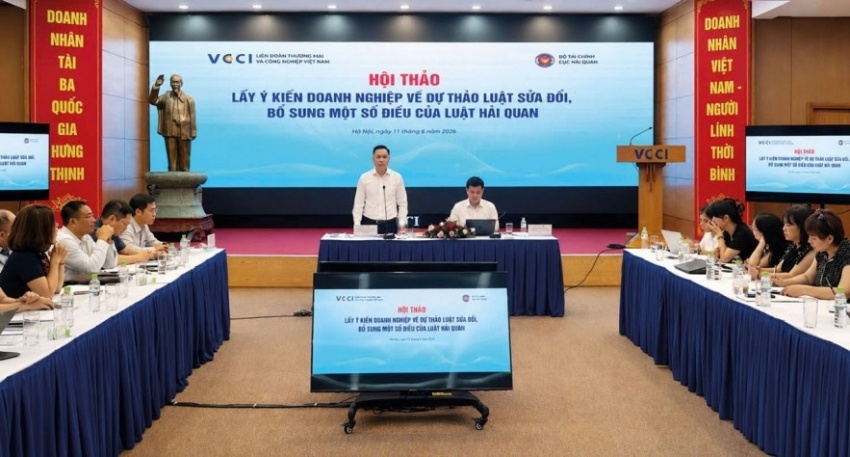
Many businesses contributed opinions on the draft amended Customs Law

Dau Anh Tuan, deputy secretary general and head of the Legal Department, said, “In surveys conducted by VCCI, Customs has consistently been recognised by the business community leading sectors in administrative procedure reform and digital transformation.”

“It is on this positive foundation that the current amendment to the Customs Law has been received with high expectations by the business community. We appreciate the spirit of the draft, especially the institutionalisation of important Party resolutions such as Resolution 57, Resolution 66, and Resolution 68, with a clear message: shifting from a management to a service mindset, with businesses at the centre,” Tuan said.

Nguyen Thanh Hung, deputy director of the Customs Department, said that Customs Law No.54/2014/QH13 came into effect on January 1, 2015, and has been in effect for 12 years. During this time, it still has seen delays, waste time and money for the business community.

“To overcome this, the draft law is expected to amend, supplement, and repeal 42 articles, while adding four new articles out of 104 articles in the current law. This is a concrete step in implementing the Politburo’s resolutions on encouraging the private economy, national digital transformation, and reforming the legislative process, while also aligning with the policy of streamlining the local government apparatus from three levels to two levels,” Hung said.

At the meeting, dozens of businesses concentrated on six subjects. The first was digital customs. Converting all documents to electronic form, automated document verification, and eliminating geographical boundaries will save a significant amount of time and costs.

Regarding customs management via e-commerce platforms, the draft stipulates the responsibility of e-commerce platform owners to declare customs. This is a very new issue, with rapid development and involving many stakeholders. VCCI hopes business can clarify the boundaries of responsibility between platform owners, sellers, shipping companies, and buyers, to ensure strict management while avoiding an excessive compliance burden.

Furthermore, the representatives of firms and manufacturers gave opinions on compliance management, customs clearance agents, the temporary suspension of customs procedures for transit goods showing signs of intellectual property infringement, and post-clearance inspection and decentralisation of authority.

Le Thi Xuan Hue, deputy director of BowerGroupAsia Vietnam Co., Ltd., said, “The drafting agency should also consider adding a mechanism for accountability in the process of assessing business compliance. In reality, many cases of businesses being penalised are not due to intentional violations but stem from inconsistencies or overlaps between legal regulations in various fields.”

“Being rated low in compliance has many consequences, such as increased inspection frequency, prolonged customs clearance time, and increased production and business costs. A mechanism is needed to allow for accountability in cases arising from objective reasons or force majeure before deciding on the level of compliance assessment,” she said.

Phan Manh Ha, director of External Relations at Shopee, suggested reconsidering the regulation requiring e-commerce platforms to declare and verify buyer information because platforms are only intermediaries connecting businesses; they do not own the goods or original data. Therefore, their role should only be to provide information. Ha also expressed concern that verifying the buyer for low-value goods (under $200) would increase costs and prolong customs clearance time.

Customs reform to prioritise high-tech and innovative businesses Customs reform to prioritise high-tech and innovative businesses

Au Anh Tuan, deputy director general of the Department of Vietnam Customs, outlines key changes to the Customs Law aimed at simplifying procedures and offering more incentives for high-tech, innovative, and semiconductor businesses, and helping to support supply chains and boost the startup ecosystem.

Customs Law amendments to strengthen digital integration Customs Law amendments to strengthen digital integration

Vietnam’s proposed amendments to the Customs Law would expand automated data control, strengthen inter-agency data sharing, and establish a regulatory framework for the fast-growing cross-border e-commerce sector.

Summit highlights Ho Chi Minh City's digital prominence
Nguyen Ngoc Nam, director of Financial Services Consulting at KPMG Vietnam, at the event

Speaking at the summit on June 16, KPMG Vietnam director Nguyen Ngoc Nam said that while nearly 40 per cent of organisations are scaling up or accelerating AI adoption, only 8 per cent report achieving a clear return on investment.

“This gap suggests that AI does not automatically create value. Successful AI adoption requires a strong operational foundation, high-quality data, effective performance measurement, and an appropriate governance framework,” Nam said.

According to Nam, this is particularly relevant for Ho Chi Minh City, where enterprises are embracing new technologies at a rapid pace, while expectations regarding investment efficiency, data security, and system resilience are also rising.

“As AI adoption accelerates, the market does not simply need more infrastructure. It needs infrastructure capable of running AI safely, with strong governance and the ability to measure and demonstrate tangible business value,” he added.

If data centres represent the physical backbone of the digital economy, cloud computing is the infrastructure layer that enables enterprises to scale flexibly in the AI era.

Today, cloud computing is no longer merely an IT infrastructure solution. It has evolved into a strategic platform that allows businesses to deploy AI applications more efficiently while meeting increasingly stringent requirements for data management, cybersecurity, and regulatory compliance.

As enterprises accelerate their digital transformation journeys, cloud infrastructure is becoming an essential enabler of innovation, providing the agility, scalability, and resilience needed to support AI-driven growth.

According to the ‘Cloud computing market size and share analysis – Growth trends and forecast (2026-2031)’ released by Mordor Intelligence in January, Global spending on cloud computing is forecast to grow at a compound annual growth rate (CAGR) of 20.65 per cent during the 2026–2031 period. By 2031, the market is expected to be more than 2.5 times larger than its current size.

In Vietnam, according to Ken Research 2025, the cloud computing market is projected to reach $1.5 billion by 2033, expanding at an annual CAGR of 30 per cent.

“Ho Chi Minh City alone accounted for around 40 per cent of Vietnam’s cloud computing market in 2025, the largest share nationwide,” Nam said. “The main growth drivers are industries with stringent requirements for data processing and system continuity, such as banking, financial services and insurance, healthcare, and other data-intensive sectors,” Nam added.

Against this backdrop, Ho Chi Minh City’s digital infrastructure strategy should go beyond merely expanding data centre capacity or increasing cloud computing capabilities.

“Businesses need an AI-ready infrastructure platform that is flexible to deploy, capable of ensuring data security, and resilient against increasingly sophisticated cybersecurity threats,” Nam said.

Summit highlights Ho Chi Minh City's digital prominence
Tran Van Bang, deputy CEO of Viettel IDC

Tran Van Bang, deputy CEO of Viettel IDC, explained that in the AI era, competitive advantage no longer comes solely from algorithms or AI models, but increasingly from the strength of the underlying infrastructure.

“Data centres, cloud computing, cybersecurity, and operational capabilities are the key factors determining whether AI can be deployed effectively at scale,” Bang said.

“Without an infrastructure foundation that is robust, secure, and flexible, it is extremely difficult for businesses to translate AI investments into tangible business outcomes. This is also the strategic direction that Viettel IDC is pursuing,” Bang added.

According to Bang, competition in the AI era is no longer confined to the application layer or the sophistication of AI models. Instead, it is increasingly being shaped by the strength and resilience of the digital infrastructure that supports them.

“As AI adoption accelerates, organisations that invest early in AI-ready infrastructure will be better positioned to innovate, scale their operations, and capture new growth opportunities in the digital economy,” he added.

According to a report released by Gartner in January, global AI spending is projected to reach $2.52 trillion in 2026, up 44 per cent from the previous year, and is expected to rise further to $3.3 trillion by 2027. AI infrastructure accounted for as much as 55 per cent of total AI spending in 2025, making it the largest investment segment across the AI ecosystem.

Worldwide, there are currently around 11,000 data centres with a combined power demand exceeding 120 GW. AI data centres, while representing less than 1 per cent of the total number of facilities and having emerged only in recent years, already account for approximately 25 per cent of the electricity consumed across the global data centre industry.

According to the International Energy Agency, electricity consumption by data centres worldwide could triple over the next decade, largely driven by AI-related workloads.

This signals a major shift for industry: the primary challenge is no longer merely scaling up computing power, but ensuring adequate energy supply, maximizing efficiency, and achieving sustainable operations.

According to Bang, the next phase of data centre development will be shaped by three major imperatives: scaling up infrastructure capacity, enhancing operational efficiency, and complying with stringent safety and sustainability standards. These elements provide the foundation for businesses to deploy AI, cloud, big data and other mission-critical workloads with greater stability and security.

In this context, Ho Chi Minh City’s digital infrastructure strategy is no longer limited to expanding data centre capacity or boosting cloud capabilities. Instead, enterprises increasingly need AI-ready infrastructure that offers deployment flexibility, robust data protection and resilience against the growing complexity of cyber threats.

Vietnam posts second-highest AI adoption in Southeast Asia Vietnam posts second-highest AI adoption in Southeast Asia

Vietnam has the second-highest AI adoption rate in Southeast Asia at 26.5 per cent, according to a recent Microsoft report.

Data and governance key hurdles to AI scaling for Vietnamese firms Data and governance key hurdles to AI scaling for Vietnamese firms

Governance deficiencies, fragmented data systems, and a lack of clear accountability metrics are preventing Vietnamese businesses from successfully scaling AI technology.

Beyond AI: What a world top-5 school teaches for the future Beyond AI: What a world top-5 school teaches for the future

While technology continues to transform how knowledge is accessed and applied, some of the most respected educational institutions argue that the most valuable future skills remain ‘deeply human’. At the forefront is King’s College School Wimbledon, where nearly 200 years of excellence meet forward-looking innovation.

BAF Vietnam faces penalty for breaching competition law

The National Competition Commission under the Ministry of Industry and Trade issued Decision No.122/QD-CT in May on a competition case involving violations of regulations on economic concentration related to a share acquisition.

According to the regulator’s findings, BAF Vietnam Agriculture JSC and Thanh Xuan Clean Agriculture Development JSC failed to fulfill mandatory notification procedures under the Competition Law in relation to BAF Vietnam’s acquisition of 99.99 per cent of the shares/charter capital of Thanh Xuan.

For the violation, the National Competition Commission imposed a fine of more than VND820.2 million ($32,200) on BAF Vietnam and more than VND78.5 million ($3,100) on Thanh Xuan Clean Agriculture Development JSC, bringing the total penalty for the two companies to nearly VND900 million ($35,300).

The commission said both companies have complied with and completed the enforcement of the decision in accordance with regulations.

BAF Vietnam is known as part of the Tan Long Group ecosystem led by businessman Truong Sy Ba. Tan Long is currently one of Vietnam’s major agricultural trading groups, with key products including grains, rice and cashew nuts, and expanded into pig farming in 2017.

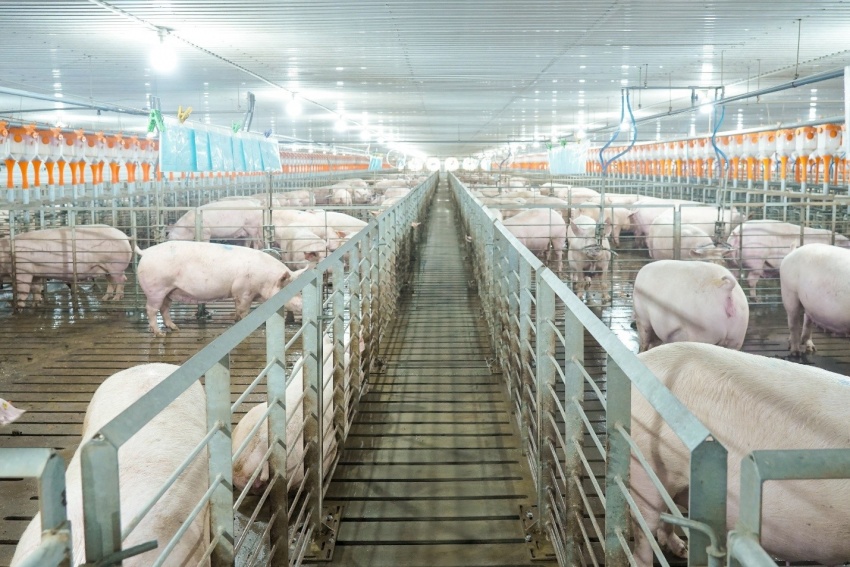
BAF Vietnam recently proposed investing in a 220-hectare multi-storey pig farming complex in Hanoi using a closed-loop, high-tech model aimed at reducing costs and environmental impacts.

Under the proposal, the project would operate as a fully integrated system with modern production lines covering breeding to commercial pork production. Compared with traditional farming methods, the model is expected to save land space while reducing feed and labour costs.

BAF Vietnam also submitted a proposal in July last year to the Ministry of Agriculture and Environment seeking opinions on the deployment of multi-storey pig farming models.

Agricultural sector sees mixed results Agricultural sector sees mixed results

Due to the ongoing economic effects caused by rising raw material prices and decreasing demand, the business results of many large agricultural and livestock producers for the first six months of 2023 have been mixed.

BaF enters industrial catering market BaF enters industrial catering market

Industrial catering marks the third and final element for BaF to complete its Feed-Farm-Food (3F) chain.

BAF launch $454m high-tech pig farm with China’s Muyuan in Tay Ninh BAF launch $454m high-tech pig farm with China’s Muyuan in Tay Ninh

A $454 million high-tech pig farming joint venture in Tay Ninh province aims to combine large-scale livestock production with advanced animal feed manufacturing, setting a new benchmark for efficiency and sustainability in the sector.

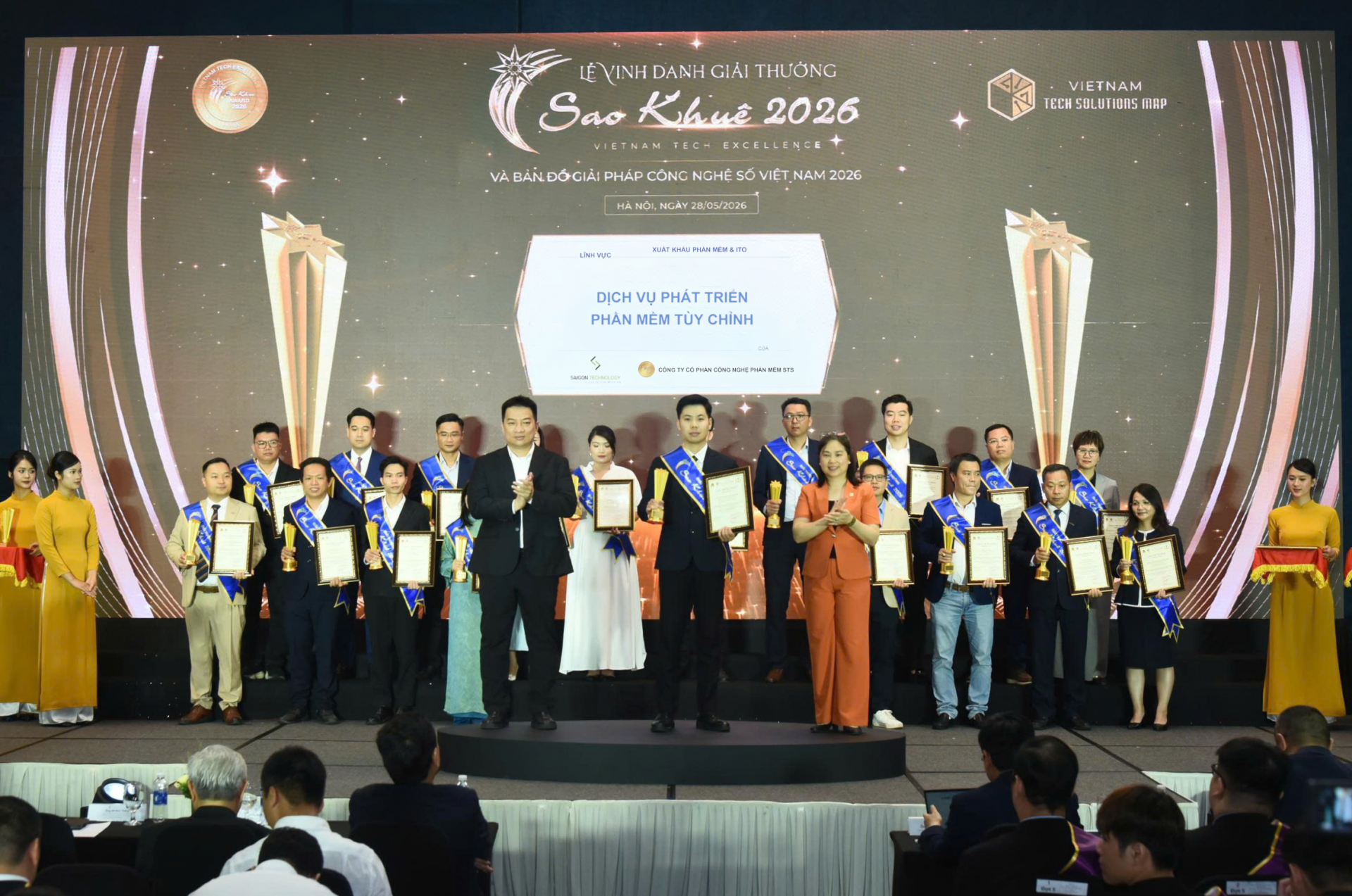
Held since 2003 by the Vietnam Software and IT Services Association (VINASA), the Sao Khue Awards are one of the most prestigious honours in Vietnam’s IT industry. This year’s edition took place on May 28 in Hanoi and introduced a new evaluation framework to assess the maturity, innovation, and practical impact of digital products and services.

For Saigon Technology, this year’s recognition arrives at a particularly meaningful moment. Since 2012, the company has grown from a software development provider serving international clients into a global technology partner, with more than 400 engineers and over 850 successful projects delivered across North America, Australia, Europe, and the Asia-Pacific region.

The 2026 recognition is especially significant not just for the award itself, but also for the changing landscape of software development in the age of AI.

Saigon Technology marks AI-native engineering milestone at Sao Khue Awards 2026

As AI rapidly reshapes the software industry, development cycles are becoming shorter, repetitive coding tasks are automated, and businesses are demanding faster delivery without compromising quality.

This transformation has created a new challenge for software companies: how to continue delivering value when AI can perform many technical tasks that once required extensive human effort.

Rather than viewing AI as a disruption, Saigon Technology has embraced it as an opportunity to evolve. The company has expanded beyond the traditional outsourcing model, positioning itself as an AI-native engineering partner that combines experienced software talent, AI-enhanced development processes, and large-scale product delivery expertise.

Speaking at the award ceremony, Nguyen Duc Minh, business development manager at Saigon Technology, said that AI is not replacing software engineers but transforming the way they work.

“We do not see AI as a threat. Instead, it enables engineers to work more effectively and focus on solving complex business challenges. Technology will continue to evolve, but our mission remains the same: helping clients build software faster, leaner, and smarter in the AI era,” he said.

The market has already recognised this strategic direction. In the Top 10 ICT Vietnam 2025 rankings, Saigon Technology was named among the Top 2 Established Performers Providing AI Application Development Platforms, Top 2 Enterprises Providing Global Digital Services, and Top 6 Software Development & Application Companies.

The AI-native Custom Software Development category at Sao Khue 2026 recognises the core capability that Saigon Technology has built over the years: helping businesses design, build, and scale software solutions tailored to their unique needs.

This is not the company’s first appearance at the Sao Khue Awards. Saigon Technology previously received Sao Khue Awards in both 2019 and 2020, highlighting the company’s strong engineering foundation. This year’s recognition reflects something broader: its ability to adapt, innovate, and continue creating value in an industry being transformed by AI.

Alongside technology achievements, Saigon Technology has also earned recognition for its workplace culture and commitment to talent development. The company received Great Place to Work Certification in 2022, 2023, and 2025, was named among the Best Workplaces in Vietnam and Best Workplaces in Asia in 2023, and was included in Fortune’s 100 Best Companies to Work For in Southeast Asia in 2025.

Saigon Technology marks AI-native engineering milestone at Sao Khue Awards 2026

“Each milestone reflects the collective effort of our people, our culture, and our commitment to continuous improvement. Sao Khue 2026 is a reminder of how far we have come, but more importantly, it inspires us to keep moving forward,” Minh shared.

As Vietnam continues to strengthen position as a growing technology hub in the Asia-Pacific region, companies like Saigon Technology demonstrate how Vietnamese software firms can compete and thrive on the global stage.

The US ready to cement partnership with Vietnam and ASEAN The US ready to cement partnership with Vietnam and ASEAN

The United States is ready to deepen its partnership with Vietnam and ASEAN across every dimension of the relationship, US Deputy Secretary of State Christopher Landau has said.

VNG unveils new positioning for AI era VNG unveils new positioning for AI era

At its 2026 AGM on June 6, VNG Group unveiled its new positioning as “Vietnam’s digital ecosystem builder for the AI era.”

Cost increases trigger supply chain overhauls for businesses Cost increases trigger supply chain overhauls for businesses

Deloitte’s 2025 Asia Pacific Tax and Tariff Complexity Survey finds that 41 per cent of businesses in Asia-Pacific, including Vietnam, would consider significant supply chain realignment even with cost increases below 20 per cent.

Vinh Hoan Corporation recently released its first-quarter financial results, reporting consolidated revenue of approximately $118.2 million, up 12 per cent on-year, while net profit rose sharply by 38 per cent to about $10.6 million.

The company’s core basa fish segment recorded revenue growth of more than 14 per cent and accounted for 55 per cent of total revenue, serving as the primary driver behind their strong start to the year.

Also benefiting from robust global demand was Nam Viet Corporation, which posted a 66 per cent increase in net revenue to approximately $73.8 million, while net profit surged 48 per cent to around $7.8 million.

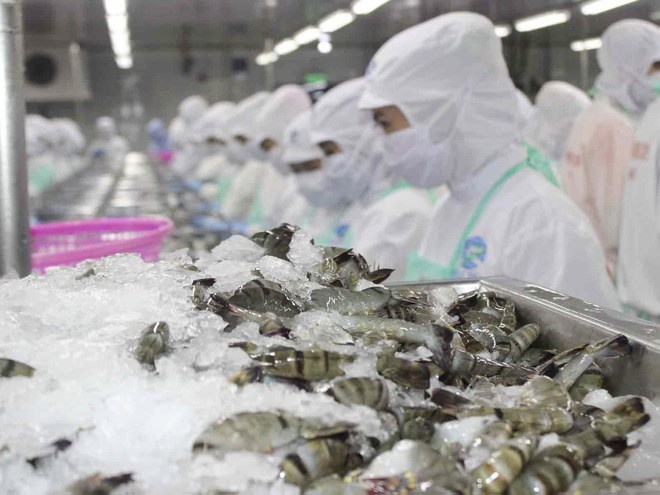
Seafood exporters deliver strong Q1 though challenges persist
Seafood companies continue to face significant risks in 2026 despite improving business performance

Beyond basa fish, Nam Viet has gained attention for expanding exports of tilapia, a whitefish species that is increasingly favoured as a substitute for more expensive whitefish products amid ongoing pressures on the global economy.

The positive picture was also reflected in the financial performance of shrimp exporters. For instance, Sao Ta Foods JSC reported Q1/2026 net profit of approximately $2.03 million, up 34.6 per cent on-year, despite a nearly 30 per cent decline in revenue to around $56 million.

According to PAN Group, Sao Ta’s parent company, the sharp revenue decline resulted from the company’s deliberate decision to limit exports to its key market, the United States, while awaiting the outcome of anti-dumping proceedings. At the same time, disease outbreaks affecting shrimp farming reduced the supply of raw shrimp, further weighing on revenue.

Nevertheless, Sao Ta was able to optimise costs thanks to its self-sufficiency in raw material supply. According to the company, the sharp increase in earnings stemmed largely from favourable results from the settlement of its late-2025 shrimp farming season.

Meanwhile, Minh Phu Seafood Corporation reported a twelvefold increase in after-tax profit during the period, reaching nearly $8.6 million, while the company’s revenue climbed more than 98 per cent to approximately $228 million.

The comeback of the company was driven by improved cash-flow management and a strategic focus on value-added products, which significantly enhanced profit margins.

The performances of Sao Ta and Minh Phu underscore the resilience and adaptability of Vietnam’s shrimp producers at a time when competition in international markets is intensifying and the United States – one of the industry’s most important export destinations – continues to pose challenges through trade remedies and protectionist measures.

In the first five months of 2026, Vietnam’s seafood export value reached $4.67 billion, up 11 per cent on-year.

Combined with the strong financial results reported by leading industry players, the figures point to a promising recovery trend for the seafood sector.

However, according to the Vietnam Association of Seafood Exporters and Producers (VASEP), underlying market conditions are not entirely favourable, as buyers have become more cautious and divergences among export markets are becoming increasingly apparent.

Notably, tightening standards and growing trade protectionism are creating headwinds for the industry.

This was reflected in a 10 per cent decline in seafood exports to the United States and a 2.2 per cent drop in exports to EU during the first five months of the year.

These two markets have been among the most proactive in introducing trade defence measures, traceability requirements, sustainability standards and policies aimed at combating illegal fishing.

For the shrimp industry, the most significant challenge stems from anti-dumping litigation involving warm-water shrimp exports to the United States.

Although preliminary tariff rates have been reduced substantially compared with earlier findings, they continue to place considerable pressure on corporate profit margins.

For the basa fish sector, challenges arise from rising costs of fingerlings, production, feed and transportation, all of which have continued to increase since 2025. As a result, many farming areas remain cautious about expanding cultivation acreage.

In 2025, Vietnamese basa fish exporters shipping to the United States benefited from a zero per cent anti-dumping duty, creating better conditions for business. Nevertheless, VASEP cautioned that future trade defence measures in the US market remain highly uncertain.

VASEP forecasts that Vietnam’s seafood exports could grow by 8-10 per cent in 2026, surpassing $12 billion if market conditions remain favourable and trade remedy obstacles are effectively addressed.

Conversely, if compliance costs, transportation expenses, logistics costs and trade barriers continue to persist, growth in the seafood industry is likely to slow significantly in the latter part of the year, particularly for shrimp exporters and fishing companies.

Seafood exporters urged to prepare for expected downturn in 2026 Seafood exporters urged to prepare for expected downturn in 2026

After a bright year with export revenue on track to reach $10 billion in 2025, Vietnam’s seafood industry is forecast to face multiple headwinds from 2026 onwards.

Seafood exports to Japan surge towards new annual record Seafood exports to Japan surge towards new annual record

Vietnam’s seafood exports to Japan have gained strong momentum, reaching nearly $1.6 billion since the start of the year and positioning the sector to set a new annual record.

Middle East tensions drive cost pressures for seafood exporters Middle East tensions drive cost pressures for seafood exporters

Seafood companies are facing mounting cost pressures and rising cold chain risks as the Middle East conflict escalates, posing urgent questions about market restructuring.

According to data from Metric, a Vietnam-based e-commerce data and market intelligence company, the gross merchandise value (GMV) generated by Vietnam’s four largest e-commerce platforms of Shopee, TikTok Shop, Lazada and Tiki during this year’s June 6 mega sales event could exceed $260 million

Data and technology redefine Vietnam’s e-commerce race
Vietnam’s e-commerce platforms are increasingly competing on customer experience rather than price

The forecast is based on the performance of the May 5 sales campaign, which recorded GMV of approximately $260 million.

Beyond growth in scale, the market is also witnessing profound changes in consumer behaviour, competitive dynamics and platform business models.

The figures highlight the continued strength of online spending in Vietnam. Earlier, a market report from Metric showed that Vietnamese consumers spent approximately $17.2 billion on Shopee, TikTok Shop, Lazada and Tiki in 2025, an average of about $47.7 million per day.

Meanwhile, a report by YouNet ECI, a Vietnamese market research and analytics company specialising in e-commerce intelligence, found that total GMV across the four major platforms exceeded $18.32 billion in 2025, growth of 26 per cent compared with the previous year.

The data suggest that e-commerce has entered a stage of large-scale expansion rather than serving merely as a supplementary sales channel, as was the case in the past.

Another notable trend is the rapid increase in average order value. According to Metric, GMV during the May 5 sales event rose 18 per cent on-year, while the number of products sold declined 6 per cent and the number of stores generating orders fell by around 10 per cent.

At the same time, the average value per product increased from $4.32 to $5.44, approximately 25 per cent growth.

This indicates that consumers are no longer focused on maximising the number of purchases, as seen during the post-COVID boom period, but are increasingly prioritising higher-quality products and higher-value segments.

Product categories posting strong growth included groceries, beauty products, mother-and-baby products, healthcare, mobile phones and home-related goods.

Notably, the beauty segment continued to demonstrate the effectiveness of livestream commerce, generating more than $47.76 million in sales on May 5 alone.

Industry experts say that Vietnam’s e-commerce sector is entering a more mature stage, where competition extends well beyond promotional discounts.

Rather than competing solely on price, e-commerce platforms in Vietnam are increasingly investing in logistics infrastructure, fulfilment centres, AI, user data capabilities, livestream commerce and creator networks.

With an annual market size measured in tens of billions of dollars and one of the fastest growth rates in the region, Vietnam’s e-commerce sector is expected to retain substantial growth potential.

However, the next phase of competition will not simply be a battle among platforms. It will increasingly be a contest among businesses capable of harnessing data, technology and the power of the creator economy to win over digital consumers.

To remain competitive, companies need to continuously upgrade their algorithms, advertising ecosystems and logistics capabilities, while making more strategic investments in branding, customer data and content development.

E-commerce race heats up with new player entering arena E-commerce race heats up with new player entering arena

A new commercial platform, nongsan.buudien.vn, has made its official debut.

Southeast Asian e-commerce market hit $157 billion in 2025 Southeast Asian e-commerce market hit $157 billion in 2025

Southeast Asia’s e-commerce gross merchandise value (GMV) grew 22.8 per cent on-year in 2025 to reach $157.6 billion, as leading platforms returned to growth while continuing to improve infrastructure, fulfilment, and customer experience, according to Momentum Works.

Over 200,000 OCOP items listed on e-commerce platforms Over 200,000 OCOP items listed on e-commerce platforms

More than 200,000 One Commune, One Product items have been labelled through the ‘Vietnam Goods Rise Up’ initiative launched on TikTok Shop in 2025.