UOB raises Vietnam 2025 growth forecast to 7.5 per cent

Following 7.5 per cent growth in the first six months and expectations of further stimulus, UOB revised its full-year GDP forecast to 7.5 per cent, up from 6.9 per cent. Vietnam’s real GDP expanded 7.96 per cent on-year in the second quarter, outpacing Bloomberg’s 6.85 per cent estimate and UOB’s own 6.1 per cent projection, bringing first-half growth to its highest level since 2011.

UOB’s September 17 report highlighted that Vietnam’s strong first-half growth was underpinned by a 14 per cent on-year export surge, boosted by improved sentiment after the US lowered its ‘Liberation Day’ tariff on April 2 to a temporary 10 per cent baseline for 90 days. Tariff uncertainty eased further in the second half as the US finalised country-specific rates ahead of the August 1 deadline, with Vietnam’s rate set at 20 per cent.

Data from July indicates that growth momentum remains positive, though the outlook is tempered by tariff developments. Exports rose 17 per cent on-year to a record $42.3 billion, bringing year-to-date growth close to 16 per cent. However, the trade surplus narrowed to $9.5 billion in the first seven months, compared to $14 billion a year earlier, due to higher imports from front-loaded export orders.

“Despite tariff pressures, annual exports could still rise by about 10 per cent (compared to 14 per cent in 2024), assuming a moderate 1–5 per cent pace for the rest of 2025,” UOB said in the report.

Other indicators also signal resilience. The Purchasing Managers’ Index rebounded to 52.4 in July after three straight months below 50, while manufacturing output rose 9 per cent on-year despite a high base. Overseas capital inflows remained strong, with $13.6 billion in realised investment as of July, up from $12.6 billion in the same period last year, suggesting full-year inflows could surpass $20 billion (compared to $25.4 billion in 2024).

Amid external headwinds, Vietnam announced a $48 billion infrastructure scheme in mid-August, spanning 250 projects. Of these, 129 state-funded initiatives worth $18 billion will prioritise urban development and transport, while 121 projects valued at $30.5 billion will draw financing from other sources, including foreign enterprises.

“Despite tariff threats and uncertainty, Vietnam’s economy continues to show resilience and dynamism. Export performance has been particularly strong, though risks remain if US demand weakens amid tariff-induced price pressures,” UOB said.

Following robust 7.5 per cent growth in the first half of 2025 and expected support from stronger government investment, UOB revised its full-year GDP forecast to 7.5 per cent, up from 6.9 per cent previously and just under 7.1 per cent in 2024. Growth is projected at 7.6 per cent on-year in the third quarter and 7.2 per cent in the fourth. For 2026, UOB maintains its projection at 7 per cent. By comparison, the government is targeting 8.3–8.5 per cent growth this year.

Inflation, however, shows little sign of easing. Headline inflation reached 3.3 per cent year-to-date in July, versus 3.6 per cent on average in 2024 and 3.26 per cent in 2023. Housing and construction materials (5.9 per cent on-year average so far, with an 18.8 per cent weighting) and healthcare (18 per cent on-year average, with a 5.4 per cent weighting) remain the main drivers.

“Combined with decent growth prospects in the second half of 2025 and persistent VND weakness, these factors would constrain the State Bank of Vietnam’s (SBV) ability to ease policy,” UOB said, expecting the refinancing rate to remain at 4.5 per cent.

“If business and labour market conditions deteriorate sharply, there is a possibility for the SBV to cut the refinancing rate in a single step to the COVID-19 low of 4 per cent, though this is not our base case,” the report added.

Bucking the regional trend, the VND slid to a record low of 26,436 per USD in August, down 3.4 per cent year-to-date and marking its fourth straight year of depreciation. While Vietnam secured a trade deal with the US that lowered tariff rates to 20 per cent from the 46 per cent announced in April, uncertainty remains over the 40 per cent transhipment tariff.

“This could prompt firms to reassess supply chain strategies, potentially dampening Vietnam’s attractiveness for foreign investment,” UOB said.

Looking ahead, the VND may continue to underperform compared to regional peers in capturing any upside from expected US Federal Reserve rate cuts. UOB’s upward revision of Vietnam’s GDP growth forecast to 7.5 per cent in 2025, from 7.1 per cent in 2024, could lend some support. Its updated USD/VND projections are 26,300 in the fourth quarter of 2025, 26,200 in the first quarter of 2026, 26,100 in the second, and 26,000 in the third.
Citi raises forecast for Vietnam’s 2025 GDP growth Citi raises forecast for Vietnam’s 2025 GDP growth

Citi remains cautiously optimistic on Vietnam’s growth outlook, although US tariffs on Vietnam will increase post a recently agreed trade deal.

ADB trims Vietnam’s GDP forecast to 6.3 per cent for 2025 ADB trims Vietnam’s GDP forecast to 6.3 per cent for 2025

The Asian Development Bank (ADB) has revised Vietnam’s GDP growth forecast for 2025 down to 6.3 per cent from the 6.6 per cent it predicted in April.

Vietnam’s export resilience tested amid rising US tariff pressure Vietnam’s export resilience tested amid rising US tariff pressure

As the United States slaps a 20 per cent countervailing tariff on Vietnamese exports, concerns loom over the policy’s implications for Vietnam’s growth trajectory. Despite mounting trade headwinds, Le Trung Hieu, deputy director general of the National Statistics Office, outlines why the country remains confident of meeting its ambitious target of over 8 per cent GDP growth in 2025.

World Bank forecasts Vietnam’s GDP growth to reach 6.6 per cent in 2025 World Bank forecasts Vietnam’s GDP growth to reach 6.6 per cent in 2025

Vietnam’s GDP growth is forecast to reach 6.6 per cent in 2025, according to the latest report by the World Bank.

HID outlines biometric growth strategy in Vietnam
Christian Marcos, regional sales manager for the Philippines and Vietnam, Physical Access Control Solutions at HID

To begin, can you give us an overview of HID’s mission and key activities in identity and access control?

HID has been a pioneer in identity and access control for over 30 years. Headquartered in Austin, Texas, and present in more than 100 countries, HID delivers comprehensive solutions across multiple sectors.

Beyond physical access control, our portfolio spans secure issuance, identity and access management, identification technologies, and biometric solutions. Our mission is to provide secure, trusted identities worldwide, with a core vision of protecting people, places, and things.

HID is known for powering trusted identities. What does that mean in practice for everyday users and organisations?

Access control began with a simple purpose: managing who could open doors, and when. HID has since expanded far beyond physical entry. Today, access is secured through both physical and digital credentials across IT systems, devices, and facilities, from servers and laptops to photocopiers, vending machines, and even EV charging stations.

As technology advances, so do our applications. HID doesn’t just protect doors, but the full range of equipment, systems, and information behind them, ensures only individuals authorised gain access. In short, we deliver trusted security for people, places, and things, wherever it is needed.

Biometric solutions are gaining strong momentum worldwide. In your view, what sets HID’s biometric readers apart from other options in the market?

The market is increasingly embracing biometrics such as facial recognition, fingerprint, and palm identification. HID provides advanced biometric technologies, with a particular focus on facial recognition.

What makes us stand out is our proprietary Paravision algorithm, providing exceptional accuracy and reliability. We also integrate multifactor authentication into one system, combining facial recognition with PINs, cards, mobile credentials, and QR codes, for greater flexibility and security.

Our biometric readers are built for speed and accuracy, ensure smooth, queue-free user experiences, and are IP65-rated for both indoor and outdoor use. This versatility allows users to choose the most convenient access method, whether entering buildings or securing facilities like photocopiers, vending machines, and EV charging stations, an area of ​​growing relevance in Vietnam.

With rising concerns about scams, data criticism, and spoofing attacks, how does HID ensure the privacy and security of biometric data?

We prioritise compliance with international standards. All biometric solutions, especially facial recognition, are rigorously tested to meet global regulations, as biometric data represents a person’s unique identity.

We offer flexible data storage, either embedded on secure cards or kept in protected databases, allowing organisations to control how data is managed.

To strengthen security, HID introduced Seos in 2012, replacing older, clone-prone technologies with advanced, unclonable credentials in both physical and digital forms.

By ensuring compliance, secure storage, and uncopyable credentials, HID keeps biometric identities private, protected, and trusted.

Can you share some of HID’s latest innovations in biometric authentication, particularly those being introduced in Vietnam?

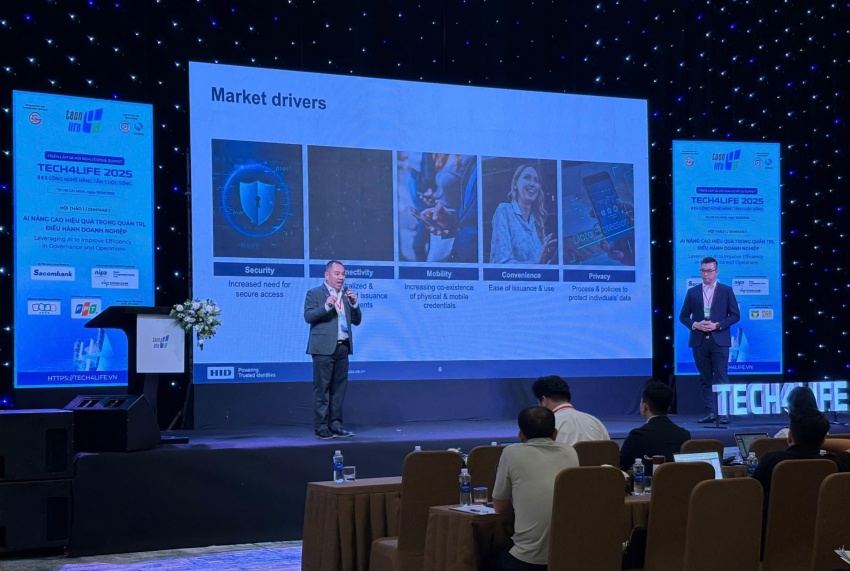
At the Tech4Life 2025 exhibition and conference held in Ho Chi Minh City on September 18 and 19, we unveiled the HID Amico reader, its latest biometric facial recognition reader, soon to debut in Southeast Asia with Vietnam as an early adopter. HID Amico serves diverse industries, supporting multifactor authentication through cards, mobile credentials, QR codes, or PIN codes.

While demand for facial recognition grows, HID prioritises compliance with global data privacy standards to ensure trust and security. The preview in Vietnam marks one of HID’s most significant rollouts in the region, following an exclusive preview for partners in Hanoi.

HID outlines biometric growth strategy in Vietnam
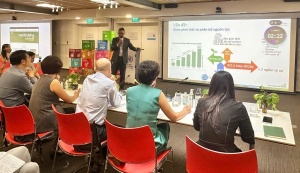
Christian Marcos presented the current market drivers in Vietnam & HID’s latest physical access control solutions at the Tech4Life event

Why was Vietnam selected as one of the first markets for HID’s new biometric innovation?

Vietnam was chosen because of its rapid growth across sectors like transportation, real estate, and manufacturing, where many global brands have set up operations. Our parent company, ASSA ABLOY, already runs two factories here, underscoring the country’s strategic importance.

Vietnam is also emerging as a hub for innovation, with examples like VinFast’s EV taxi service and strong government investment in IT and engineering.

This dynamic environment makes Vietnam an ideal market for HID to introduce trusted identity and secure access solutions while meeting international security standards.

How has HID’s partnership with Vietnam Smart Card Technology JSC helped expand your footprint in Vietnam?

Over the years, HID has cooperated with Vietnam Smart Card Technology to deploy Physical Access Control Systems across multiple sectors, creating a true ‘win-win’ relationship. Global corporations expanding into Vietnam often want to use the same trusted brand as at their headquarters, HID, and continue to choose our solutions for new facilities.

The strength of this partnership comes from combining HID’s global reputation with Vietnam Smart Card Technology’s twenty-plus years of local expertise and strong ties to banks, manufacturers, and the transportation sector. Together, we have built a solid foundation for a long-term, sustainable collaboration.

How do you see the role of biometrics evolving over the next five years, particularly in Vietnam?

Biometrics will become increasingly important over the next five years, especially in Vietnam. Events like Tech4Life highlight how IT, infrastructure, and access control are becoming inseparable.

While AI still raises concerns, technology cannot be stopped; we must adapt. Just as cloud computing was once doubted but is now the standard for securing data, AI and biometrics should be seen not as threats but as tools that enhance security and convenience.

Biometrics are already part of daily life, such as unlocking smartphones with facial or fingerprint recognition. With proper policies and strong data protection, the market will increasingly embrace these solutions.

The future of biometrics in Vietnam and the region is therefore very promising, combining advanced technology with growing user readiness to embrace it.

Vietnam ranks 44th in 2025 WIPO Global Innovation Index

The 2025 WIPO Global Innovation Index (GII) ranks 139 economies. Switzerland leads, followed by Sweden, the United States, South Korea, and Singapore, while others are catching up. China entered the top 10 for the first time, and India, Turkey, Vietnam, the Philippines, Indonesia, and Morocco are all rising fast. Vietnam is one of the middle-income economies within the GII top 70 which has climbed fastest in the ranking since 2013.

The Vietnamese government has assigned the Ministry of Science and Technology to be the focal point for monitoring and coordinating the GII. At the same time, ministries and localities also share responsibility for improving this index. As a result, Vietnam has made marked improvements in its GII rankings, jumping from 59th in 2016 to 44th in 2024.

In the innovation input sub-index, Vietnam moved up three spots to 50th from 53rd in 2023. The innovation output sub-index includes five pillars: institutions, human capital and research, infrastructure, market sophistication, and business sophistication.

Vietnam’s innovation output sub-index slipped slightly from 36th in 2024 to 37th this year. This sub-index reflects performance in knowledge and technology outputs, alongside creative outputs.

Vietnam ranks second in the lower middle-income group, trailing behind India (38th). Other countries ranked above Vietnam in the GII 2025 are mainly high-income, developed economies with a high ratio of research and development spending relative to their GDP, including China (10th), Malaysia (34th), and Turkey (43rd).

ASEAN is gaining ground in the global innovation landscape. Led by Singapore (5th), strong performers also include Malaysia (34th), Vietnam (44th), Thailand (45th), and the Philippines (50th). What is more, Vietnam and Indonesia (55th) continue to rank among the GII’s innovation overperformers, for the 15th and 4th consecutive years, respectively.

THACO unveils latest innovations at national showcase THACO unveils latest innovations at national showcase

THACO is showcasing its latest industrial and technological innovations at the National Achievements Exhibition in Hanoi, held to mark 80 years of independence and national progress.

Socioeconomic development intertwined with three pillars Socioeconomic development intertwined with three pillars

The three pillars of science and technology, innovation, and digital transformation are considered the central driving forces that contribute to creating sociometric development gains.

Vietnam-Australia Forum highlights drive for public sector innovation Vietnam-Australia Forum highlights drive for public sector innovation

The third Vietnam-Australia Forum was held in Hanoi on September 11 during the official visit of Governor-General Sam Mostyn AC of Australia.

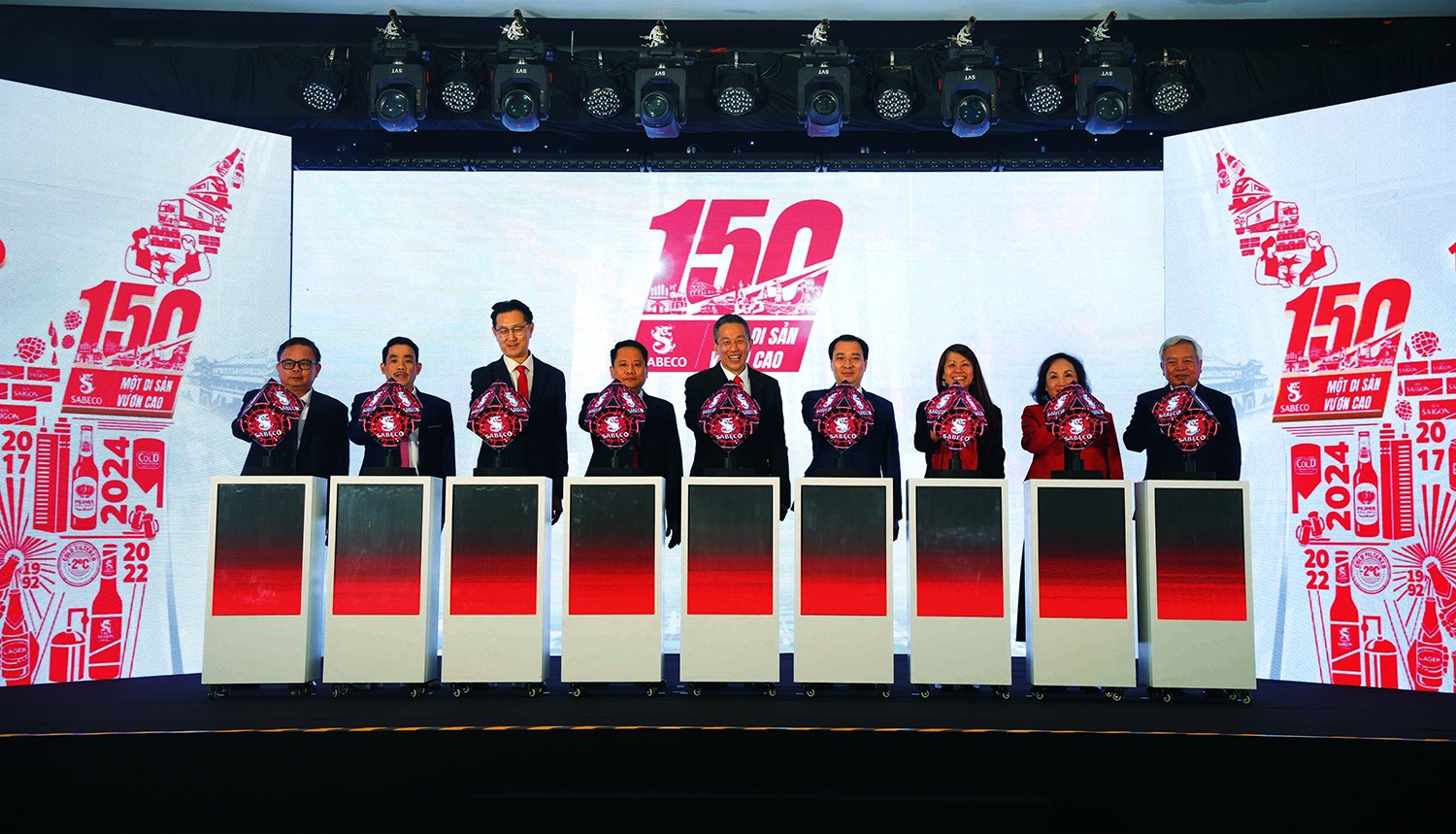
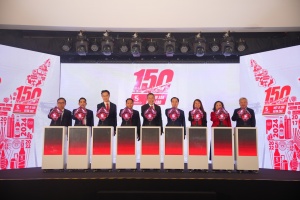
On September 10, the company launched its “150 Years of a Living Legacy Ever Growing, Ever Reaching” campaign in Ho Chi Minh City. The initiative reflects the company’s determination to tie corporate development to national progress.

SABECO celebrates 150 years with new meaningful strategy

At the heart of the campaign is Legacy On The Move, a mobile exhibition housed in a specially designed bus. Over two months, it will travel through provinces and cities, beginning at the historic Bia Saigon brewery in Ho Chi Minh City and ending in Hanoi. Along the way, it will stop in Can Tho, Vinh Long, Vung Tau, Dak Lak, Khanh Hoa, Binh Dinh, and Nghe An, connecting SABECO’s story with communities across the country. The journey symbolises both geographical and generational connection, taking heritage directly to the people who have made SABECO a household name.

The campaign also introduces Legacy Nights, large-scale community events staged in Ho Chi Minh City, Vinh Long, Khanh Hoa, Dak Lak, and Hanoi. Combining cultural performance, interactive installations, and brand experiences, these events are designed to extend the anniversary beyond ceremonial speeches into spaces where people can celebrate, learn, and engage.

Just two days after the campaign launch, SABECO staged the first Legacy Night in Ho Chi Minh City. Thousands of participants attended the event, which transformed the venue into a vibrant showcase of history, innovation, and community.

SABECO celebrates 150 years with new meaningful strategy

The design of the event was ambitious: five immersive zones with each telling a chapter of SABECO’s story. The 150 Steps From Heritage zone retraced the company’s milestones; the Legacy of Progress zone highlighted its three flagship brands, reintroduced through interactive installations; the Legacy of Stewardship emphasised sustainability with displays of green initiatives; the Legacy of Brewing Excellence honoured brewmasters and international awards; while the Legacy with Communities zone offered games, local cuisine, and live performances by popular artists.

CEO Lester Tan stressed that the events aspire to create meaningful spaces for communities to connect and celebrate, while reinforcing commitment to unity and a thriving future.

“From tradition to transformation, SABECO’s legacy has been built with pioneering spirit, bold innovation, and a deep commitment to giving back to society. The campaign is our tribute to these values, where we express our pride in heritage, while reaffirming our unwavering commitment to Vietnam’s future,” he said.

That vision is underlined by the creation of the Ambassador of National Progress Award, developed with Dai Doan Ket newspaper under the guidance of the Vietnam Fatherland Front. The award will honour 150 unsung heroes across the nation: ordinary citizens whose resilience, unity, and service embody the values SABECO wishes to celebrate.

Vu Van Tien, member of the Presidium of the Vietnam Fatherland Front, said, “This initiative nurtures solidarity and encourages younger generations to carry forward the mission of building a progressive, civilised society enriched with cultural identity. With active participation from businesses and society, it will cultivate compassion, responsibility, and unity.”

By linking its anniversary with civic recognition, SABECO positions itself as a partner in nation-building, intertwining its corporate narrative with Vietnam’s broader aspirations.

The balance of celebration and strategy is deemed crucial for the company. Vietnam’s beer industry remains one of Asia’s fastest-growing, buoyed by demographics and rising incomes. Yet competition has intensified as global brewers target the domestic market. SABECO, with 25 breweries and 11 subsidiaries nationwide, enjoys scale and reach, but heritage alone cannot secure its future.

SABECO celebrates 150 years with new meaningful strategy
SABECO is connecting people young and old through meaningful community activities

The 150-year campaign therefore doubles as a repositioning exercise, asserting SABECO’s identity as both authentically Vietnamese and globally credible.

That duality is reinforced by its sustainability agenda. SABECO has expanded environmental, social, and governance programmes. These include cutting energy and water use, promoting recycling, encouraging active lifestyles, and empowering communities. International recognition has been received through awards at the World Beer Awards and International Beer Cup in 2024, and a place in Fortune’s ranking of the Top 500 companies in Southeast Asia.

In this sense, leaders said the 150-year milestone is both backward-looking and forward-facing. It celebrates brewing heritage while signalling transformation into a modern, purpose-driven enterprise. Heritage provides the emotional foundation, while innovation and sustainability provide the competitive edge.

When a small ice workshop opened in Saigon in 1875, few could have imagined it would evolve into Vietnam’s largest brewer and a national icon. Over the next century and a half, what became SABECO grew alongside the country’s modern history. Its flagship brands Bia

Saigon, 333, and Lac Viet are deemed social symbols, present at weddings, Lunar New Year reunions, football celebrations, and countless gatherings across the nation.

As the campaign travels northward, culminating in Hanoi, it mirrors SABECO’s journey: from colonial-era origins to a modern corporation embedded in national identity, from a domestic brewer to a company aiming for regional influence. The symbolism is clear: SABECO wants to be remembered not just for what it brewed, but for what it contributed to Vietnam’s story.

“The spirit of togetherness defines who we are, fuels our progress, and continues to inspire our vision to thrive for tomorrow – not just as a leading beverage company, but as a brand that embodies the pride and spirit of Vietnam,” Tan explained.

SABECO turns sustainability aspirations into concrete action SABECO turns sustainability aspirations into concrete action

SABECO showcased its environmental, social, and governance (ESG) strategy at the Vietnam Corporate Sustainability Forum 2025 (VCSF 2025) in Hanoi, turning a 150-year legacy into concrete actions for sustainable growth amid global uncertainty.

SABECO among pioneers in sustainable development SABECO among pioneers in sustainable development

Pioneering groups such as Saigon Beer-Alcohol-Beverage Corporation, known as SABECO, are proving that sustainability can deliver both resilience and market leadership in Vietnam.

SABECO reaffirms commitment to brewing excellence on 150th anniversary SABECO reaffirms commitment to brewing excellence on 150th anniversary

SABECO celebrated its 150th anniversary on September 10 by launching the “150 Years of a Living Legacy: Ever Growing, Ever Reaching” campaign.

This announcement was made on September 15 in Hanoi as part of the Vietnam Private Sector Economic Forum (VPSF) 2025.

Vietnam to train 10,000 CEOs to boost startup management

At the session, Ha Phan, founder of HR Companion, a startup in the human resources sector, shared her personal journey and the challenges she has faced after two and a half years of entrepreneurship.

Despite having no difficulty attracting clients thanks to her prior experience, Ha Phan revealed that she struggled with enterprise management issues, particularly those related to corporate income tax and VAT.

“For a founder in the early stages, there are just too many burdens on the person leading the company – from finding ways to sustain the business and retaining talent amid competition from larger corporations, to driving growth,” Ha said. “I simply didn’t have time to learn fundamental management skills.”

“I wish that at the very beginning, there was a unit in place to support us with tax, management, and finance-related issues,” she expressed.

Responding to her concern, one shared by thousands of young businesses across Vietnam, Bui Thu Thuy, deputy director general of the Department of Private Enterprise and Collective Economy Development under the Ministry of Finance (MoF), noted that Resolution No. 68-NQ/TW on private sector development clearly stipulates that newly established enterprises will be eligible for free training courses.

Thuy said that the department is working to ensure that every newly registered business receives a free voucher to access essential training on enterprise management.

“The specifics of this initiative will be outlined in Resolution No.138/NQ-CP of 2025, which sets forth the government’s action plan to implement Resolution 68,” she said.

According to Thuy, the 10,000 CEO Training Programme is a top priority under direct government instruction. The Department is currently coordinated with both international and domestic universities to be able to realise the goal of providing learning vouchers to selected CEOs.

In her words, the curriculum will comprise of 60 per cent practical content, with theory playing only a foundational role. Courses will be available in both online and offline formats, and each CEO can choose a learning track based on their individual needs. The government is considering partially subsidising overseas study for participants in the programme.

The department’s executive representative also called on large and prominent businesses to support the socialisation of the programme and to collaborate with the MoF.

“Our approach is to source from the market, meaning we won’t create new courses ourselves, but will instead adopt existing courses from universities,” she explained.

In addition, the MoF is set to work with relevant stakeholders to establish a standardised framework for enterprise management, tailored to Vietnamese businesses. Based on this framework, universities will either develop new courses or enhance existing ones to meet the defined standards.

“The programme is in its final stages of development and is expected to be submitted to the government this year, with full implementation beginning in 2026,” Thuy said.

As a member of the drafting committee for Resolution 68, Thuy also emphasised that the resolution institutionalises many long-standing issues faced by enterprises. Notably, it introduces the principle of ‘non-criminalisation of economic relations’, a new and progressive concept.

She stressed that Resolution 68 is not merely a policy of the Politburo, but one that has drawn the active participation of various ministries, government agencies, and top-level leaders.

“Following the enforcement of Resolution 138 which guides the implementation of Resolution 68 from May 16, starting next year, several tax incentive policies will come into effect, for instance, newly established enterprises will enjoy a three-year tax exemption,” the MoF representative added.

FPT University and Dream Lab harness AI to cultivate startups FPT University and Dream Lab harness AI to cultivate startups

FPT University and Dream Lab on July 31 signed a MoU to launch a groundbreaking initiative aimed at building Vietnam’s most dynamic startup and entrepreneurial ecosystem for students.

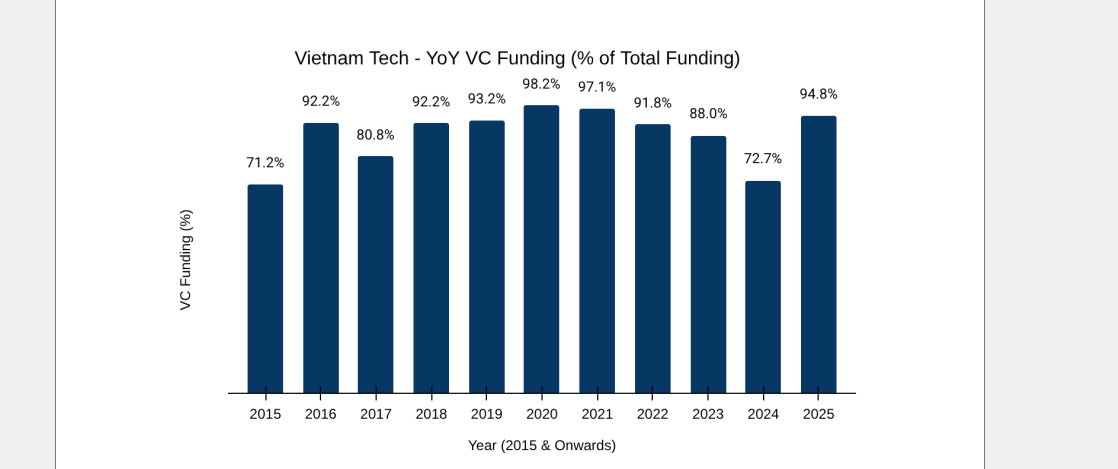
Tracxn report highlights Vietnam's fast-rising startup ecosystem Tracxn report highlights Vietnam’s fast-rising startup ecosystem

Vietnam’s startup ecosystem is emerging as a regional force, backed by rising capital inflows and a growing number of unicorns.

Forest Ecopreneur 2025 wraps up with new pathways for green startups Forest Ecopreneur 2025 wraps up with new pathways for green startups

The Forest Ecopreneur Program has concluded its 2025 cycle, strengthening startups in forest conservation and supporting sustainable livelihoods.

In a recent report submitted to the government, the Ministry of Finance (MoF) noted that the national economic landscape – viewed both from a macro and local perspective – showed encouraging signs.

“All major economic centres reported inspiring results in the first eight months of 2025,” the report emphasised.

Specifically, all 34 localities across the country recorded on-year increases in their Index of Industrial Production (IIP).

Economic growth hinges on regional powerhouses to hit 2025 targets
Ho Chi Minh City places focus on accelerating public investment to promote growth

Accordingly, Phu Tho led with a remarkable surge of 26.2 per cent, followed by Ninh Binh at 22.8 per cent, Hue at 18.7 per cent, Nghe An at 16.4 per cent, and Quang Ninh at 15.6 per cent, to name but a few.

Beyond industrial production, each locality made its own mark on socioeconomic development during August and over the eight-month period.

For instance, Hanoi’s tourism sector staged a strong recovery, with 3.18 million visitors in August alone — up 27.5 per cent year-on-year.

Haiphong stood out with a state budget revenue approximating $5.27 billion, showing nearly 30 per cent jump on-year. Meanwhile, its IIP rose by 14.5 per cent, reaffirming its role as a key growth driver in the Red River delta.

Bac Ninh overtook Ho Chi Minh City to become the country’s top exporter in August, with export value reaching nearly $8.7 billion, up 33 per cent on-year.

Other localities also saw solid performance. Dong Nai attracted over $2 billion in foreign direct investment (FDI) and saw the establishment of 4,971 new businesses.

Phu Tho, in addition to leading in IIP growth, also recorded strong FDI inflows with 39 new projects.

Meanwhile, Da Nang remained a major tourism magnet with 12.8 million tourist arrivals over eight months.

An Giang’s industrial production value rose 13.9 per cent, while its tourism sector skyrocketed by 76 per cent; or Lam Dong in the Central Highlands region sustained stable growth, with exports up 64.7 per cent on-year.

The country’s economic locomotive — Ho Chi Minh City — also saw strong momentum.

At a meeting held on September 9 to review the economic and social performance of August and the first eight months, Ho Chi Minh City People’s Committee Chairman Nguyen Van Duoc noted, “The city has effectively executed its dual mandate – ensuring smooth operations under the new two-tier local government model, while simultaneously focusing on economic and social recovery – continuing to play the role as a national growth driver.”

During the eight-month period, Ho Chi Minh City’s IIP rose by nearly 6 per cent on-year. Total retail sales of goods and consumer service revenue grew by 15.6 per cent. The city’s export value touched $61.2 billion, maintaining its top position nationwide and marking a 6.35 per cent increase on-year.

Notably, the MoF highlighted that diverse localities have proactively adjusted their growth scenarios in accordance with Resolution 226/NQ-CP, issued on August 5 by the government.

Many even set targets surpassing those assigned by the central government. For example: Quang Ninh aims for 14 per cent GRDP growth, compared to the assigned 12.5 per cent; Haiphong targets 12.35 per cent growth, higher than the allocated 12.2 per cent; Phu Tho striving for 10.3 per cent growth compared to a 10 per cent government target); or Dong Nai and Danang both aiming for 10 per cent growth, exceeding their respective targets of 8.7 per cent and 9 per cent.

“This demonstrates the strong determination and development potential of localities in contributing to the nation’s overall growth goals,” the MoF Ministry stated in the report.

While the socioeconomic situation remains optimistic, Minister of Finance Nguyen Van Thang offered a candid assessment in the report to the government, “The growth task for 2025 still faces many challenges. Although forecasts suggest Vietnam’s GDP growth could reach a minimum of 8 per cent this year, reaching the 8.3–8.5 per cent target will require significant effort.”

Many growth-promoting measures are being vigorously implemented – with local-level commitment playing a crucial role, particularly from key economic engines and strategic localities.

To achieve its assigned target of 8.5 per cent regional GDP growth in 2025, Ho Chi Minh City has mapped out a scenario projecting 10.22–10.38 per cent growth in Q3, and 10.4 per cent in Q4. The city is also prioritising the acceleration of public investment disbursement, as Chairman Nguyen Van Duoc noted that public investment disbursement in Ho Chi Minh City is still unstable, which could negatively impact the city’s growth rate.

Alongside Ho Chi Minh City, growth momentum is also expected from other dynamic provinces such as Phu Tho, Bac Ninh, and Quang Ninh.

“Phu Tho’s growth target for this year is 10.3 per cent, and the province aims for an average annual growth rate of 11–12 per cent in the 2026–2030 period,” said Tran Duy Dong, Chairman of Phu Tho People’s Committee in a recent talk with VIR.

He added that Phu Tho will focus on key pillars such as attracting investment in high-tech, processing, and manufacturing sectors; accelerating strategic infrastructure projects; developing green and sustainable agriculture; and applying advanced technologies to enhance GRDP growth — thereby contributing to national economic expansion.

“Numerous measures to boost growth are being actively and firmly implemented, with the relentless efforts of localities being a pivotal factor, especially among the country’s economic leaders and high-potential localities,” he noted.

Hung Yen breaks ground on three major projects worth over $720 million Hung Yen breaks ground on three major projects worth over $720 million

In celebration of the 80th anniversary of the August Revolution and National Day, Hung Yen province launched three major development projects on August 19 with a combined investment of approximately $720 million.

Investment in energy - foundation for high and sustainable economic growth Investment in energy – foundation for high and sustainable economic growth

The Vietnam Institute of Economics and World held a forum to discuss energy development and economic growth in Hanoi on August 21.

Vietnam marks date with project bonanza Vietnam marks date with project bonanza

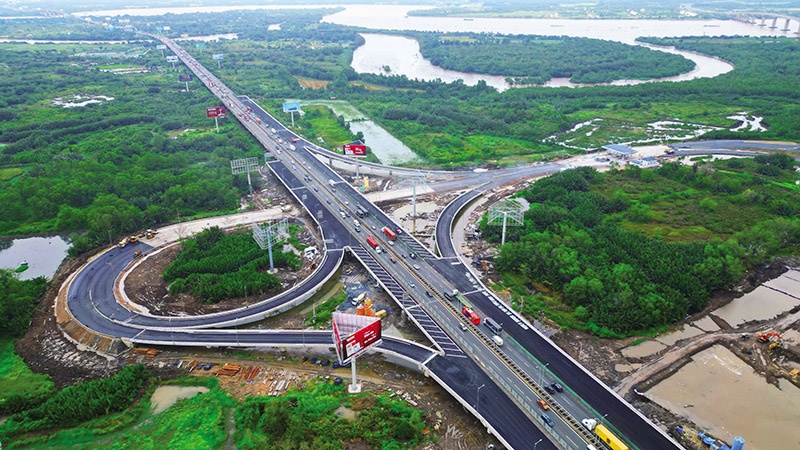
Construction of hundreds of projects, both state and privately funded, is hoped to be a major propellant for national economic growth this year.

Finding a homegrown growth driver for Vietnam

On September 16, the University of Economics and Business under Vietnam National University, Hanoi (VNU-UEB), in collaboration with the Vietnam Institute of Economics and World Institute under Vietnam Academy of Social Sciences, held the 2025 Economic Forum.

Nguyen Duc Hien, Deputy Head of the Party Central Committee’s Policy and Strategy Department, said that Vietnam is entering a historically significant phase of development. The Party and the state have set an ambitious goal of achieving double-digit economic growth during 2026-2030, viewing this not only as a strategic aspiration but also as a measure of the nation’s resilience, vision, and macroeconomic management capacity.

“However, to realise such ambitious goals, we cannot continue to rely on traditional growth drivers such as resource exploitation, cheap labour, or capital expansion. Vietnam must forge modern, sustainable drivers suited to the digital and green eras, while fully utilising opportunities from international economic integration to achieve breakthroughs,” he said.

Key drivers highlighted include: developing a modern institutional framework and a transparent, fair environment to unlock all societal resources; advancing science, technology, innovation, and digital transformation as primary drivers of productivity and competitiveness; and focusing on highly qualified people, particularly in high-tech, digital economy, green economy, and global governance sectors.

“At the same time, we must enhance the role of the domestic private sector, improve foreign investment attraction efficiency in connection with technology transfer, and foster a sustainable production-innovation ecosystem. Above all, economic growth must be linked with green development, environmental protection, social equity, and improve quality of life for the people,” Hien underlined.

Le Trung Thanh, rector of VNU-UEB, reaffirmed that Vietnam urgently needs to build modern and sustainable growth drivers based on transparent institutions, innovation, digital transformation, and green development, while seizing opportunities from global integration.

“We are living in an era where economic rules, power structures, and global value chains are being rewritten. The post-pandemic world, along with geopolitical conflicts, technological divides, and climate change pressures, has forced both developed and developing economies to reexamine their development paths,” he said.

He added that these growth drivers are essential, including efficient and dynamic institutions; a workforce capable of lifelong learning and mastering new knowledge; innovation and digital technologies as indispensable components of competitiveness; a green and environmentally sustainable economy; and the system’s ability to learn, adapt, and cooperate.

Finding a homegrown growth driver for Vietnam

Tran Van Tho, professor emeritus at Waseda University in Japan, noted that over the past 35 years, Vietnam’s average growth rate was 6.5 per cent. “Vietnam has not yet experienced a period of sustained double-digit growth (10 per cent annually for over 10 years) like Japan, South Korea, or China,” he said.

Regarding solutions for Vietnam’s economic growth, Tho proposed policies such as creating mechanisms for large enterprises to work with the state in shaping a long-term economic vision; encouraging tech transfer and management know-how through links with small- and medium-sized enterprises; expanding production and export scale in existing industries or developing new ones; and promoting policies to develop supporting industries.

“With the current determination to reform institutions and the policy proposals discussed, I believe Vietnam can achieve a higher growth rate in the coming period,” the professor stated. To this end, he emphasised full employment, universal free primary and secondary education, and proper investment in healthcare services.

“It is necessary to establish pension and unemployment insurance systems so that every citizen feels secure about their future,” he added.

At the open discussion session, representatives from regulatory agencies, international organisations like the World Bank, the International Monetary Fund, and scholars engaged in lively exchanges on growth drivers and major solutions such as institutional frameworks, sci-tech development, and training people in high technology, the digital economy, the green economy, and international governance.

MoIT is confident in hitting trade growth targets for 2025 MoIT is confident in hitting trade growth targets for 2025

The Ministry of Industry and Trade has expressed confidence that Vietnam can achieve its full-year export–import growth target of 12 per cent, citing robust results in the first seven months as a strong foundation.

World Bank forecasts Vietnam's GDP growth to reach 6.6 per cent in 2025 World Bank forecasts Vietnam’s GDP growth to reach 6.6 per cent in 2025

Vietnam’s GDP growth is forecast to reach 6.6 per cent in 2025, according to the latest report by the World Bank.

IMF projects Vietnam's economic growth to ease to 6.5 per cent in 2025 IMF projects Vietnam’s economic growth to ease to 6.5 per cent in 2025

Vietnam’s economic growth is predicted to slow to 6.5 per cent in 2025 due to the impact of US tariffs, according to the International Monetary Fund (IMF).

On September 10, a delegation of 30 South Korean startups in AI, edtech, fintech, gaming, and healthcare arrived in Hanoi. Their visit was part of the Vietnam Immersion Week Roadshow 2025, co-organised by South Korea’s Ministry of Small- and Medium-sized Enterprises and Startups, and Vietnam’s National Innovation Centre (NIC).

At the exhibition, nearly 200 direct business-matching sessions took place between South Korean startups and Vietnamese experts and potential partners. Several companies identified promising local collaborators and are aiming to launch their products in the market within the next 3-6 months.

Young-rock Kim, director of Next Challenge, sees Vietnam as having a vibrant and fast-growing startup ecosystem. “Combining South Korea’s advanced technologies and entrepreneurial spirit with Vietnam’s innovation-driven energy will support each other, and lay the foundation for long-term, strategic partnerships among startups of the two countries,” he said.

From the domestic perspective, NIC’s deputy director Do Tien Thinh stated that Vietnam is entering a golden phase for local startups as well as those from overseas.

“Numerous favourable policies are in place to support innovation and scientific advancement, meaning both local and international startups benefit when operating in Vietnam,” Thinh said.

Some current support and incentive policies for innovation and sci-tech development in Vietnam include corporate income tax exemptions; land lease exemptions or reductions in high-tech zones and economic areas; preferential policies for innovation centres and startup support organisations; personal income tax incentives; and various incentives for startups and small businesses.

Nguyen Huong Quynh, CEO of BambuUP, which frequently publishes reports on the open innovation landscape in Vietnam, noted that South Korean startups in particular should seize this moment to enter the Vietnamese market.

“However, only those that make serious investments, understand the market, and effectively leverage the local ecosystem will succeed,” she said.

This influx of international engagement also offers valuable opportunities for Vietnamese startups to collaborate globally. Laura Nguyen, partner at GenAI Fund, noted Vietnam’s strong potential for co-developing and scaling high-tech solutions.

“Over the next few years, I expect Vietnam’s enterprise AI market to grow at a double-digit compound annual growth rate,” she said.

Nguyen highlighted some key advantages in attracting investment into deep tech and AI, such as cost-efficiency, an eager-to-learn workforce, and competitive cost-per-value ratios. Many companies headquartered in Singapore are also hiring engineering teams based in Vietnam.

“To go deeper into the global value chain, tech startups in Vietnam must be flexible and adaptive, staying aligned with rapid tech evolution; address holistic problems; measure business impact; and leverage go-to-market via partnerships to shorten sales cycles,” she added.

Nguyen also raised some recommendations for the government to further support startup, including sandbox policies and pilot frameworks for key sectors like finance, healthcare, education, and logistics; shared infrastructure like green computing and Vietnamese-language data repositories; and alignment with international AI ethics and safety standards to ease startup expansion.

“Innovation-driven public procurement will help create demand pull for emerging technologies,” she said. “When the government both paves the way and buys to test, the market can scale much faster.”

According to the Ministry of Science and Technology, Vietnam currently has around 4,000 startups, with many valued at over $100 million. The startup ecosystem is supported by over 200 venture funds, more than 80 incubators, 40 accelerators, and over 20 business support centres.

The Global Startup Ecosystem Index 2025 shows that Vietnam has climbed one rank to 55th globally, maintaining fifth position in Southeast Asia and marking the third consecutive year of progress.

Jeff Johnson, managing director of AWS ASEAN

How have countries such as Vietnam been benefiting from Amazon’s investment, and how are they shaping the future of digital capabilities across ASEAN?

ASEAN is one of the most vibrant, fast-growing digital markets in the world, and the opportunity is extraordinary. We’re looking at a region with 61 per cent of its population that’s 383 million people under the age of 35.

Add to this the fact that ASEAN is the world’s fastest-growing internet market, with 125,000 new users coming online every single day. The digital economy here is projected to add an estimated $1 trillion to regional GDP over the next decade.

That young, tech-savvy population and booming digital economy translates into huge demand for cloud services. We’ve seen governments and businesses alike embracing a cloud-first mindset, from Singapore’s Smart Nation initiatives to Thailand’s ambitious digital transformation plans.

For AWS, it’s strategic not just in terms of market opportunity but also innovation, with some of the coolest new digital services and startups coming out of ASEAN. We want to empower all of that. That’s why you see us putting infrastructure in place, training more than 1.8 million people across ASEAN in cloud skills since 2017, highlighting local customer successes, and working hand-in-hand with regulators.

On our infrastructure investment, we now have four regions in Southeast Asia: Singapore, Indonesia, Malaysia, and Thailand. Each represents a significant investment: S$12 billion ($9.34 billion) additional investment in Singapore by 2028, over $6 billion in Malaysia by 2038, and more than $5 billion each in Thailand and Indonesia.

This infrastructure is crucial because it brings AI capabilities closer to our customers, reducing latency and enabling local data residency. Our investments are also creating jobs and contributing to the countries’ gross domestic products.

But what’s most exciting is how organisations are already leveraging this foundation to transform their businesses. Vietnam International Bank (VIB) is one such organisation, leveraging AWS to power its generative AI assistant, ViePro, built on Amazon Bedrock for their customer engagement platform. VIB further enhanced transparency and monitoring by using Amazon SageMaker for continuous model tuning to ensure that outputs adhere to compliance and ethical standards.

How does the company ensure that AI development in the region aligns with global best practices for responsible AI, which could include data privacy, ethics, and governance?

As AI adoption accelerates throughout ASEAN, responsible development has become paramount. AWS’s approach combines a robust technical framework with ethical governance, ensuring organisations can innovate confidently while maintaining the highest standards of responsibility and trust.

Our vision for responsible AI is brought to life through real customer transformations. Take Ascend Money, a leader in financial inclusion across Southeast Asia. By leveraging AWS’s GenAI capabilities, they’ve revolutionised nano-loan approvals from days to seconds, while maintaining strict security standards. Their success demonstrates how responsible AI can democratise financial services while protecting customer interests.

Local innovators like Arcanic AI exemplify how culturally aware AI solutions can be developed responsibly. Their use of Amazon SageMaker demonstrates that ethical AI development and cultural sensitivity can go hand in hand, creating solutions that truly resonate with local markets while adhering to global best practices.

These success stories are underpinned by AWS’s comprehensive security framework and specialised tools like Amazon Bedrock Guardrails and Amazon SageMaker Clarify, which address critical concerns around bias, transparency, and data protection. This enables organisations to push the boundaries of innovation while maintaining the highest standards of responsible AI development.

Can you highlight some successful AI-powered solutions or projects in Southeast Asia that have been built on AWS?

Across ASEAN, we are enabling transformative AI innovation across diverse sectors. From agile startups to established banks and tech companies, organisations are leveraging our platforms to accelerate growth, experiment with new technologies, and revolutionise their customer experiences.

Take Grab as an example. If you live in Southeast Asia, you have probably used Grab for rides, food delivery, or payments. What’s impressive is how they’ve scaled to serve more than 30 million monthly users across multiple countries and even launched new digital banks in just over a year. AWS is the platform behind the scenes making sure it all runs smoothly every single day. Their GenAI solutions run on Amazon Bedrock and help power critical production services while ensuring guardrails are in place.

Businesses in Vietnam are also increasingly adopting AWS’s cutting-edge GenAI capabilities, joining the wave of technological advancement sweeping across Southeast Asia. In the digital international banking space for example, TymeX uses Amazon Q Developer, our GenAI coding assistant, to boost their developers’ coding efficiency by over 40 per cent for, improve testing workflows by a staggering 90 per cent, and reducing testing time from five hours to just 30 minutes.

AI Hay stands out as another innovative example. Its community-driven search platform has captured widespread adoption with 15 million downloads, handling over 100 million monthly queries. Powered by AWS’s specialised AI chips and services, AI Hay delivers remarkable results: 80 per cent user satisfaction for Vietnamese language queries and 85 per cent interest match rates.

This demonstrates how AWS’s AI solutions can effectively serve millions of Vietnamese users while maintaining high performance and cost efficiency.

What industries in Vietnam do you see as early adopters or high-impact beneficiaries of your AI services?

In Vietnam, industry reports show rapid growth of Vietnam’s digital banking sector. Revenue from digital financial services is expected to reach nearly $3.8 billion by the end of 2025, with mobile transactions projected to grow by as much as 400 per cent in the same period.

The wider Vietnamese financial services industry is at the forefront of adopting AI services on AWS, leveraging GenAI and machine learning to drive efficiency, enhance customer engagement, and innovate faster.

Techcombank is another great example of digital banking transformation powered by AWS. Its journey showcases the perfect blend of technological innovation and human capital development. They saw great success utilising Amazon Q Developer to generate over 135,000 lines of secure, high-quality code, and went from a pilot of 50 developers to deploying it across their workforce of over 600 developers.

Using GenAI has allowed it to make resource provisioning 90 per cent faster, reduced monthly application costs by 30 per cent, and better serve its 15.4 million customers with enhanced digital banking services.

Empowering ASEAN via generative AI
AWS has demonstrated how AI solutions can effectively serve millions of Vietnamese people

How is AWS helping the region build a skilled AI workforce, and how does it approach inclusivity and accessibility in AI education across rural and urban areas?

AWS stands ready as a strategic enabler of Vietnam’s digital transformation through three key pillars. Firstly, we ensure Vietnamese organisations have reliable access to cloud services through local infrastructure, including AWS OutPosts, Edge locations, and a planned Local Zone, to ensure high-performance cloud services nationwide.

Secondly, we’re democratising access to transformative technologies. Since our inception, AWS has reduced prices over 150 times while expanding our portfolio to include cutting-edge GenAI solutions. By offering access to premier large language models like Anthropic Claude, Meta’s Llama, and Amazon Nova, we’re ensuring Vietnamese organisations can compete on the global stage regardless of their size.

Thirdly, AWS is committed to building ASEAN’s digital future by developing its most crucial asset – its people. Our track record speaks volumes: since 2017, we’ve equipped over 1.8 million individuals across the region with vital cloud skills. We also exceeded our ambitious global of providing free AI skills training to two million people globally by the end of 2025 a year early.

Through educational initiatives like AWS Skills Builder, AWS Educate, and AWS Skills Guild, as well as local community schemes such as our AWS Vietnam Study Group and First Cloud Journey programme, we’re nurturing the next generation of tech talent. This skills transformation is essential for sustaining Vietnam’s digital momentum.

Jollibee Foods Corporation, a food and beverage (F&B) player in the Philippines, announced its second-quarter financial report last week, with noteworthy business results for Highlands Coffee.

Consumers are increasingly being more selective, photo Le Toan

Highlands Coffee’s earnings before interest, taxes, depreciation, and amortisation in the second quarter of 2025 reached more $22.4 million, up 5.8 per cent on the same period in 2024. This means the chain generated an average daily profit of more than $122,000, accounting for about 26 per cent of the group’s coffee and tea segment profits.

The acquisition of South Korean group Paris Baguette in April added colour to the diverse ecosystem of VTI Group, in which Jollibee is a strategic partner, alongside brands like Highlands Coffee, Pho 24, The Coffee Bean & Tea Leaf, Xu Restaurant & Lounge, and Quince Saigon.

Highlands Coffee is currently the largest coffee chain in Vietnam, with around 900 domestic stores and 50 franchise outlets in the Philippines.

In addition to expanding its points of sale, the chain has also invested heavily in production to strengthen its supply chain. In April, Highlands inaugurated a coffee roasting facility in Ho Chi Minh City with a total investment of $21 million, applying modern technology and targeting an annual capacity of 75,000 tonnes.

The brand is also considering the possibility of a public listing in Vietnam within the next 18–24 months.

Another Jollibee Foods brand, the fried chicken chain Jollibee, also maintained impressive growth in Vietnam. Globally, Jollibee’s total system sales increased by 15.4 per cent on-year, with Jollibee Vietnam leading with a 35 per cent increase. The financial report shows that although ranked third in terms of store numbers, the Vietnamese chain came first in terms of market share, revenue, and profit.

In addition, the first-half financial report of 2025 for Super Hi International, operator of the Haidilao hotpot chain, recorded international revenue of $396.7 million, up 7 per cent on-year. Vietnam remains one of the company’s four largest international markets, alongside Singapore, the US, and Malaysia, accounting for over 10 per cent of global revenue. In Vietnam alone, revenue in the first six months reached $43.6 million, up 1.6 per cent on-year.

Explaining the success of foreign F&B chains, Le Vu, managing partner at F&B Academy, emphasised that international brands succeed through three key factors: product quality, people, and environment. These chains focus on building spaces and service experiences that suit local culture, thereby creating long-term connections with customers.

“Consumers from Gen Z onwards are increasingly proactive in choosing products that fit their personal preferences, and the F&B market will naturally eliminate products and brands that do not meet these needs,” Vu said.

Vietnam’s F&B industry is expected to reach more than 331,000 stores by the end of 2025, a 2.6 per cent increase compared to 2024, according to iPOS.vn. Growth comes from both large chains and small retailers.

However, not all chains have seen positive results, with the contraction and withdrawal of once-popular brands. In the first half of 2025, Hot&Cold, one of the earliest milk tea chains, Comebuy from Taiwan, and Russia’s Dodo Pizza all closed their entire systems in Vietnam.

Meanwhile, larger brands such as The Coffee House and Starbucks also adjusted their networks, particularly in prime shopping mall locations. The Coffee House shut 48 stores, reducing its presence from 141 to 93 in the first half of the year.

At the same time, although continuing to open new stores, Starbucks Vietnam has shown innovation in its development strategy.

Starbucks currently operates 126 stores in 17 provinces and cities. Since the beginning of 2025, it has expanded strongly in the Mekong Delta, with opened new stores in My Tho, Long Xuyen, and soon Can Tho, Rach Gia, and Tan An.

A representative of Starbucks Vietnam said, “In addition to competing for prime locations in big cities, Starbucks has made efforts to localise its offerings with drinks familiar to Vietnamese tastes, such as iced milk coffee, salted coffee, and coconut coffee, while also expanding into tier-two localities.”

At the regional level, Source of Asia’s Southeast Asia F&B Industry Report 2024–2025 forecasts that the size of the region’s F&B industry will reach $900 billion by 2028, with food and beverage services alone rising from $192.4 billion in 2024 to $349 billion in 2029.